US Strikes Iranian Launchers Near Hormuz Strait
The US reportedly struck two Iranian missile launchers near the Strait of Hormuz, marking a direct military action amid heightened regional tensions.
Mateo Fernandez ·
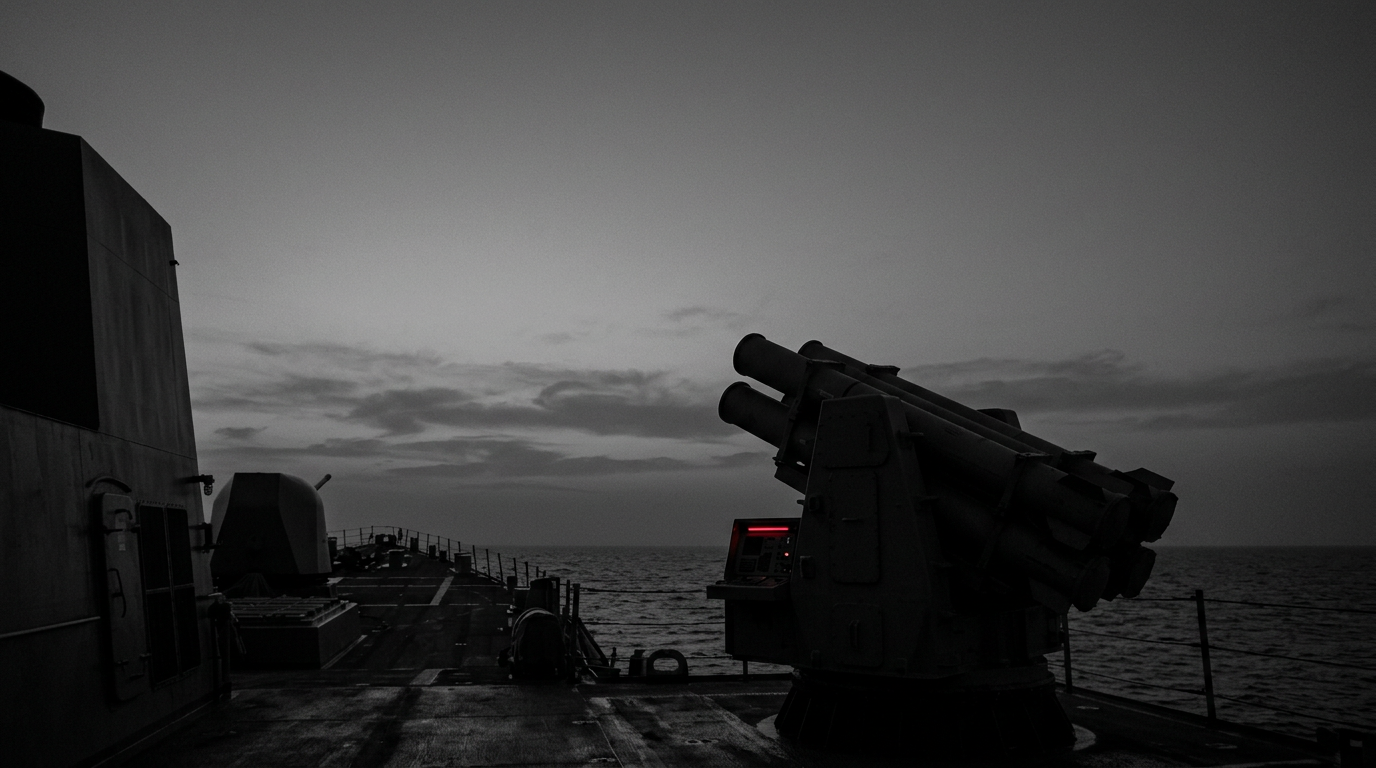
United States forces reportedly engaged and struck two Iranian missile launchers near the Strait of Hormuz, according to an individual familiar with the incident. This action, which occurred recently, marks the first reported US military strike against Iran in several weeks. The incident introduces a direct military dimension to the ongoing geopolitical tensions surrounding the vital energy shipping lane.
The Strait of Hormuz is a critical chokepoint for global oil transit, making any military action in its vicinity a significant concern for international markets. While there was no immediate market reaction, the primary geopolitical risk stemming from this event is the potential for escalation, either through an Iranian response or further US military involvement in the region.
Incident Details and Ambiguity
The reported engagement was first disclosed by a person familiar with the situation. However, official operational details regarding the exact location of the launchers, the types of weapons used by US forces, or whether there were any casualties remain undisclosed. These ambiguities are crucial, as they will likely influence how Tehran, Washington, and other regional governments frame and react to the incident.
The potential for these unspecified details to shape diplomatic and military responses highlights the delicate nature of the situation. Without clear information, interpretations of the event could vary widely, impacting the containment or escalation of tensions in the Persian Gulf.
Market and Strategic Implications
For global markets, the immediate focus is on the potential impact on energy transport through the Strait of Hormuz. Should shipping operations continue without disruption, the broader economic effect is expected to remain primarily within risk premium pricing. However, any delays or threats to maritime traffic could lead to increased oil-linked inflation and a surge in demand for safe-haven assets.
From a military perspective, the immediate consequence for US defense assets in the Gulf is an increased operational burden. For the wider defense and shipping sectors, a sustained exchange would bring heightened attention to air defense capabilities, surveillance operations, escort requirements for commercial vessels, and war-risk insurance premiums. Public statements from the US, Iran, or Gulf governments, anticipated by August 31, 2026, will serve as the next indicator of whether this incident remains isolated or triggers a broader confrontation.