Zaporizhzhia Nuclear Plant Faces Prolonged Power Blackout
Ukraine's Zaporizhzhia nuclear plant has been without external power for over a week, relying on diesel with limited fuel reserves, raising safety concerns.
Lauren Collins ·
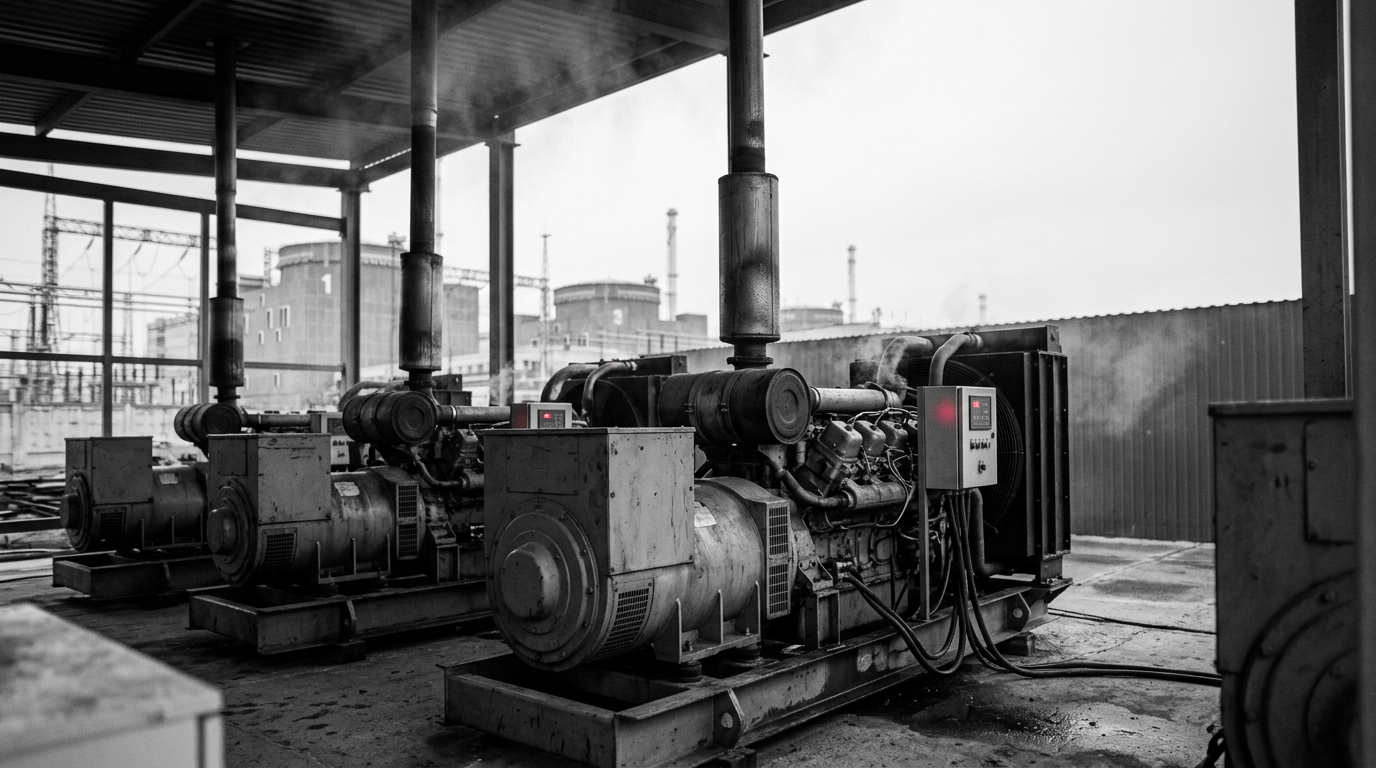
The Zaporizhzhia nuclear power plant in southeastern Ukraine has been operating for more than a week without external electricity, forcing it to depend on emergency diesel generators. This critical status was confirmed by the International Atomic Energy Agency (IAEA) on Saturday, noting that the facility holds only a 10-day fuel supply for these generators, which are crucial for cooling its six non-operational reactors.
This extended loss of off-site power marks the 27th incident of its kind since Russian forces took control of the plant in 2022. Urgent repairs to the damaged electrical infrastructure are essential to re-establish grid connectivity. Although the plant ceased generating electricity in September 2022, maintaining continuous cooling for its reactors remains vital to prevent potential fuel meltdowns and ensure overall safety.
Escalating Operational Risks
Operational risks at the Zaporizhzhia facility have significantly increased due to persistent military activities in the surrounding area. The IAEA recently reported three separate drone incidents near the plant within the last week, resulting in injuries to two employees. While a limited quantity of diesel fuel was delivered on Thursday and Friday, the ongoing lack of dependable off-site supply chains continues to threaten the long-term viability of the station's safety protocols.
Prior to these recent deliveries, the nuclear plant had not received any off-site fuel for approximately six months, highlighting the precariousness of the situation. IAEA Director General Rafael Grossi emphasized the critical importance of sufficient diesel fuel availability whenever a nuclear power plant loses its connection to external power sources.
International Safety Negotiations
The IAEA is actively engaged in diplomatic discussions aimed at establishing a localized ceasefire around the plant. Such an agreement would allow technical teams safe access to repair the damaged infrastructure, thereby restoring reliable grid power. The plant, situated on the banks of the Dnipro River, is located near a primary front line, with both parties frequently accusing each other of targeting the site.
The repeated disruptions to external power underscore the inherent dangers of operating a nuclear facility in an active conflict zone. Maintaining the integrity of the cooling systems is paramount to preventing a catastrophic event. International observers continue to monitor the situation closely, advocating for a demilitarized zone and a stable external power supply to safeguard the plant and the wider region.
Historical Context of the Plant's Vulnerability
The Zaporizhzhia Nuclear Power Plant, Europe's largest, has been a focal point of concern since the full-scale invasion began in February 2022. Its capture by Russian forces early in the conflict raised unprecedented challenges for nuclear safety, as no large-scale nuclear facility has ever operated under such conditions. The IAEA has consistently called for a protection zone around the plant to prevent a nuclear accident, emphasizing the need for both parties to de-escalate military actions in the vicinity.
Previous incidents, including shelling damage to power lines and infrastructure, have repeatedly jeopardized the plant's connection to grid, forcing it onto emergency power. These events have highlighted the fragility of the safety systems when external power is unstable, making the availability of diesel fuel and operational generators absolutely essential for preventing a major nuclear incident.