Philippines Pursues Coal Blending Facility Amid Energy Security Drive
Meralco PowerGen Corp. plans to develop the Philippines' first coal blending terminal, boosting energy security and diversifying fuel sourcing.
Mei Lin ·
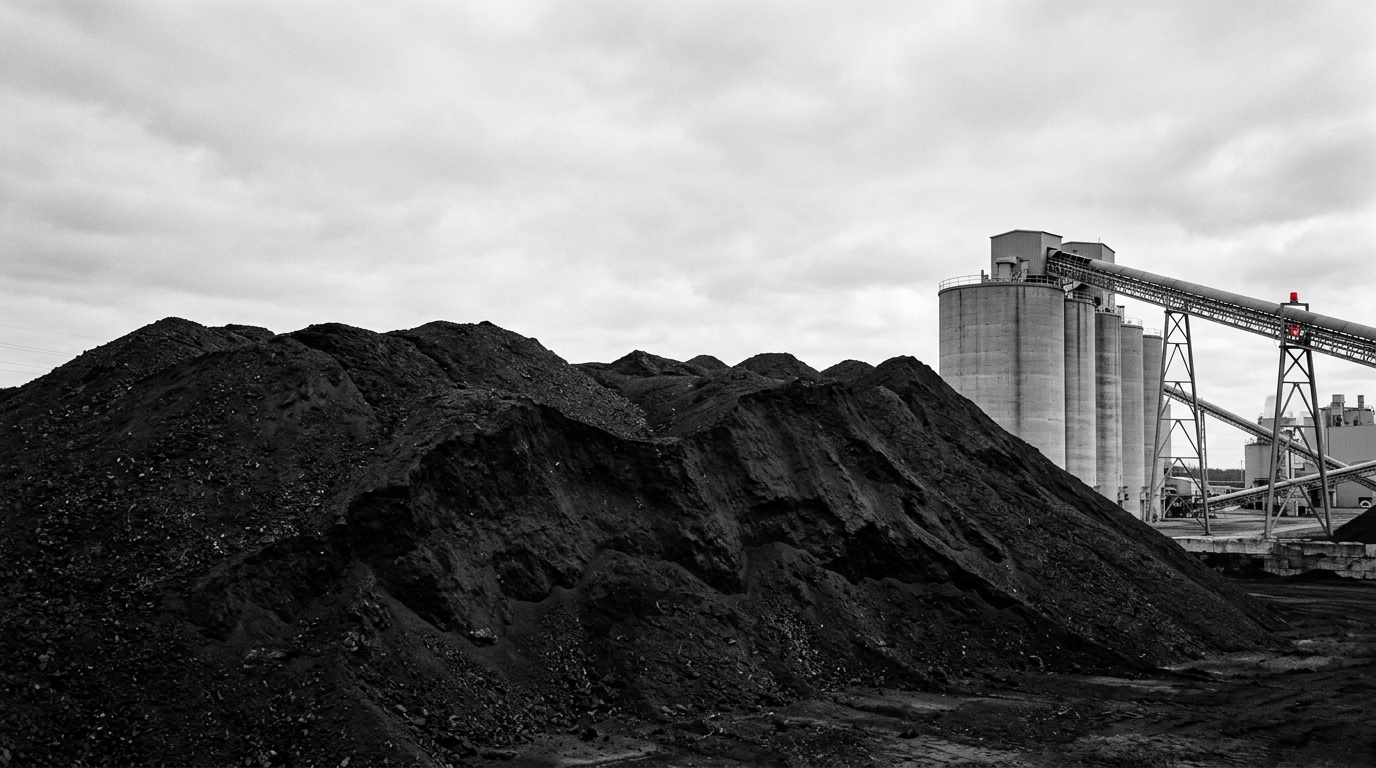
Meralco PowerGen Corp. (MGEN) has signaled interest in establishing the Philippines' inaugural coal blending terminal, according to Energy Secretary Sharon Garin. The move indicates a direct government effort to secure and diversify the nation's energy supply as demand rises.
MGEN, the primary power generation arm of tycoon Manuel V. Pangilinan's business empire, acknowledged the government's proposal, with its leadership confirming it is an area of interest. This comes as the Philippines navigates increasing power needs while balancing economic growth with energy transition objectives.
Philippines' Energy Mix and Climate Commitments Meralco PowerGen Corp The Philippines currently relies on coal for approximately 42% of its electricity generation, making it a critical component of the national energy mix. This dependency has positioned coal as the backbone of the grid, providing a stable and relatively affordable power source for the archipelago's rapidly expanding economy and population of over 117 million people. A coal blending terminal would allow the country to import various grades of coal from different international sources, then mix them to achieve optimal fuel specifications and cost efficiencies. This flexibility aims to reduce reliance on single-origin imports and stabilize fuel prices for power plants, directly impacting consumer electricity costs. Regional Energy Security Concerns Intensify The pursuit of a coal blending terminal by the Philippines highlights a broader regional trend in Southeast Asia, where nations are increasingly prioritizing energy security alongside economic expansion. Countries within the Association of Southeast Asian Nations (ASEAN), such as Vietnam and Indonesia, continue to invest in fossil fuel infrastructure to meet surging energy demand, even as they participate in global climate initiatives.
While the Philippines is a signatory to the While the Philippines is a signatory to the Paris Agreement and has committed to reducing its greenhouse gas emissions by 75% by 2030 relative to a business-as-usual scenario, the short-to-medium term energy strategy often involves leveraging existing coal capacity and optimizing its use. This dual approach reflects the complex challenges developing economies face in balancing climate goals with immediate energy needs and economic stability.
Broader Economic and Geopolitical Implications
The development of a major coal blending facility in the Philippines could shift regional trade dynamics for thermal coal. By becoming a more sophisticated and flexible buyer, the Philippines might influence pricing and supply chains across Asia, reducing its vulnerability to geopolitical disruptions in specific coal-exporting regions. This strategic infrastructure also positions the country to potentially re-export blended coal, although domestic consumption is the primary driver.
For large conglomerates like MGEN's parent company, this project represents a significant infrastructure investment opportunity, reinforcing their pivotal role in national development. Their participation in such strategic energy projects often intertwines corporate growth with public policy objectives, influencing future energy transition pathways across the region.
Outlook on Energy Infrastructure Decisions
The main open question is whether MGEN or other significant energy players will formally submit bids for the coal blending terminal project. If major players express strong interest and the government moves quickly to establish timelines, it will indicate a robust commitment to expanded coal infrastructure as a cornerstone of energy security. Conversely, if the project encounters substantial public or environmental opposition, or if corporate interest wanes, it would signal a potential re-evaluation of the balance between economic drivers and sustainability pressures. The government's actions regarding specific project timelines will be key.