Russia Escalates Ukraine Strikes, Boosts Fuel Imports
Russia intensified strikes on Ukrainian infrastructure, including a power plant in Kherson.
Lauren Collins ·
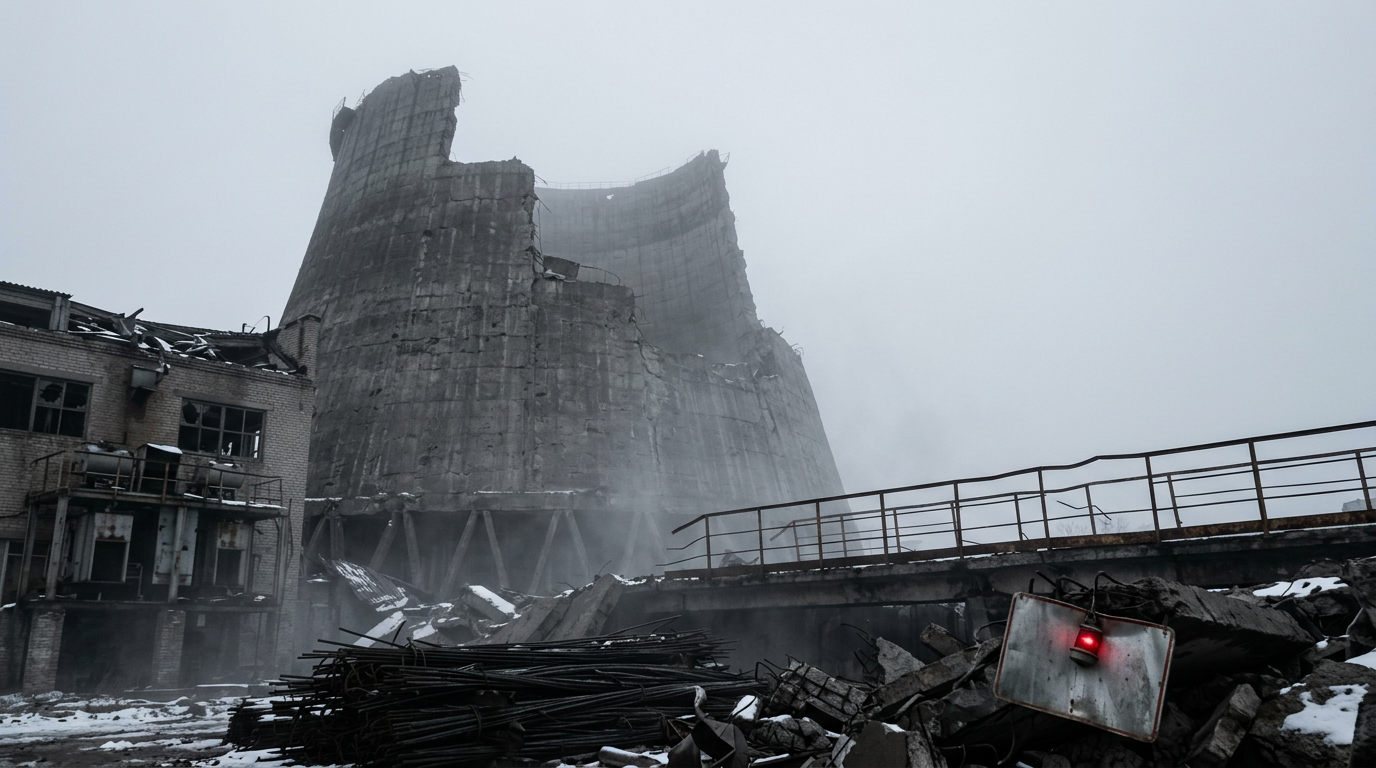
Russian forces recently conducted extensive aerial assaults against Ukraine, deploying ballistic missiles and 258 drones. These attacks specifically targeted critical energy, industrial, and logistics infrastructure across the country. One significant outcome was the complete destruction of the generating capacity at a thermal power plant located in Kherson.
Following these concentrated strikes, Ukrainian authorities indicated that civilian evacuations might become necessary. This assessment stems from projections of prolonged disruptions to essential heating and electricity services in the areas most affected by the recent bombardments.
Regional Security Concerns Mount
Regional security concerns significantly heightened after reports emerged detailing an incursion into Moldovan airspace by six Russian drones. Officials confirmed that one of these unmanned aerial vehicles ultimately landed within Moldovan territory, marking a direct violation of its sovereign air space.
The Moldovan government formally condemned this incident, underscoring the potential for the conflict in Ukraine to expand into neighboring states. This event has generated considerable international alarm regarding regional stability.
Russia Addresses Domestic Fuel Shortages
Simultaneously, Russia is grappling with considerable domestic fuel supply limitations. These shortages are a direct consequence of persistent Ukrainian attacks specifically targeting Russia's oil refining capabilities. To alleviate these internal pressures, Moscow has increasingly turned to importing refined fuel products.
Countries such as Kazakhstan, Belarus, Turkey, and India have become key suppliers in this altered energy security strategy. This shift indicates a notable change for Russia, traditionally a major energy exporter, as it moves towards becoming a dependent importer for certain refined petroleum products.
In response to the disruptions affecting its refining sector, Russia recently finalized an agreement with the Kondensat oil refinery situated in western Kazakhstan. This deal outlines that the Kazakh facility will process Russian crude oil, with 70% of the resulting refined fuel being returned to Russia. This strategic measure follows a challenging summer during which Russia, despite being one of the world's largest crude oil producers, faced difficulties in securing gasoline to offset significant reductions in its own refining capacity.
Surge in Fuel Imports and EU Asset Discussions
Data indicates a dramatic increase in Russia's fuel imports. Shipments from Belarus in June escalated by a factor of 141 compared to the previous year, while India supplied approximately 1 million barrels of fuel. This trend underscores the severity of Russia's domestic supply issues.
Meanwhile, several European Union member states, including the Netherlands, Poland, Spain, and Sweden, are renewing discussions concerning the utilization of frozen Russian central bank assets. The aim is to channel these funds towards supporting Ukraine's extensive reconstruction efforts. Earlier attempts to repurpose these assets encountered legal obstacles, primarily related to jurisdictional challenges. These nations are now urging the EU executive to re-evaluate the matter, seeking mechanisms to overcome previous hurdles and unlock these substantial assets for Ukraine's benefit.