Iceland EU Vote Threatens Commercial Whaling Industry
Iceland's upcoming August 29 vote on EU negotiations could end commercial whaling, requiring adherence to the Habitats Directive.
Lauren Collins ·
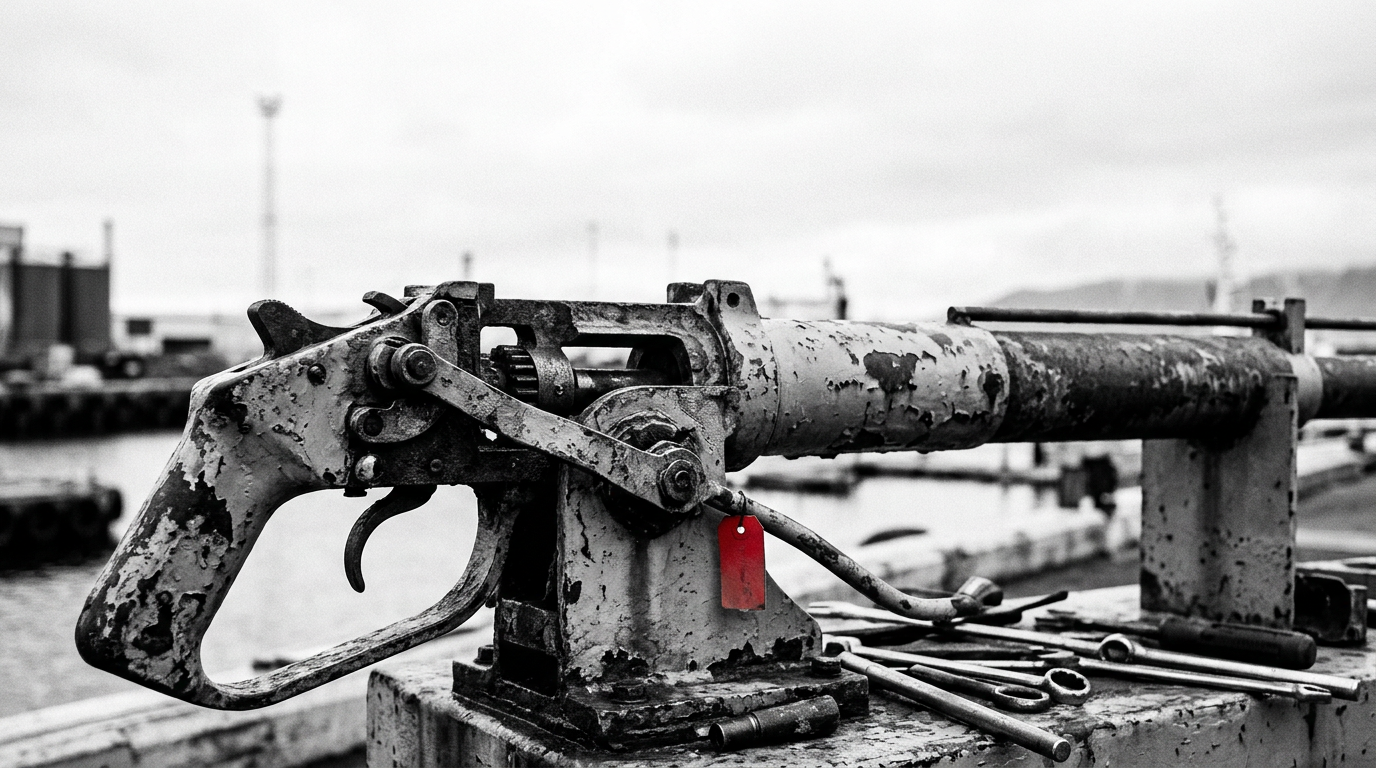
Iceland is preparing for a nationwide vote on August 29 to decide whether to restart negotiations for European Union membership. A favorable result from this public consultation would initiate the formal process toward joining the bloc, a development that carries significant ramifications for the nation's commercial whaling sector.
Should Iceland proceed with EU accession, it would be obliged to adopt the Habitats Directive of the European Union. This directive explicitly forbids the capture or killing of all cetaceans, which would effectively lead to the termination of Iceland's commercial whaling activities. Currently, this industry is sustained by a single private entity, Hvalur hf.
Financial Pressures on Whaling Operations
Iceland's commercial whaling industry has encountered considerable economic difficulties in recent years. Financial reports indicate that Hvalur hf. recorded cumulative losses of approximately 3 billion Icelandic krona between 2011 and 2021. Amid declining profitability and hurdles in accessing markets, the operator has reportedly explored alternative product development, including the production of iron supplements derived from whale meat.
Despite these financial struggles, the sector continues its operations under an annual quota allowing for 150 fin whales. Local marine research authorities have deemed this number sustainable. However, commercial whaling remains a contentious issue, both domestically and internationally, sparking debates about environmental protection versus traditional practices.
EU Membership and Maritime Policy
Becoming a member of the European Union would require Iceland to align its maritime policies with broader regional environmental standards. This alignment would permanently eliminate the legal basis for the nation's existing whaling operations, marking a profound shift in its environmental and economic landscape. The EU maintains a strong position on cetacean protection, a central element of its environmental legislation, and prospective member states are expected to comply with these regulations.
The upcoming vote therefore represents a crucial juncture for both Iceland's future relationship with the European Union and the continued existence of its long-standing commercial whaling industry. The outcome of this decision could have extensive effects on the nation's economy, its environmental policies, and its standing on the global stage.