Gaza Lifeguards Face Critical Shortages Amid Coastal Crowds
Gaza lifeguards operate with reduced staff and equipment, struggling to ensure public safety on crowded beaches amid resource shortages.
Lauren Collins ·
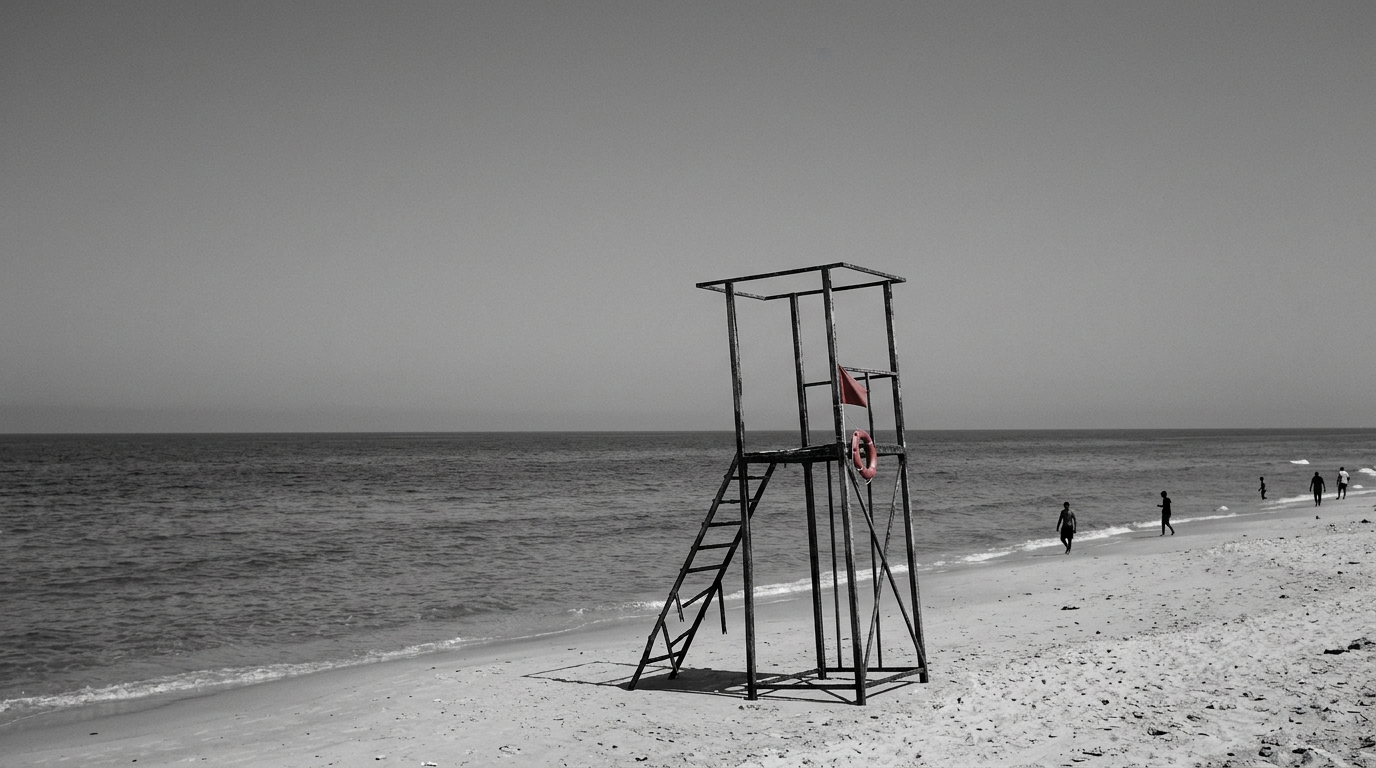
Lifeguards in Gaza are grappling with severe resource depletion and a diminished workforce, challenging their capacity to ensure public safety along the coastline. Thousands of displaced Palestinians are flocking to the beaches seeking refuge from intense summer temperatures, exacerbating the pressure on already strained marine rescue services. Essential rescue infrastructure is largely absent, making supervision of the increasingly crowded shores exceedingly difficult.
Approximately 120 lifeguards are currently tasked with overseeing the Gaza City shoreline. This represents a reduction from the 140 personnel who were active before recent conflicts. The decrease in staff is compounded by widespread damage to critical equipment, including vital watchtowers, rescue boats, and communication systems that previously formed the operational backbone of the department. Without these tools, rescue teams must rely on manual signals and shared whistles to monitor swimmers.
Depleted Infrastructure Hinders Safety Operations
The destruction of specialized infrastructure has significantly compromised the efficacy of marine rescue efforts. Ibrahim Shamlakh, head of the Gaza Municipality marine rescue department, indicated that the loss of elevated watchtowers has drastically lowered visibility. This limitation complicates the management of large crowds, particularly on peak days when up to 165 rescue incidents can occur, requiring immediate and well-coordinated responses. The cost of fundamental safety tools has also surged.
For instance, a single whistle now costs 100 shekels, approximately $34, which is a fourfold increase from its pre-conflict price of 25 shekels, as reported by Shamlakh. This sharp price hike makes it increasingly difficult for the under-resourced department to acquire necessary supplies, further impeding their ability to maintain safety standards.
Financial Instability and Increased Risks
Ongoing financial instability severely impacts the department's operations and staff morale. Lifeguards have reported irregular wage payments, with shifts frequently extending to six hours for a remuneration of roughly 25 shekels. Despite these significant constraints and the absence of crucial items such as rescue buoys and loudspeakers, the department has made efforts to increase personnel density in high-traffic areas to reduce the risk of drownings. Officials have confirmed two fatalities this season, both of which occurred outside monitored zones.
The continued deployment of lifeguards, despite their limited resources, remains the primary mechanism for preventing a greater number of casualties in Gaza's densely populated coastal waters. The humanitarian crisis has driven many residents to the beaches, making effective supervision more critical than ever.
Broader Humanitarian Implications
The challenges faced by Gaza's lifeguards the broader humanitarian crisis engulfing the region. Years of conflict and blockades have degraded essential services and infrastructure across the Gaza Strip. The influx of displaced individuals to the coast, seeking temporary relief, places additional strain on already struggling public safety systems. The international community has consistently underscored the urgent need for humanitarian assistance and infrastructure rehabilitation in the territory.
The inability to maintain basic public safety services, such as fully equipped lifeguard operations, highlights the precarious living conditions for residents. The situation necessitates a comprehensive strategy that addresses both immediate humanitarian needs and the long-term restoration of vital public services, ensuring the well-being and safety of the population.