

UK Pledges £10 Billion for 70,000 New Homes in England
The UK government is investing £10 billion to build 70,000 new homes across England, with 60% designated for social rent, addressing the housing crisis.
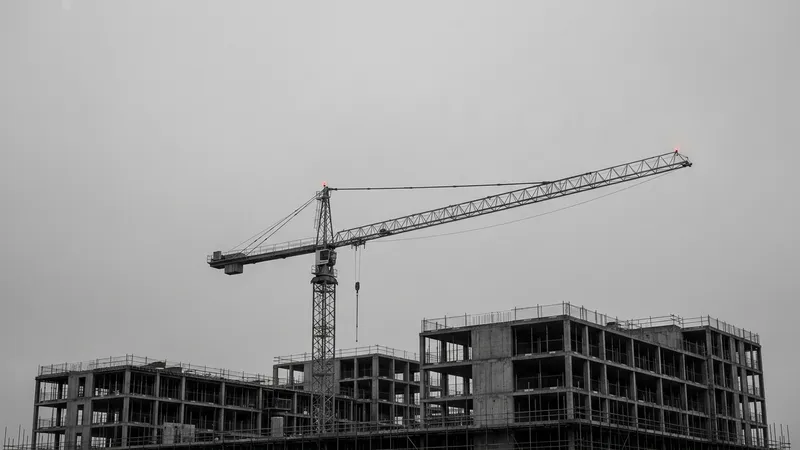
The United Kingdom government has announced a significant £10 billion investment to construct 70,000 new residential units across England. This initiative, unveiled by Housing Minister Matthew Pennycook, aims to substantially increase the supply of affordable housing, with a particular focus on social rented properties.
A notable 60 percent of these planned homes are earmarked for social rent. This commitment positions the program as the most extensive state-backed council housebuilding effort seen in the country since the post-World War II era. The considerable financial outlay is designed to address persistent shortages in the nation's housing stock and alleviate the ongoing affordability crisis.
Focus on Social Housing Provision
Officials anticipate that the impact on housing inventory will become evident over the coming fiscal years as local authorities proceed with the necessary procurement processes for these construction projects. The core objective of the initiative is to boost the availability of social housing, which is considered a vital step in easing widespread housing challenges.
The allocation of a significant majority of new homes to social rent underscores a strategic dedication to supporting lower-income households and vulnerable populations. This emphasis directly responds to a long-standing demand for more accessible housing options across the country. While the total investment is set at £10 billion, the precise distribution details for subsequent funding tranches will depend on the successful execution of the initial phase.
Strategic Funding and Future Outlook
This phased methodology allows for operational flexibility and potential adjustments based on project delivery outcomes and broader market responses. The recently introduced plan has drawn political attention, particularly regarding its alignment with prior government pledges. Greater Manchester Mayor Andy Burnham had previously advocated for a larger £39 billion budget, proposing its full allocation to council housing initiatives. Such discussions highlight the ongoing debate concerning the most effective strategies for public housing provision and funding models.
Minister Pennycook has refuted claims suggesting that current funding adjustments represent a failure to meet earlier campaign promises. He affirmed that, despite employing a different methodological approach than previously suggested, the present allocation effectively addresses the primary objective of expanding social rent availability throughout the country. The long-term success of this housing program hinges on the effectiveness of its initial capital deployment.
Should the first wave of funding successfully stimulate construction and achieve its established targets, the government may consider releasing additional funding to expand the program's scope. Conversely, the strategy could face reassessment if local authorities encounter significant delays in procurement or if the newly constructed homes do not adequately meet existing demand. Successful implementation of this initiative is crucial for improving overall housing affordability nationwide, potentially influencing future policy decisions related to urban development, social welfare programs, and broader economic stability.
More stories
- Turkey Says It Extradited 736 Fugitives as US Watches Crime Cooperation
- Washington weighs Turkey union threshold as a civil society test
- Tornadoes in Western Sicily Cause Significant Infrastructure Damage and Injuries
- Bolsonaro Takes Early Lead in Tight Brazilian Presidential Race
- Putin relays Iran view to President Trump
- Red Cross says Gaza hostage access involved Haniyeh talks
- China Silent After North Korea Missile Launches
- Iran sanctions draw Tehran threat as oil routes tighten
- Israel Syria strikes test US role between Turkiye, Israel
- White House Weighs Secret Intervention in Israeli Election
Latest news
- Cyberpunk 2077 tops 40m sales as Paramount develops film, Odatv says
- Take-Two faces $30 million GTA 6 leak threat
- L3Harris says 60 Wolf Pack flights tighten defense buying options
- Researchers frame AI cryptography fears as an open question
- TG Therapeutics leads Valneva on 12 of 14 measures
- Pune police detain 92 over election-roll protest