Himalayan Glacier Collapse Triggers Deadly Flash Floods
A glacier collapse in the Himalayas on August 26, 2026, triggered devastating flash floods, killing 797, leaving 3,000 missing, and affecting 93,000 in Nepal.
Atlas Newsdesk ·
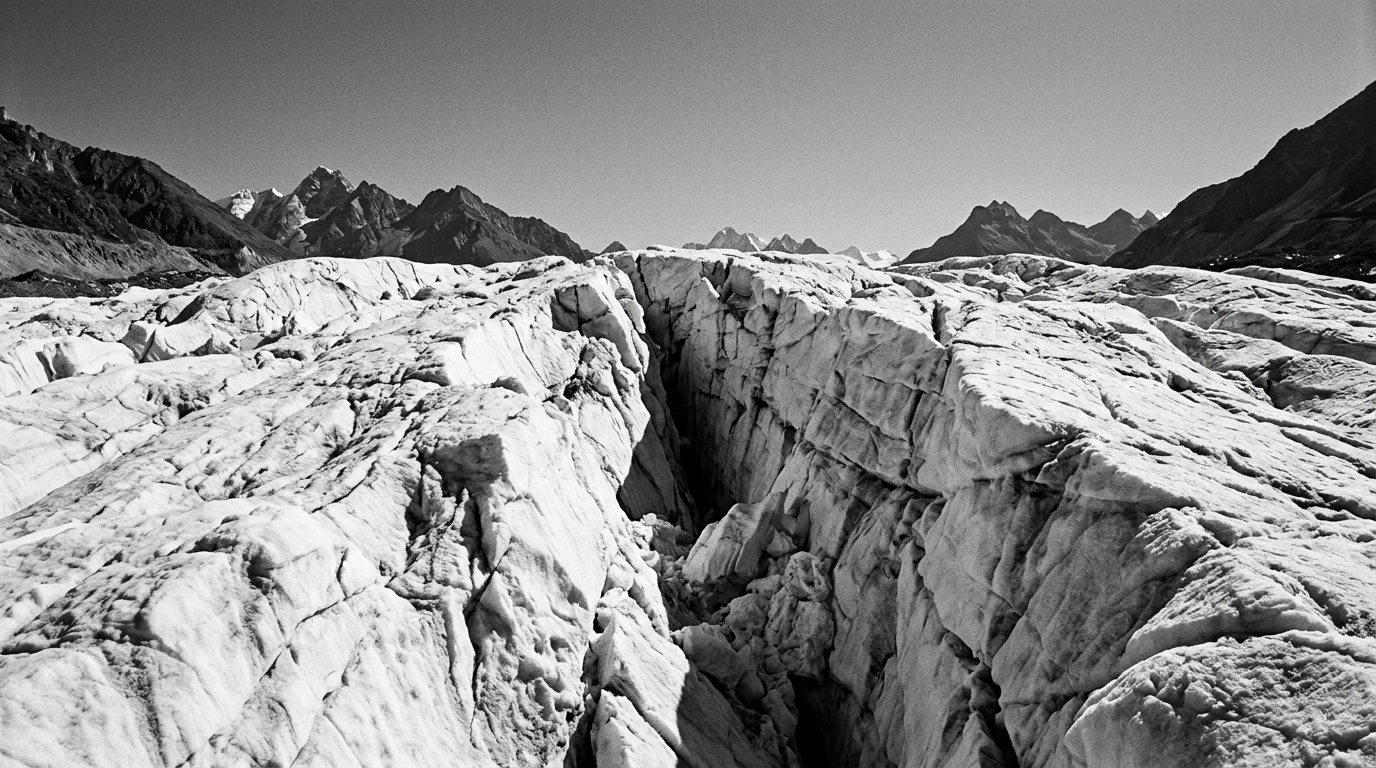
A severe glacial collapse in the Himalayan range has led to significant loss of life and widespread destruction. The event, which took place on August 26, 2026, has resulted in 797 confirmed deaths, with an additional 3,000 individuals reported missing along the border shared by Nepal and China. This catastrophe initiated massive flash floods that coursed through the Trishuli and Bhotekoshi river systems, inflicting extensive damage across the affected areas.
The sudden torrent of water and debris obliterated essential infrastructure, including critical transportation networks, bridges, and several hydropower installations. In Nepal specifically, the incident has directly impacted an estimated 93,000 residents. The physical devastation is exacerbated by the destruction of roads, severely impeding search and rescue operations. Teams are finding it extremely difficult to access remote communities due to blocked pathways and new landslides.
Emergency Response Efforts Underway
Current emergency response efforts are concentrated on clearing obstructed tunnels and navigating the challenging terrain created by fresh landslides to locate any potential survivors. The immense scale of the disaster has necessitated mass burials in the hardest-hit districts. Meanwhile, authorities are also managing the recovery of bodies that have been carried downstream, reaching as far as India.
The long-term repercussions on regional energy production remain a critical concern. Rescue teams are actively continuing their search for workers believed to be trapped within the damaged hydropower facilities.
The Himalayan region is known for its delicate ecosystem, where rising global temperatures contribute to glacial melt, increasing the risk of such events. This particular incident highlights the vulnerability of communities and infrastructure situated in high-risk glacial lake outburst flood (GLOF) zones.
Environmental Vulnerabilities and Infrastructure Risks
Glacial lake outburst floods (GLOFs) are a known hazard in mountainous regions like the Himalayas. These events occur when glacial lakes, often dammed by ice or moraine, suddenly release large volumes of water due to melting, seismic activity, or other destabilizing factors. The rapid release of water and sediment can travel many kilometers downstream, causing catastrophic damage to human settlements, agricultural land, and infrastructure, particularly in narrow river valleys.
The destruction of hydropower projects, crucial for regional energy supply, underscores the significant economic and developmental setbacks caused by such natural disasters. Rebuilding these facilities and restoring power generation will require substantial investment and time, impacting local economies and potentially displacing populations reliant on these projects for employment and energy.
International aid and collaboration will be essential to address the immediate humanitarian crisis and support the long-term recovery and reconstruction efforts in the affected border regions.
Broader Regional Implications
The event also brings to the forefront the challenges of cross-border disaster management. The flow of rivers across international boundaries necessitates coordinated responses between Nepal, China, and India, particularly concerning search and recovery operations and environmental monitoring.
The incident serves as a stark reminder of the urgent need for enhanced early warning systems, resilient infrastructure development, and comprehensive disaster preparedness strategies in areas prone to climate change-induced geological and hydrological hazards.