U.S. strikes Iran spur tit-for-tat hits amid ceasefire talks
U.S. strikes Iran, prompting retaliation at a U.S.-used base. Limited exchanges continue under an April ceasefire as negotiators seek a longer-term agreement.
Lauren Collins ·
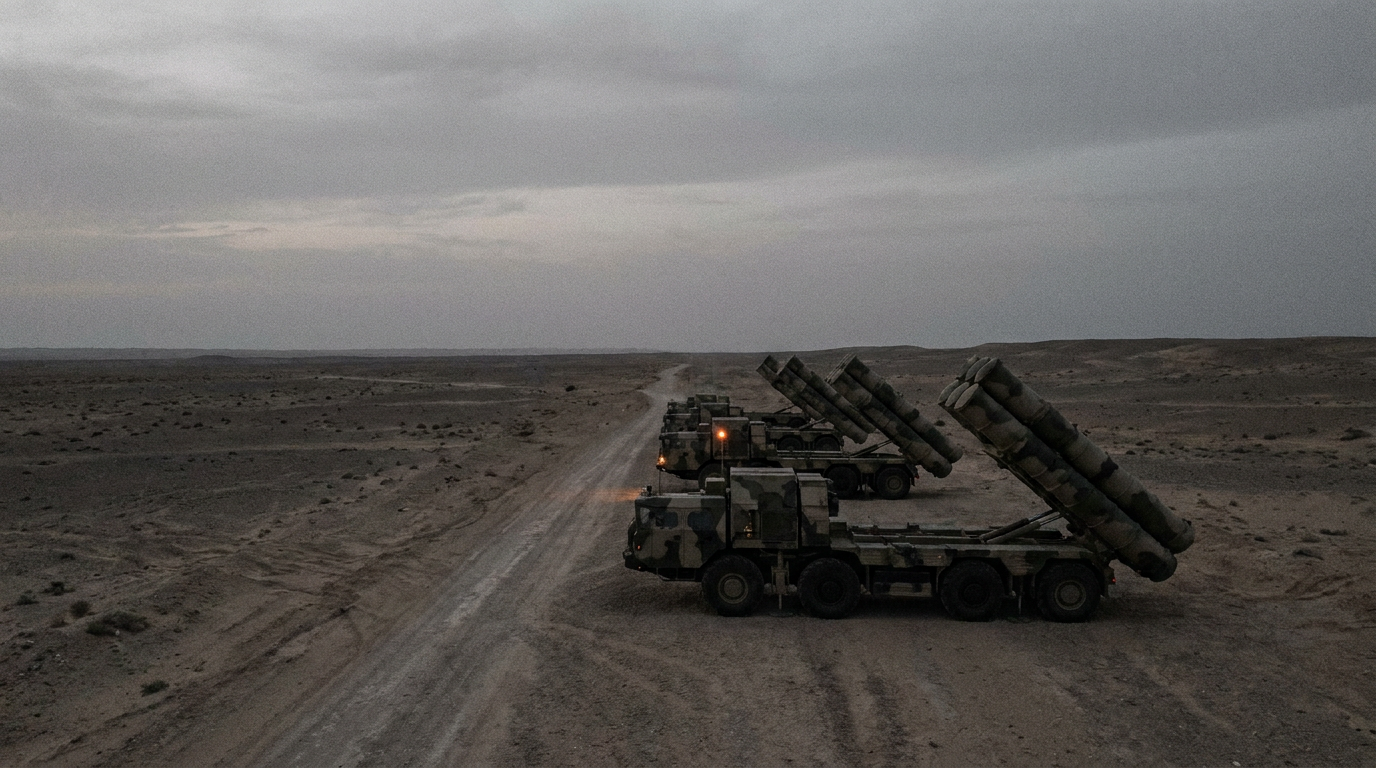
U.S. strikes Iran over the weekend drew a retaliatory hit on a U.S.-used base, as exchanges persist under an April ceasefire and fitful peace talks.
U.S. Central Command said the latest operation targeted Iranian military facilities along the Gulf coast after Iranian forces downed a U.S. MQ‑1 drone above international waters. The command said U.S. aircraft destroyed air-defense assets, a ground-control site, and two one-way attack drones judged to threaten commercial and naval traffic. Commanders framed the action as protection of American personnel and shipping during an active truce.
U.S. response cites drone shootdown
The Pentagon’s regional command posted details on X, linking the weekend strikes to the unmanned aircraft incident. The MQ‑1 shootdown, characterized as unlawful due to its location over open seas, was cited as the immediate trigger.
By emphasizing maritime security, U.S. officials signaled that freedom of navigation and defense of assets remain red lines. The message aligns with earlier warnings that the military will act to deter threats while diplomacy seeks a more durable compact.
IRGC says it hit a U.S.-used base
On Monday, Iran’s Islamic Revolutionary Guard Corps said it targeted an air base used by the United States in response to the attack on southern Iran. The IRGC did not identify the facility, and no casualty figures were released by either side.
The exchange mirrors a pattern that has emerged since the truce took effect: rapid retaliation framed as limited and defensive. A similar set of strikes occurred last Thursday and was described in almost the same terms by both capitals.
Ceasefire holds as diplomacy drags
The war, now three months old, has produced sporadic cross-border fire even under ceasefire conditions that began in early April. Negotiations aimed at locking in a longer-term arrangement have yet to deliver, and both militaries have calibrated actions to avoid a broader breach.
Who gains, and who pays, turns on signaling. Washington’s strikes aim to deter attacks on U.S. forces and shield shipping lanes, a priority for energy exporters and commercial carriers transiting the Gulf. Tehran’s reply asserts its capacity to impose costs without abandoning talks, shoring up domestic credibility while keeping channels to negotiators ajar.
For regional players dependent on stable sea routes, the immediate risk is to vessels moving through congested waters. Any miscalculation could raise insurance costs, slow transits, and complicate naval escort patterns, even if both sides continue to describe actions as contained.
The United States has reiterated it will defend personnel and interests during the ceasefire. Iran’s opaque reference to a U.S.-used base leaves open questions about targeting and escalation thresholds, but also suggests an attempt to manage optics while answering a strike on its territory.
Next steps hinge on whether military actions remain brief and transactional, and whether negotiators can convert the April truce into a structured agreement. Watch for further drone incidents, any named attribution of the struck base, and adjustments to U.S. or Iranian force posture around key maritime corridors.