US states sue Trump EPA over decision to repeal bedrock climate finding
A coalition of 24 U.S. states has sued the Trump EPA over its February decision to revoke a 2009 climate endangerment finding.
Cuneyd Erdogan ·
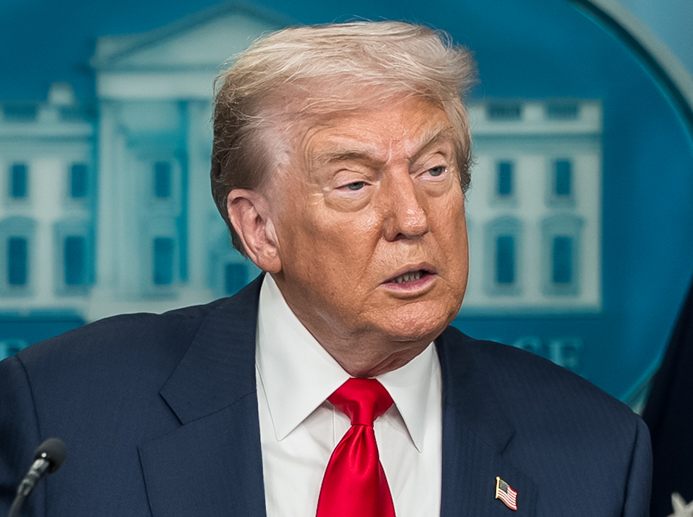
A coalition of 24 U.S. states, joined by several cities and counties, has initiated legal action against the Trump administration's Environmental Protection Agency (EPA). The lawsuit challenges the EPA's February decision to revoke a fundamental scientific determination regarding greenhouse gas emissions. This determination, established in 2009, concluded that greenhouse gases endanger public health and welfare.
Filed on Thursday in the U.S. Court of Appeals for the District of Columbia, the legal challenge asserts that the EPA's rescission of the "endangerment finding" was unlawful. The states of Massachusetts, California, New York, and Connecticut are leading this multi-jurisdictional effort. The White House had previously characterized the EPA's action as the "single largest deregulatory action in U.S. history."
Legal Basis of the Challenge
The core of the lawsuit rests on the argument that the EPA's reversal of the 2009 finding lacks a sound legal and scientific basis. The original endangerment finding provided the foundational justification for numerous federal regulations aimed at controlling greenhouse gas emissions, including vehicle emissions standards and power plant regulations. Its rescission could undermine the legal standing of these environmental protections.
Plaintiffs contend that the EPA's decision to revoke the finding was arbitrary and capricious, failing to adhere to administrative law requirements. They argue that the agency did not present new scientific evidence to justify overturning a conclusion previously supported by extensive scientific review. This legal strategy aims to reinstate the original finding, thereby preserving the regulatory framework built upon it.
Historical Context of Climate Regulation
The 2009 endangerment finding was a direct response to the Supreme Court's 2007 ruling in *Massachusetts v. EPA*. In that landmark case, the Court determined that the EPA has the authority, and indeed the obligation, under the Clean Air Act to regulate greenhouse gases if they are found to endanger public health or welfare. This ruling paved the way for the EPA to formally declare greenhouse gases as pollutants requiring federal oversight.
Subsequent administrations utilized this finding to implement a range of policies designed to mitigate climate change, including the Clean Power Plan and various emissions standards for industries and vehicles. The Trump administration, however, has pursued a policy of deregulation, viewing these environmental protections as impediments to economic growth. The current lawsuit represents a significant pushback against this deregulatory agenda by state-level authorities.
Implications for Environmental Policy
The outcome of this legal battle carries substantial implications for U.S. environmental policy and climate action. If the states prevail, it could force the EPA to reinstate the endangerment finding, potentially restoring the legal basis for federal climate regulations. Conversely, if the EPA's rescission is upheld, it could significantly weaken the federal government's ability to regulate greenhouse gases under existing laws.
This case highlights the ongoing tension between federal and state authorities regarding environmental governance, particularly on issues with broad economic and public health impacts. The decision from the U.S. Court of Appeals for the District of Columbia will be closely watched by environmental groups, industry stakeholders, and international observers concerned with global climate efforts.
Implications
Country Impact: The lawsuit's outcome will significantly influence the future of U.S. federal environmental policy, potentially reinstating or further weakening the government's ability to regulate greenhouse gas emissions. It underscores the ongoing legal and political divisions over climate action within the United States.
Industry Impact: Industries subject to emissions regulations, such as automotive and energy sectors, face continued uncertainty regarding future compliance requirements. A ruling in favor of the states could lead to renewed pressure for stricter environmental standards, impacting investment and operational strategies.
Market Impact: The legal challenge introduces regulatory uncertainty that could affect markets tied to renewable energy and fossil fuels. A potential reinstatement of climate regulations might boost green technology investments while creating headwinds for carbon-intensive industries, influencing investor sentiment and market valuations.