Tens of thousands of prisoners in England and Wales at risk of cell fires
Thousands of inmates in England and Wales face fire safety risks as the Ministry of Justice delays upgrades to unsafe prison cells.
Cuneyd Erdogan ·
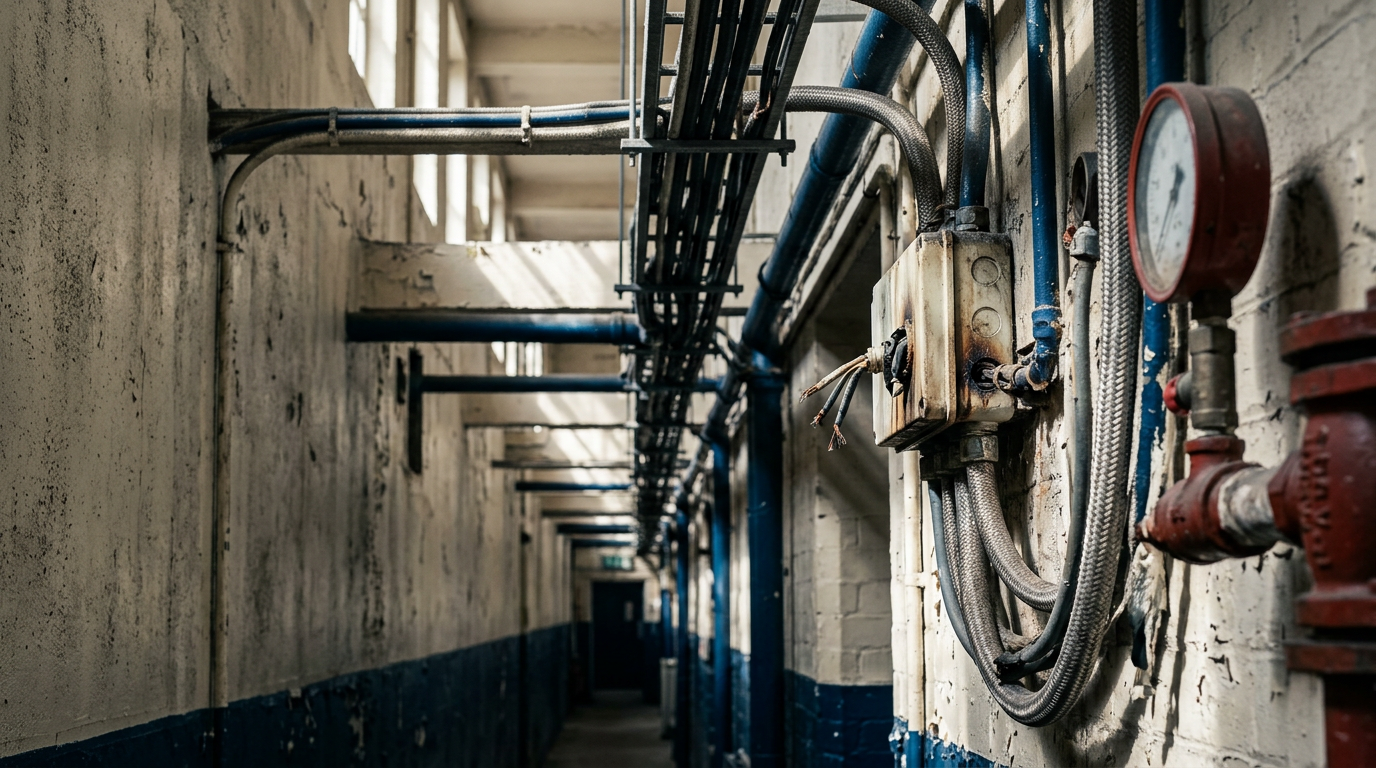
Thousands of inmates across England and Wales remain housed in prison cells deemed unsafe due to fire risks, a situation the Ministry of Justice (MoJ) has acknowledged for nearly two decades. Despite a previous commitment to ensure all cells met fire safety standards or were decommissioned by the end of 2025, the government has now indicated it will not meet this deadline. This decision leaves a significant portion of the prison population vulnerable to potential fire hazards.
### Government Acknowledges Safety Deficiencies
The Ministry of Justice has confirmed that approximately one-quarter of all prison accommodations in England and Wales do not comply with current fire safety regulations. This long-standing issue, known to authorities since 2005, affects a substantial number of prisoners. The initial pledge aimed to rectify these deficiencies or remove the unsafe cells from use within the next year, a target that has now been abandoned.
### Historical Context of Prison Safety Concerns
Concerns regarding fire safety within the UK prison estate are not new. Over the past two decades, various reports and inspections have highlighted inadequate fire prevention measures and outdated infrastructure in numerous facilities. The commitment to upgrade or remove non-compliant cells was a direct response to these persistent safety warnings, emphasizing the need for a comprehensive overhaul of prison conditions.
### Implications for Inmate Welfare and Operational Costs
The continued use of fire-unsafe cells poses direct risks to the welfare of prisoners and staff. Beyond immediate safety, it raises questions about the government's duty of care and the long-term implications for the prison system's operational integrity. Addressing these issues will likely require substantial capital investment and strategic planning, potentially impacting other areas of the justice budget.
### Policy Shift and Future Outlook
The reversal of the 2025 deadline suggests a reprioritization or a reassessment of the feasibility of the original timeline. This shift could be attributed to various factors, including budgetary constraints, logistical challenges in upgrading a large number of facilities, or the ongoing pressure to manage prison capacity.
The MoJ's current stance indicates that a resolution to the widespread fire safety concerns will extend beyond the previously announced timeframe, leaving the issue unresolved for the foreseeable future.
### Broader Impact on Justice System
This development underscores broader challenges within the UK's correctional system, including aging infrastructure and persistent underfunding. The inability to meet fundamental safety standards could lead to increased scrutiny from human rights organizations and potentially legal challenges. It also highlights the complex balance between managing prison populations and ensuring humane and safe conditions for all individuals within the justice system.
Implications
Country Impact: The decision to delay fire safety upgrades in prisons could lead to increased public and political scrutiny regarding government spending priorities and the welfare of incarcerated individuals. It may also strain public confidence in the justice system's ability to ensure basic safety standards.
Industry Impact: The construction and maintenance sectors involved in public infrastructure projects, particularly those related to correctional facilities, may experience delayed or altered project timelines. This could impact companies specializing in fire safety installations and building renovations within the public sector.
Market Impact: While direct market impact is limited, any significant future allocation of funds to address these safety issues could divert resources from other public spending, potentially affecting sectors reliant on government contracts. Investor sentiment towards public sector efficiency might also be subtly influenced.