US states file lawsuit challenging Trump’s revocation of climate finding
US states filed a lawsuit challenging the Trump administration's revocation of a key climate finding, impacting federal environmental regulation.
Cuneyd Erdogan ·
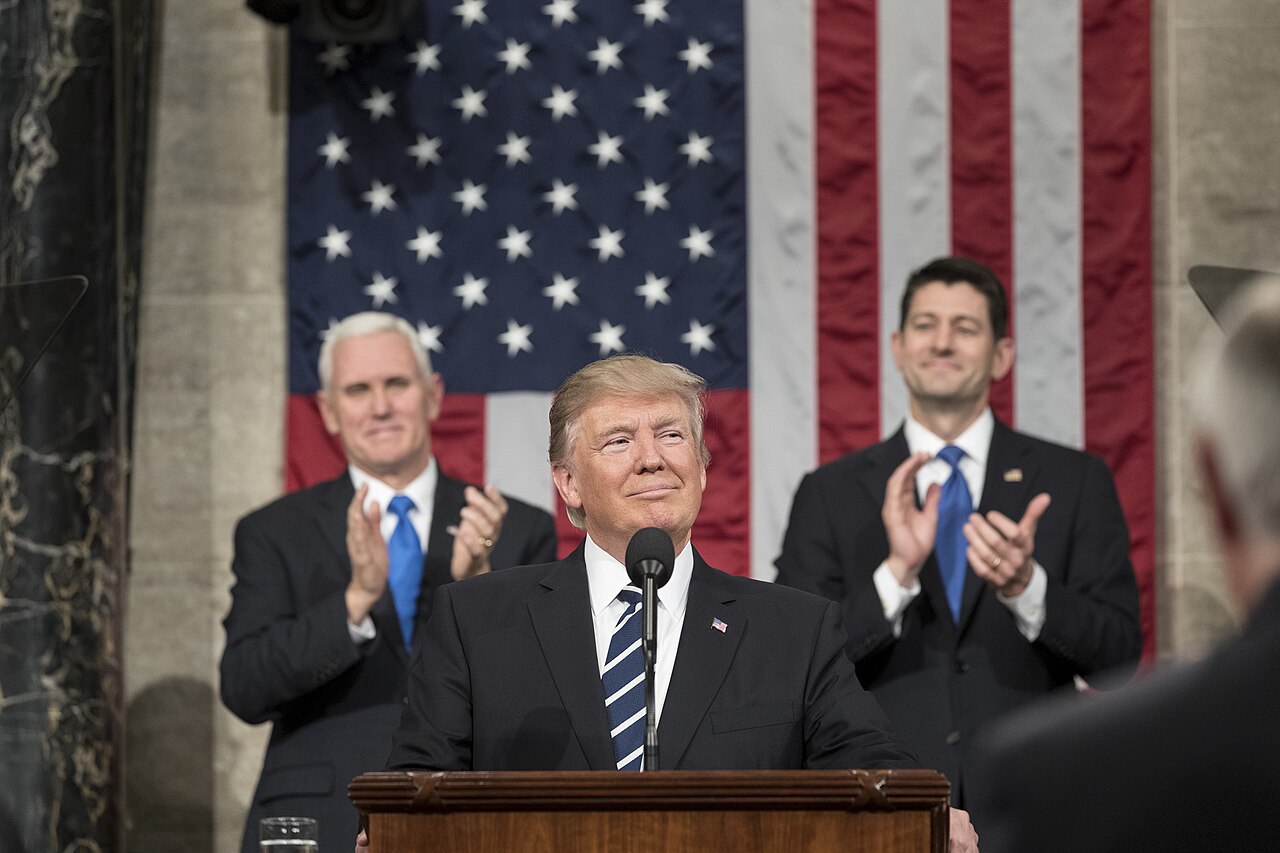
A coalition of U.S. states initiated legal action against the Trump administration following its decision to revoke a scientific finding concerning climate change. This legal challenge centers on the administration's move to withdraw a determination that greenhouse gas emissions endanger public health and welfare, a foundational element for federal environmental regulation.
Legal Challenge Initiated
The lawsuit, filed by multiple state attorneys general, contests the legality of the Trump administration's action. The states argue that the revocation of the "endangerment finding" undermines environmental protections and disregards established scientific consensus on climate change.
Background of the Endangerment Finding
The original endangerment finding was issued by the Environmental Protection Agency (EPA) in 2009 under the Obama administration. This finding concluded that six greenhouse gases, including carbon dioxide, threaten public health and welfare, thereby providing the legal basis for the EPA to regulate these emissions under the Clean Air Act.
This determination was a critical step that enabled the implementation of various climate policies, such as vehicle emissions standards and power plant regulations.
Trump Administration's Stance
Upon taking office, the Trump administration signaled a significant shift in environmental policy, prioritizing deregulation and a withdrawal from international climate agreements. The revocation of the endangerment finding was consistent with this broader agenda, aiming to reduce what the administration viewed as burdensome federal regulations on industries. Critics argued this move was politically motivated and lacked scientific justification.
Implications for Environmental Policy
The legal battle has substantial implications for the future of environmental regulation in the United States. If the states succeed, it could reinstate the legal framework for federal action on climate change. Conversely, a ruling in favor of the administration could weaken the EPA's authority to regulate greenhouse gases, potentially leading to a rollback of existing environmental standards and hindering future climate initiatives.
Broader Political and Economic Context
This lawsuit unfolds within a larger political landscape marked by differing approaches to climate change. While some states and the federal government under Trump pursued policies that de-emphasized climate action, many other states, particularly those involved in the lawsuit, have continued to implement their own climate policies and renewable energy initiatives. S. position in global climate discussions.
Judicial Review and Precedent
The courts will now assess whether the Trump administration's revocation was arbitrary and capricious, or if it was based on a reasoned scientific and legal basis. The legal precedent set by this case could significantly impact the balance of power between federal agencies and states regarding environmental policy, and the extent to which scientific findings can be overturned by political administrations.
Implications
Country Impact: The lawsuit could redefine the scope of federal environmental regulation in the U.S., potentially impacting national climate policy and the authority of the Environmental Protection Agency.
Industry Impact: Industries heavily reliant on fossil fuels might face reduced regulatory pressure if the revocation stands, while renewable energy sectors could see slower growth without federal incentives.
Market Impact: Uncertainty surrounding climate policy could affect investment in energy markets, with potential shifts in capital allocation between traditional and green energy sectors.