US Intercepts Iranian Ballistic Missile Attack
US intercepts Iranian ballistic missile launches at 5:45 p.m. ET Tuesday, as Strait of Hormuz tensions and Red Sea risks rise.
Atlas Newsdesk ·
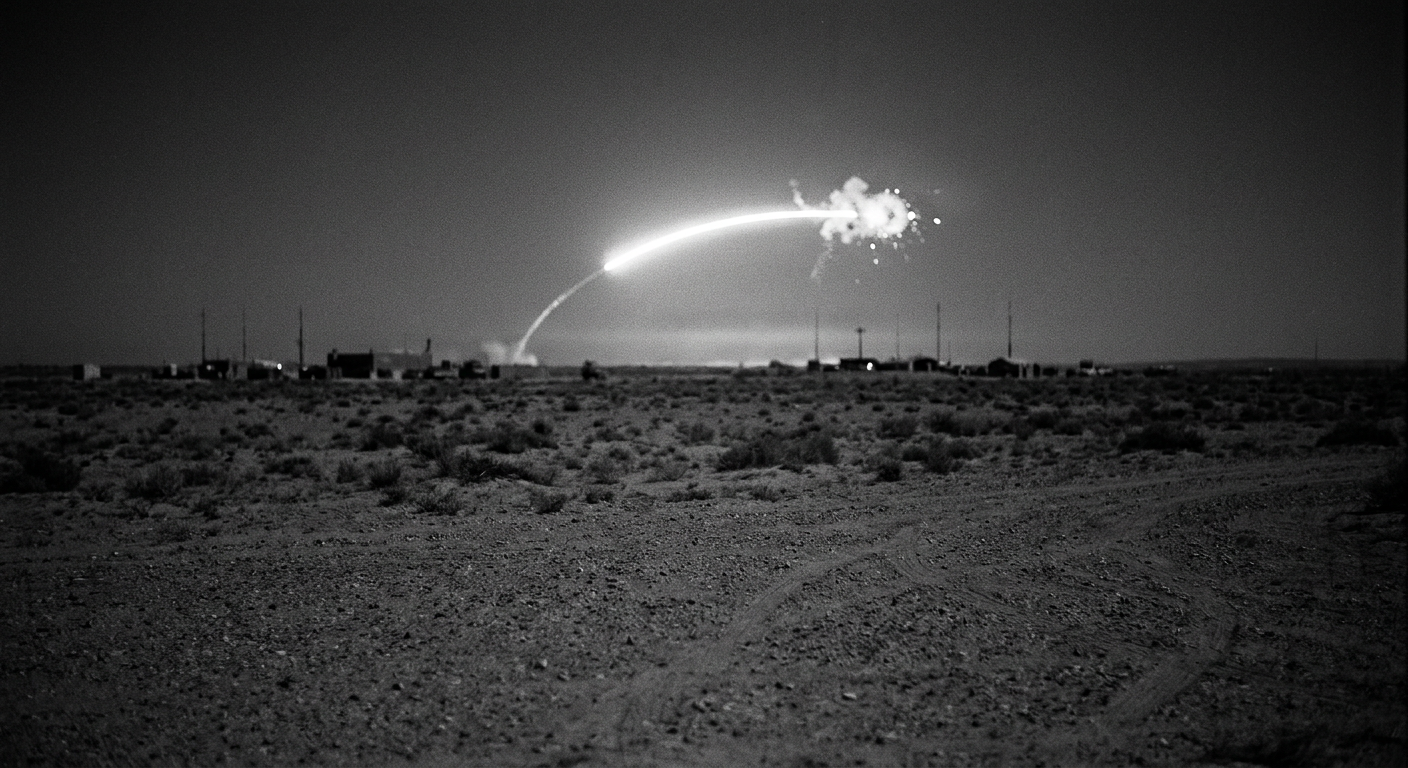
US Central Command said Iranian forces launched multiple ballistic missiles at American military installations in the Middle East at 5:45 p.m. ET on Tuesday. The command said US defensive systems intercepted the missiles, and the strike was described as ending a short pause in hostilities that had held since the weekend.
The attack was reported to have originated from Iranian territory and was described in reports as aimed at a base in Jordan. Officials did not detail damage or casualties in the account provided, and the extent of the attempted strike was not further specified beyond “multiple” missiles.
Strait of Hormuz tensions drive the latest escalation
The renewed exchange comes after nearly two weeks of reciprocal strikes between Washington and Tehran focused on control and passage in the Strait of Hormuz. The waterway is a critical transit route for global energy flows, carrying approximately 20 percent of the world’s oil supplies, according to the source material.
Officials linked the current phase of conflict to the breakdown of an interim ceasefire agreement signed in June. Since that collapse, the Strait of Hormuz has been described as a central theater of confrontation, with both sides backing different preferred shipping patterns.
Iran has sought to require commercial vessels to use routes closer to its coastline, according to the account. US-led operations, by contrast, have encouraged maritime traffic to move along the southern coast of Oman.
Diplomacy in Washington as military readiness stays high
The missile launch was reported as occurring alongside high-level diplomatic meetings in Washington involving US and Israeli leadership. The timing adds pressure to parallel efforts described as aimed at reducing regional tensions.
The US military was described as maintaining a high state of readiness. At the same time, the incident was presented as complicating negotiations intended to lower the risk of wider escalation ahead of the November midterm elections.
Red Sea shipping lanes also face rising pressure
Separate reports cited increased activity by Iran-backed militias in the Red Sea. Attention has focused on shipping routes near the Bab el-Mandeb strait, which were described as facing threats tied to blockade efforts and drone activity.
The combination of missile launches and maritime pressure points underscores how multiple waterways are being pulled into the same confrontation, with the Strait of Hormuz and the Red Sea both referenced as areas where shipping security remains a concern.
Key uncertainties remain, including whether further launches will follow, how shipping operators adjust routes in response to competing guidance, and whether diplomatic talks can restore a workable de-escalation framework after the June ceasefire arrangement collapsed.