Crude oil jumps as Centcom assault rattles markets again
Crude oil rose after a new Centcom assault renewed concern over Iran tensions, the Strait of Hormuz and energy-market volatility.
Lauren Collins ·
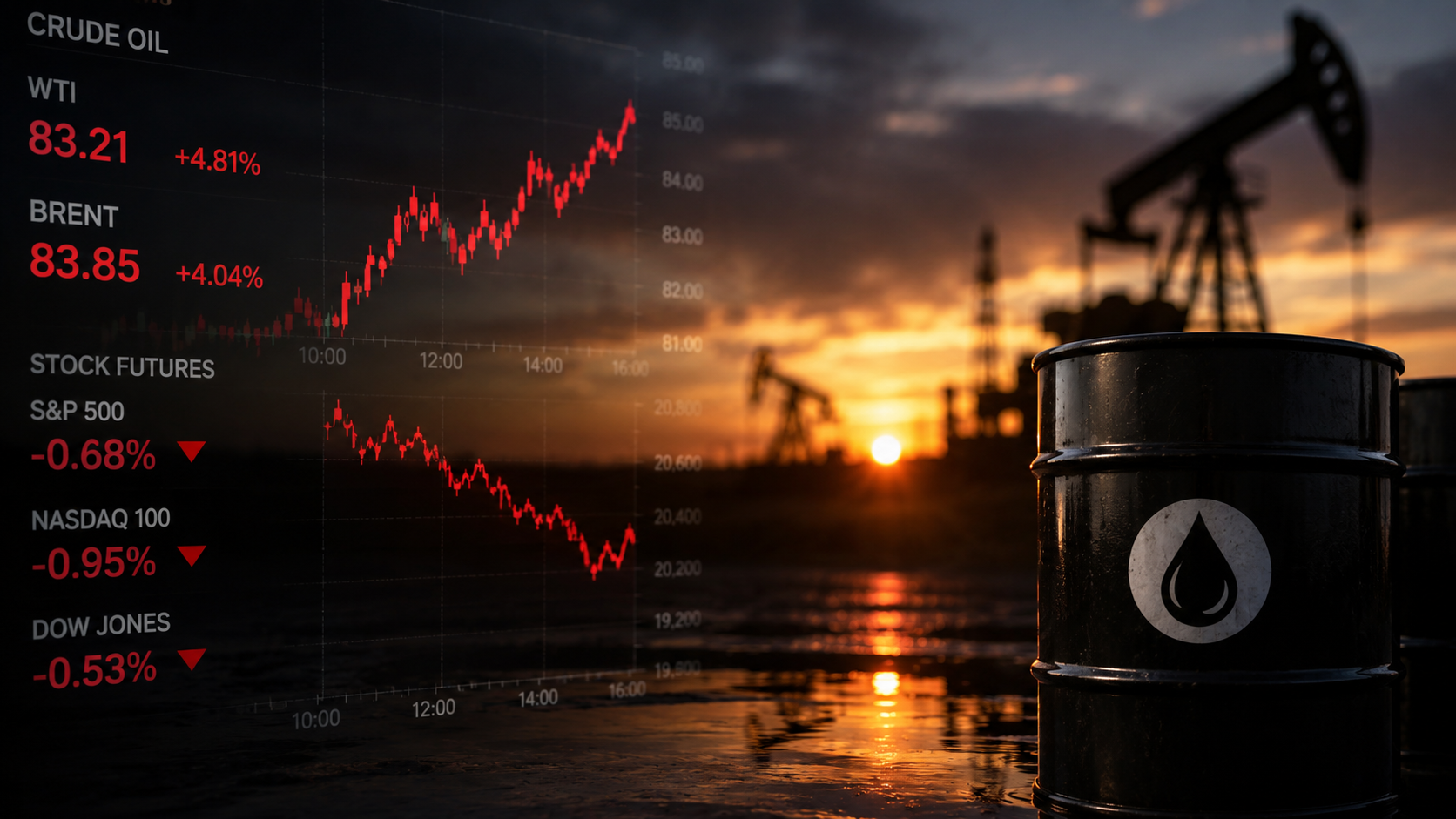
Crude oil jumped after Centcom announced a new assault, while U.S. stock futures dipped and traders refocused on Iran risk.
The move broke a brief calm in a conflict that had seen Washington and Tehran pause a pattern of escalating strikes. West Texas Intermediate climbed as much as yüzde 5 to move above $83 a barrel, reversing part of a yüzde 14 slide over the prior three sessions.
Brent had closed near $84 on Tuesday, leaving both global benchmarks sensitive to headlines from the Gulf. The reaction showed how quickly energy markets can reprice when military activity intersects with a major shipping corridor.
Centcom move resets oil pricing
Centcom's announcement changed the market tone because it arrived after several quieter days. In commodity markets, a lull can encourage traders to unwind risk premiums; a fresh strike can force them back in quickly.
The immediate cross-asset response was clear: oil rose, while U.S. equity futures weakened. That pattern usually reflects concern that higher energy costs could pressure company margins, household spending and inflation expectations if the move persists.
The Strait of Hormuz sits at the center of the concern described by the White House and Israeli officials. The waterway is treated by energy traders as a chokepoint because disruptions there can slow vessel traffic and lift freight, insurance and crude costs.
Trump keeps diplomacy in frame
President Trump has tried to avoid a broader bombing campaign against Iran while keeping military pressure visible. Earlier Tuesday, he said, "I think we have a very strong position right now."
Trump also repeated his threat to strike Iran's major bridges if no agreement is reached, while adding, "if I can avoid doing that, I’d like to do that." The dual message gives negotiators room to continue talks, but it also keeps markets exposed to abrupt policy shifts.
His emphasis has been on a deal that would reduce pressure around the Strait of Hormuz and allow ships to move more easily through the route. That focus differs in emphasis from Israel's priority, which is centered on preventing Iran from obtaining nuclear weapons.
Netanyahu presses nuclear line
Israeli Prime Minister Benjamin Netanyahu met Trump at the White House on Tuesday as the war put strain on a relationship that is usually close. The meeting came as Israel pushed Washington to hold a firm line on Iran's nuclear program.
Netanyahu described the discussion in cooperative terms after the meeting. In a video posted on Instagram, he said, "It was one of the best conversations I’ve had," adding that the two sides shared the goal that Iran would not have nuclear weapons.
The difference between the two leaders is not over the stated nuclear objective. It is over how much weight to put on immediate military pressure versus a diplomatic arrangement that calms shipping risk and reduces the chance of a wider regional escalation.
For oil markets, the next phase depends on whether the latest assault remains contained. If the U.S.-Iran pause largely holds, crude could give back some risk premium, easing pressure on inflation-sensitive assets and giving refiners, airlines and shippers a more stable cost base.
If strikes widen or Hormuz traffic faces new constraints, the mechanism runs in the other direction. Higher crude and transport costs would feed into global energy bills, complicate central-bank inflation judgments, and raise operating costs across fuel-intensive industries.
A third path is a negotiated easing around the waterway without a full political settlement. That would not remove the nuclear dispute, but it could reduce the market's immediate supply-chain fear and shift attention back to inventories, demand and producer policy.
The open questions are concrete: whether Iran responds militarily, whether Centcom signals further action, whether shipping flows remain smooth, and whether Trump and Netanyahu keep their priorities aligned. Until those answers are clearer, the oil market is likely to treat each military or diplomatic signal as a pricing event.