Iran fires missiles at US base in Jordan
Officials said US forces intercepted a ballistic missile attack linked to Iran’s Revolutionary Guards as regional tensions rose.
Mateo Fernandez ·
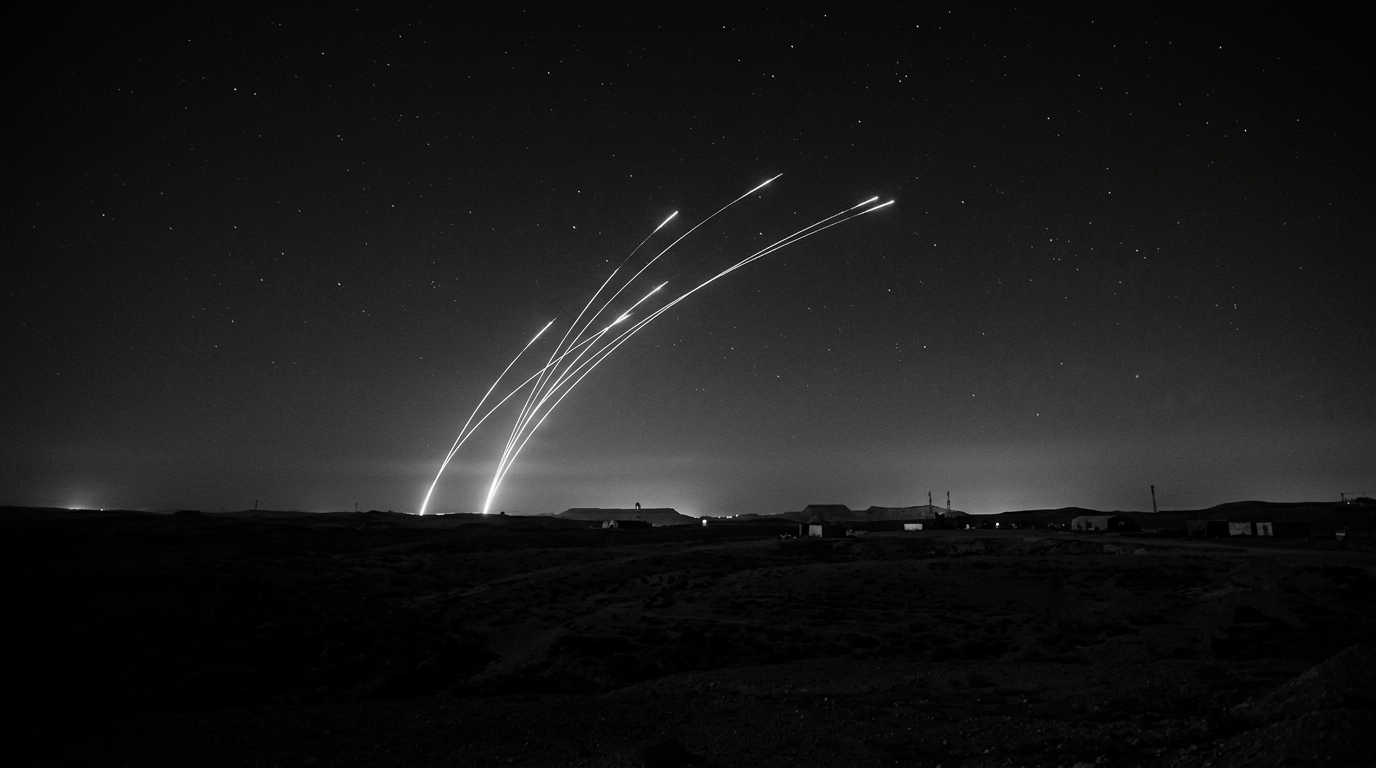
Iran launched a ballistic missile attack on a US base in Jordan on July 28, 2026, with US forces intercepting the incoming fire, officials said. The attack was linked to the Islamic Revolutionary Guard Corps and marks a direct escalation in the confrontation between Washington and Tehran.
The immediate market reaction was not yet available. The geopolitical risk is clear: a direct strike on US forces raises the chance of a military response, tighter regional security measures and renewed pressure on energy-linked assets if the confrontation spreads.
Jordan base attack widens Iran risk
Officials said multiple ballistic missiles were fired during the attack. No confirmed casualty details were provided in the initial account, and officials did not immediately specify whether all missiles were destroyed before impact.
For the White House, the incident creates a narrow decision window. A limited response could seek to deter further strikes while avoiding a broader conflict; a heavier response could raise the risk of attacks on US positions, allies or commercial routes across the region.
The macro channel runs through
energy, shipping insurance and safe-haven demand.
If the confrontation stays contained to military targets, markets may price a temporary risk premium. If it expands toward Gulf infrastructure or transit routes, oil volatility, defense demand and regional credit risk could move higher.
By July 29, 2026, investors and regional governments will be watching for a formal US military assessment, any claim of responsibility from Tehran, and whether Washington raises force protection levels across nearby bases.