
US Sanctions Chinese Oil Port Over Illicit Iran Trade
New US sanctions target a major Chinese oil terminal for its alleged role in facilitating Iran's petroleum trade, escalating economic pressure.
Targeting Illicit Trade Networks
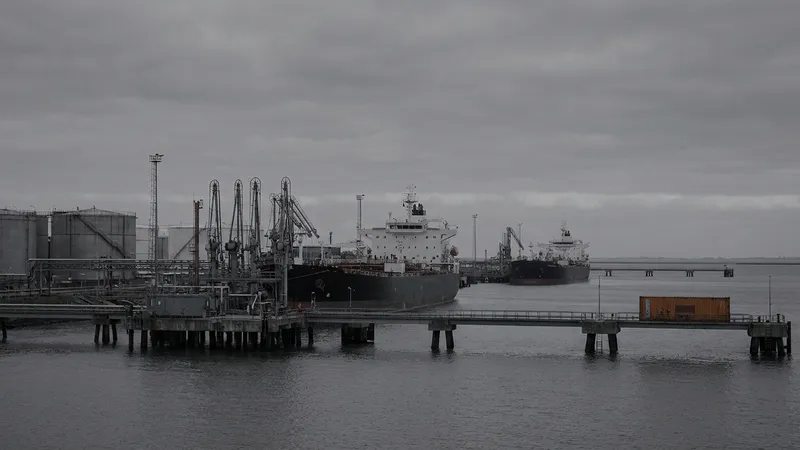
The United States has levied new sanctions against a Chinese petroleum terminal operator for its involvement in the trade of Iranian oil, escalating Washington's campaign to disrupt Tehran's energy exports. The US Department of State identified Qingdao Haiye Oil Terminal Co., Ltd. as a key node in a network facilitating Iran's oil sales.
According to U.S. officials, the China-based terminal played a crucial role in enabling revenue flows to Tehran worth billions of dollars. The State Department alleged that Haiye imported tens of millions of barrels of crude oil in defiance of American sanctions against Iran.
The U.S. accused the company of using sophisticated evasion tactics to obscure the origin of the shipments. These methods reportedly included engaging in illicit ship-to-ship transfers with vessels that were already under sanction, a common practice to circumvent international monitoring and enforcement.
Beijing's Diplomatic and Legal Pushback
China swiftly condemned the move, reiterating its opposition to unilateral sanctions imposed outside the framework of international law. Liu Pengyu, a spokesperson for the Chinese embassy in Washington, criticized the measures and what he termed as "long-arm jurisdiction" by the United States.
Beijing's stance is that only sanctions authorized by the United Nations Security Council are legally binding on all member states. Unilateral measures, like those the U.S. has applied to Iran’s energy sector, are viewed by China as an overreach of national authority without a basis in established international protocols.
This latest action is part of a recurring pattern of U.S. enforcement that has previously targeted Chinese oil refiners and shipping companies based in Hong Kong. Each instance has drawn a similar rebuke from the Chinese government, highlighting a fundamental disagreement over the legitimacy of such economic penalties.
Broader Context of US-Iran Policy
The sanctions targeting Iran's oil industry were first significantly expanded under the Trump administration as part of its "maximum pressure" campaign. The policy aims to compel Tehran to renegotiate its nuclear program and curtail its regional influence by severely restricting its primary source of revenue.
By targeting foreign entities that do business with Iran's energy sector, Washington employs secondary sanctions to enforce its policy globally. This strategy places international companies in a difficult position, forcing them to choose between accessing the U.S. market and conducting business with sanctioned states.
The continued enforcement of these sanctions signals Washington's determination to maintain economic pressure on Iran. Observers will be closely watching for any retaliatory measures from Beijing and monitoring the impact on an already volatile global energy market, as traders and shippers navigate the increasing risks of secondary sanctions.
More stories
- Russian strikes hit Ukraine plants after Trump ceasefire statement
- Saudi flights divert after Dammam airport targeted
- US said to threaten Ukraine weapons, intelligence aid
- Riyadh airport hit again as Trump weighs US role
- Houthis hit Riyadh airport after 12 killed
- Yemen Cabinet backs Houthi terrorist label after 12 deaths
- Joseph Kabila Sanctions: DRC Ex-Leader Vows Legal Fight
- Legal AI Heats Up as Nvidia Backs Startup Legora
- China praises overflight blocks on Taiwan leader trip
- Gold Prices Rebound on U.S.-Iran Ceasefire Extension