US Refutes Iranian Claim of Missile Hit on Naval Vessel
US Iran tensions soared after a false report of a missile strike on a US naval ship, causing market volatility before an official American denial.
Atlas Newsdesk ·
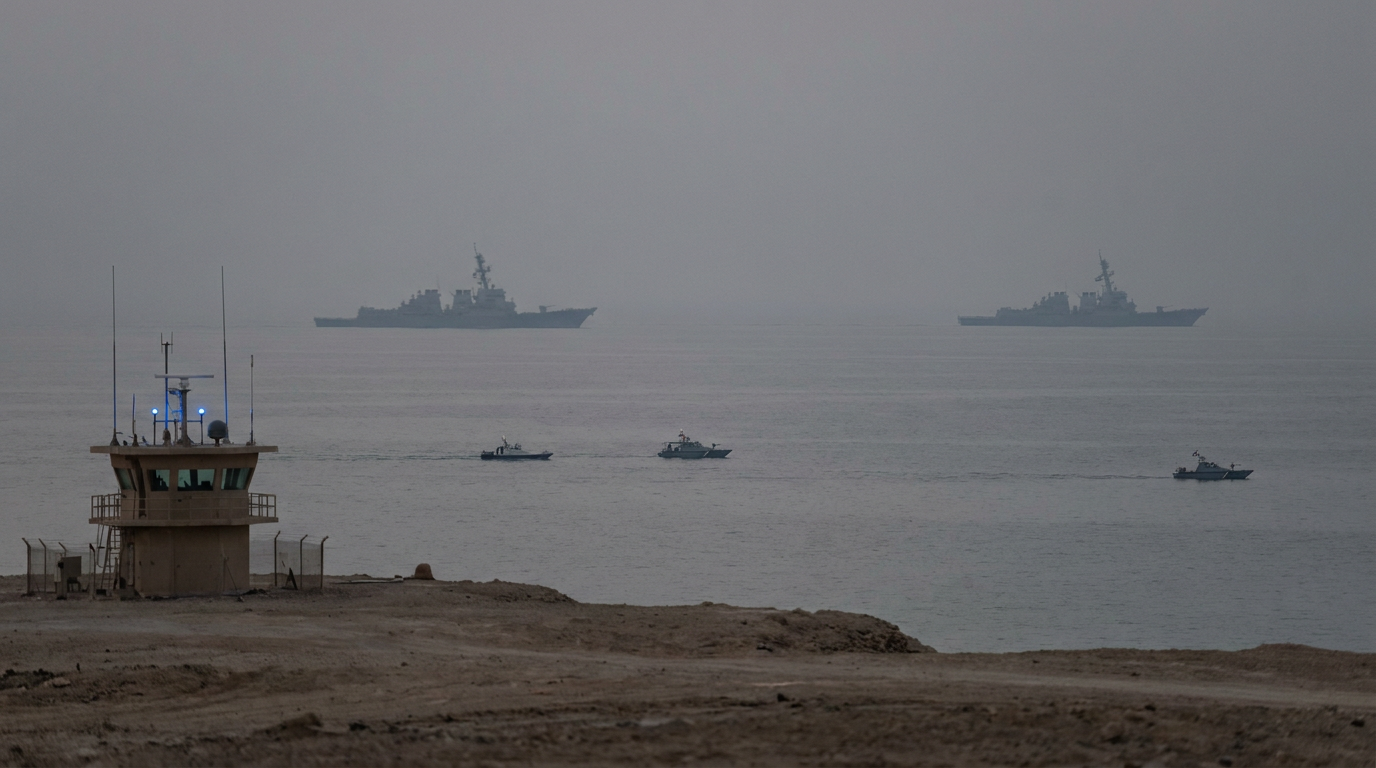
US Denies Iranian Media Claims
The United States has refuted claims from Iranian state media that its forces launched a missile attack on an American naval vessel in the Gulf of Oman. A senior U.S. official dismissed the report as false, de-escalating a situation that had briefly flared on Monday.
The unsubstantiated report originated from Iran's Fars News Agency, which cited unnamed sources. It alleged that a U.S. frigate had been struck near the Iranian port of Jask after it ignored warnings from the Islamic Republic’s navy, forcing the American ship to retreat.
Markets React to Volatility
The false report triggered immediate and significant turmoil in global markets. Brent crude futures jumped by approximately 5%, surging past $113 a barrel, while stock markets broadly declined on fears of a direct military confrontation.
These market moves began to reverse after the U.S. issued its swift denial. The incident highlighted the extreme sensitivity of energy and financial markets to security developments in the strategically vital Persian Gulf region.
A Backdrop of Heightened Hostility
The episode occurred amid an already tense atmosphere. Shortly before the missile strike rumor, another Iranian news agency, Tasnim, reported that Tehran was establishing new maritime borders. The government declared it had “redefined the control zone” within the Strait of Hormuz to regulate shipping traffic.
The developments also followed an announcement from then-President Donald Trump regarding a new U.S. military operation. The mission, dubbed “Project Freedom,” was described as a humanitarian effort to assist stranded commercial ships transiting the strait.
Project Freedom was slated to begin on Monday, with the U.S. military pledging assets to provide support. These resources included guided-missile destroyers, advanced aircraft, and surveillance drones, signaling a robust American presence in the waterway.
The rapid sequence of claims and counter-actions underscores the risk of miscalculation in one of the world's most critical maritime chokepoints. While this specific event was based on disinformation, it demonstrates how quickly regional tensions can escalate and have immediate global economic consequences.