US to Pakistan After Iran Rejects Talks
U.S. negotiators head to Pakistan on April 26, 2026, as Iran rejects direct talks and Hormuz shipping plunges, lifting energy prices.
Lauren Collins ·
U.S. negotiators are set to leave for Islamabad, Pakistan, on Saturday, April 26, 2026, as Washington pursues talks tied to an ongoing conflict that has entered its ninth week. The trip is moving forward even after Iran said its officials do not plan to meet with Americans directly, according to an Iranian foreign ministry spokesperson posting on social media.
President Donald Trump’s special envoy, Steve Witkoff, and the president’s son-in-law, Jared Kushner, are slated to be part of the U.S. effort in Islamabad. They were expected to meet Iranian Foreign Minister Abbas Araqchi, but the Iranian spokesperson said Tehran would not engage face-to-face with U.S. representatives and would instead pass its concerns through mediator Pakistan.
Defense Secretary Pete Hegseth reiterated that Iran has what he described as an opportunity for a “good deal” if it abandons nuclear weapon development in verifiable ways. Separately, President Trump said on Friday that Iran intends to present an offer that would satisfy U.S. demands, though he did not provide details. White House Press Secretary Karoline Leavitt said there had been some progress from the Iranian side and added that the administration hoped for additional movement.
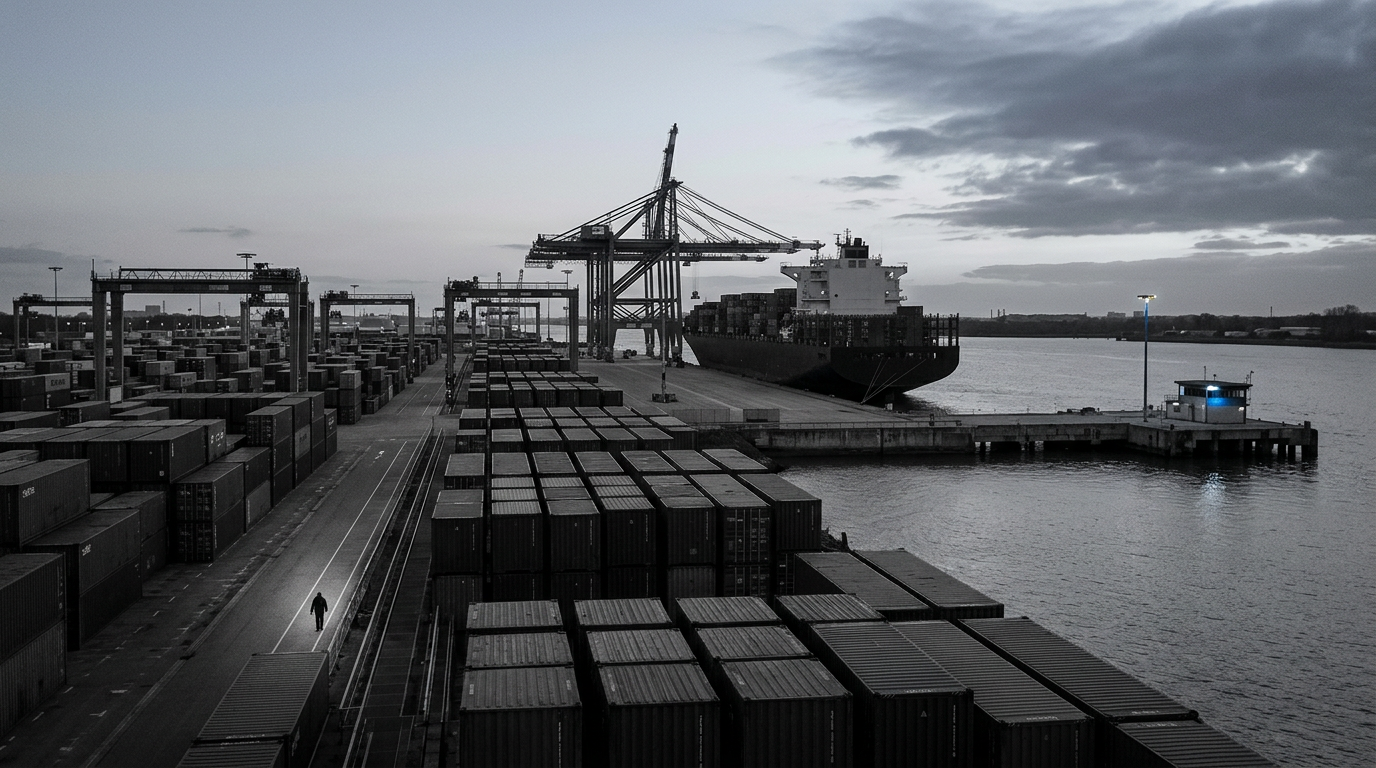
The diplomatic push is unfolding alongside major disruption in energy and shipping. Iran has largely closed the Strait of Hormuz, a key chokepoint that handles one-fifth of global oil shipments, while the U.S. is maintaining a blockade on Iranian oil exports. Officials have linked the resulting supply constraints to energy prices reaching multi-year highs, which has contributed to inflation and weighed on global growth forecasts.
Shipping data from Friday, April 25, 2026, underscored the scale of the slowdown. The data showed only five vessels transited the Strait of Hormuz in the prior 24 hours, compared with about 130 ships per day before the conflict began on February 28. The reduced traffic highlights how quickly the conflict has translated into operational constraints for global trade routes tied to energy flows.
Vice President JD Vance is also prepared to travel to Pakistan, adding senior-level weight to the U.S. delegation. The latest effort follows earlier talks in Islamabad two weeks ago that were described as inconclusive, involving Vance, Witkoff, Kushner, Araqchi, and Iran’s parliamentary speaker.
For now, a central uncertainty is whether indirect messaging via Pakistan can bridge the gap created by Iran’s stated refusal to meet U.S. officials directly. With energy markets already reacting to constrained flows through the Strait of Hormuz and restrictions on Iranian exports, the pace and format of diplomacy in Islamabad remains closely watched by governments and market participants.
Implications
Country Impact: For Pakistan, the planned meetings in Islamabad place it at the center of mediation as Iran says it will convey concerns through Pakistan rather than meet U.S. officials directly. For the United States and Iran, the format of engagement remains uncertain even as senior figures are prepared to travel.
Industry Impact: Energy and shipping are directly affected as Iran has largely closed the Strait of Hormuz and the U.S. maintains a blockade on Iranian oil exports. The source links these disruptions to multi-year highs in energy prices and knock-on effects for inflation and growth forecasts.
Market Impact: Global markets are sensitive to the sharp drop in vessel traffic through the Strait of Hormuz and to constraints on oil exports. The source states that higher energy prices have contributed to inflation and dimmed global growth forecasts, keeping attention on diplomatic developments.