US-Iran Talks Resume in Pakistan Amid Cautious Hopes
US-Iran talks resume in Pakistan as a senior US delegation meets Iran in Islamabad, with sanctions relief and nuclear limits reportedly central.
Lauren Collins ·
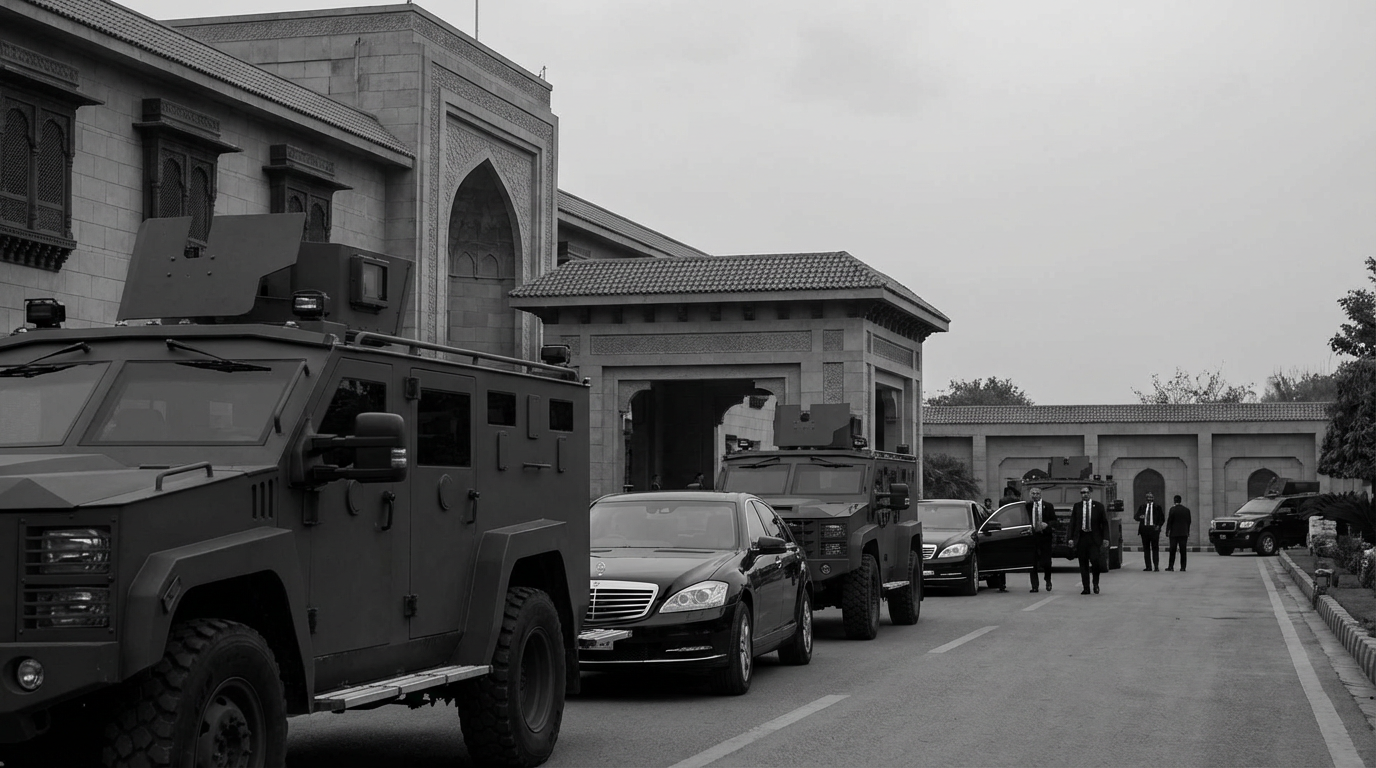
A second round of direct talks between the United States and Iran opened on Monday in Islamabad, Pakistan, as a senior American delegation arrived to continue negotiations described as sensitive. The renewed engagement is framed as a diplomatic effort aimed at easing escalating tensions in the Middle East. Pakistani officials confirmed the U.S. delegation’s arrival but did not disclose details on the schedule or the subjects under discussion.
The U.S. delegation includes Vice President Michael Vance, Special Envoy for Regional Affairs Steve Witkoff, and former senior White House advisor Jared Kushner. Their participation signals a high level of White House involvement in the process. Pakistan is hosting the meetings and is positioning itself as a neutral venue, drawing on its established relationships with both Washington and Tehran to facilitate dialogue.
The Islamabad discussions follow a clandestine first round held last month that reportedly produced a framework intended to enable more detailed negotiations. People familiar with the matter said the second meeting is expected to concentrate on two central issues: possible sanctions relief for Iran and verifiable constraints on Iran’s nuclear program. S.
officials are considering a phased approach in which certain economic sanctions could be lifted in exchange for specific, observable steps by Tehran.
One element under consideration, sources said, is expanded access for international inspectors to key nuclear facilities. The talks are also being watched closely by regional partners, and Kushner’s inclusion is described as an effort to draw on relationships developed during negotiations tied to the Abraham Accords. His reported role is to provide reassurance to Gulf allies—particularly Saudi Arabia and the UAE—about the boundaries of any potential understanding with Iran.
Officials and observers say the diplomatic track faces significant political constraints. Hardline factions in both the United States and Iran remain doubtful about engagement, and any prospective agreement would have to contend with domestic opposition in Washington and Tehran. International responses have been described as mixed but attentive, with European allies who have advocated diplomacy privately expressing support for the initiative.
Regional powers are also monitoring the process. Israel is maintaining a cautious and concerned posture and is seeking assurances that any outcome will not undermine its security. For now, expectations for public messaging remain limited, with observers watching for official statements or a joint communiqué while also noting that both sides may prefer to keep details quiet to shield the talks from external pressure.