US Envoys Back in Pakistan for Iran Discussions
U.S. delegation returns to Pakistan on June 10 for Iran talks as the June 12 ceasefire deadline nears and Hormuz shipping restrictions tighten.
Lauren Collins ·
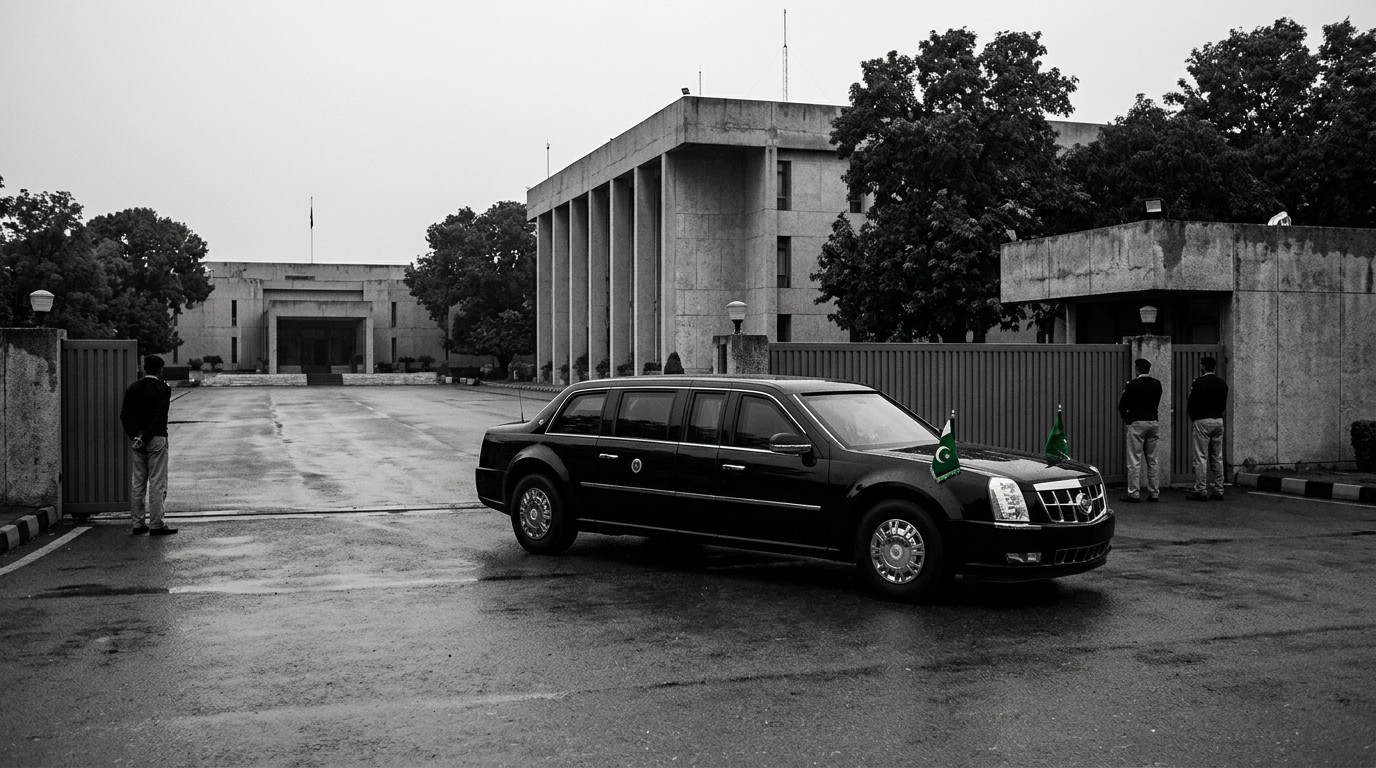
Islamabad — A U.S. delegation led by Vice President JD Vance returned to Islamabad, Pakistan, on Monday, June 10, as Washington explored possible negotiations tied to the ongoing conflict with Iran.
S. President Donald Trump renewed warnings that the United States could strike Iranian infrastructure if a peace agreement is not reached before a two-week ceasefire ends on Wednesday, June 12. Trump described the Islamabad discussions as Iran’s “last chance” to accept a deal. He said the proposed terms include reopening the Strait of Hormuz and ensuring Iran does not possess enriched uranium, and he threatened to destroy Iranian power plants and bridges if an agreement is not signed.
The talks were unfolding against a backdrop of renewed pressure on global energy and shipping routes. Iran reimposed restrictions on commercial shipping in the Strait of Hormuz on Saturday, June 8, reversing an earlier arrangement to reopen the strategic waterway. The move was described as a response to the U.S. refusal to lift its naval blockade.
The conflict is now in its eighth week and has produced thousands of casualties in Iran and Lebanon, according to the source material. Oil prices have surged amid the strait’s closure, which typically carries one-fifth of global oil trade, underscoring the economic stakes tied to any diplomatic outcome.
Iranian state media, including IRNA, reported that Tehran had not yet decided whether it would take part in the Islamabad talks. The reports cited a lack of clear prospects for negotiations that would deliver meaningful results. Iran’s chief negotiator, Mohammad Bagher Qalibaf, said a wide gap remains between the sides, while also stating there would be no retreat from diplomacy.
For markets and policymakers, the immediate focus remains on the June 12 ceasefire deadline and whether the Strait of Hormuz can return to normal commercial operations. The situation also leaves key uncertainties, including whether Iran will formally join the talks and whether the parties can narrow differences quickly enough to avoid further escalation tied to infrastructure threats and maritime restrictions.