US to Blockade Iranian Ports Starting April 13
U.S. blockade of Iranian ports begins April 13 at 10 a.m. ET, CENTCOM said; oil rose above $100 a barrel after the April 12 notice.
Lauren Collins ·
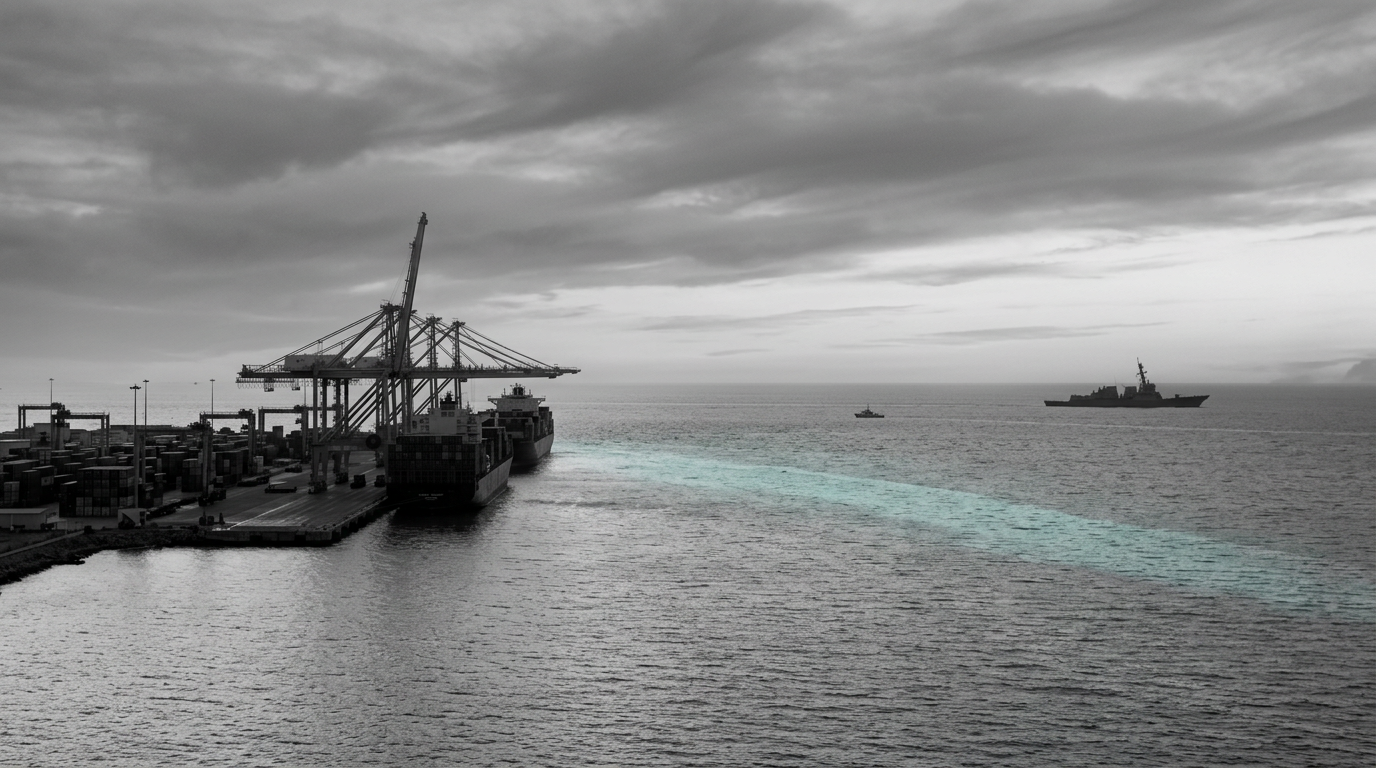
U.S. Central Command (CENTCOM) said on April 12 that the U.S. military will begin blocking maritime traffic moving to and from Iranian ports, with the measure scheduled to start on April 13 at 10 a.m. ET (1400 GMT). CENTCOM described the action as a blockade covering Iranian ports and coastal areas, including locations on the Arabian Gulf and the Gulf of Oman.
Officials said the step follows a directive from President Donald Trump concerning a naval blockade of the Strait of Hormuz. CENTCOM added that enforcement will be applied without regard to flag, stating that vessels of all nationalities entering or departing Iranian ports and coastal areas would be subject to the blockade.
At the same time, CENTCOM said its forces will not interfere with freedom of navigation for ships that are transiting the Strait of Hormuz when their routes are to or from destinations that are not in Iran. The command also said commercial mariners should receive a formal notice ahead of the blockade taking effect.
The announcement was framed by officials as tied to ongoing U.S.-Iran tensions, with CENTCOM pointing to the absence of a resolution after recent peace talks did not produce an agreement. No additional details were provided in the announcement about the talks, the terms under discussion, or what conditions might change the policy.
Market reaction was immediate. Data cited in the source material said oil prices moved above $100 a barrel on the day the blockade was announced, underscoring how quickly geopolitical developments in and around the Strait of Hormuz can feed into global energy pricing.
For global shipping and trade, the distinction CENTCOM drew between traffic linked to Iranian ports and vessels merely passing through the Strait of Hormuz to non-Iranian destinations is central to how the policy is expected to be implemented. Even with that carve-out, the planned blockade introduces operational uncertainty for shipowners, insurers, and commodity traders with exposure to Iranian port calls or coastal movements in the Arabian Gulf and Gulf of Oman.
Key unknowns remain based on what has been disclosed so far, including how inspections or interdictions would be conducted in practice, how quickly formal notices will be distributed to mariners, and how broadly “coastal areas” will be interpreted during enforcement. CENTCOM’s statement emphasized impartial application by nationality while also stating that freedom of navigation for non-Iran-related Hormuz transits would not be obstructed.