

U.S. lawmakers push limits on Chinese EV entry
U.S. lawmakers are urging limits on Chinese EV manufacturing and imports as Chinese models show strong features and global expansion accelerates.
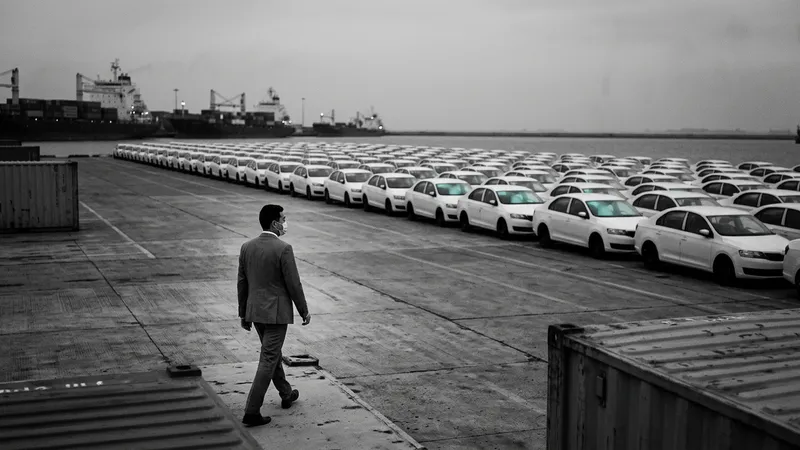
U.S. lawmakers and auto industry groups are escalating calls to restrict Chinese electric-vehicle access to the American market , citing concerns about Chinese automakers building factories in the United States and about vehicles assembled in Mexico or Canada entering the U.S. market.
On April 3, three Democratic U.S. senators aligned with auto lobby groups in urging a ban on Chinese automakers establishing manufacturing facilities in the United States. The same effort also seeks to block Chinese-assembled vehicles that could be routed through Mexico or Canada from being sold in the U.S., according to the lawmakers’ push described in the source material.
The renewed attention comes as assessments of Chinese vehicle technology highlight competitive pressure. Car-shopping website Edmunds tested a Geely Galaxy M9 hybrid SUV priced at approximately $25,000 and said the vehicle’s features exceed what is currently available to U.S. consumers. The Edmunds test was cited as an example of how Chinese EV and hybrid offerings may combine advanced capabilities with lower price points, intensifying concerns among U.S. stakeholders about market disruption.
Chinese EVs are already widely present in European markets, and many observers have pointed to their competitive edge there. The U.S. debate is unfolding against that broader global backdrop, where Chinese manufacturers have expanded their footprint and are increasingly visible in major auto markets outside China.
At the same time, Chinese manufacturers are navigating tougher conditions at home. BYD, one of the best-known Chinese EV makers, reported a seventh straight month of sales declines in March, even as its sales grew more than tenfold between 2020 and 2025. In response, BYD introduced a major battery upgrade and has been pushing overseas growth, with international sales representing 48.5% of its total in March.
BYD’s overseas push has also faced setbacks. The company was placed on a Brazilian registry for labor violations, according to the source material, adding a complication to its international expansion efforts.
In the U.S., competitive dynamics are also shifting among incumbent players. Tesla’s first-quarter deliveries were the lowest in the past year, a development described as signaling rising inventory levels for the U.S. EV maker.
These developments collectively reflect a changing global EV landscape in which Chinese manufacturers are advancing technology and pursuing aggressive market strategies, while U.S. political pressure builds for protective measures. Key uncertainties include how far U.S. restrictions could go, and how supply chains and cross-border assembly routes involving Mexico and Canada may be treated under any new approach.
Implications
Country Impact: In the United States, the push by lawmakers and industry groups signals rising political momentum for tighter limits on Chinese EV-related manufacturing and market access. The focus on vehicles assembled in Mexico or Canada highlights how North American trade routes could become central to policy decisions.
Industry Impact: For the global auto industry, the debate underscores intensifying competition as Chinese manufacturers demonstrate advanced features and pursue overseas growth. Companies expanding internationally may also face added scrutiny tied to labor and compliance issues, as illustrated by BYD’s placement on a Brazilian registry for labor violations.
Market Impact: For global markets, the situation points to heightened policy risk around EV supply chains and cross-border production, particularly involving North America. The combination of BYD’s domestic pressure and Tesla’s lowest first-quarter deliveries in the past year reflects shifting competitive conditions across major EV players.
More stories
- Houthis claim Riyadh airport strike as injuries reported
- Germany Reaffirms Russia Sanctions Amid Potential US Policy Shift
- China beats Thailand 2-0 to reach junior badminton final
- Russia and China Block US Push for Nationwide Sudan Arms Embargo
- Report of US pressure on Israel over Iran strikes tests Washington posture
- Trump administration sanctions International Criminal Court
- Pope Leo XIV condemns Trump’s Iran threat
- Taiwan KMT leader Eric Chu visits China for talks
- US Airman Rescued After F-15E Shot Down Over Iran
- US Pilot Rescued from Iran Amid Rising Tensions