

UN Condemns Israeli Threat of Gaza Population Displacement
The UN Human Rights Office on Tuesday condemned Israeli threats to displace Gaza residents over kite-flying incidents, citing international law violations.
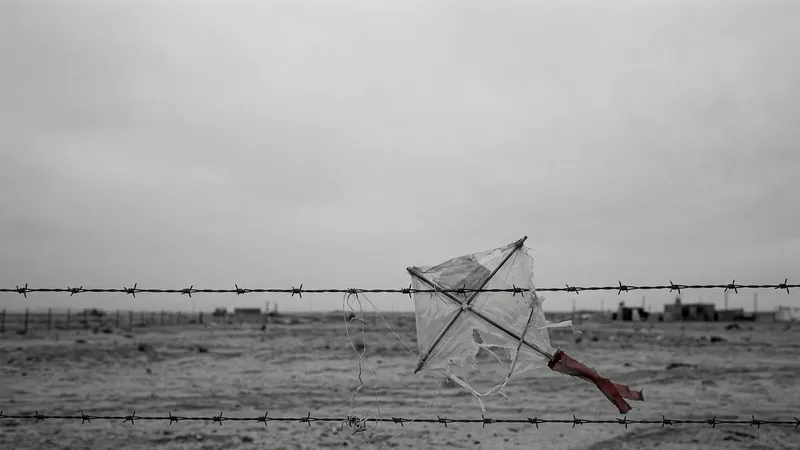
The United Nations Office of the High Commissioner for Human Rights (OHCHR) issued a strong rebuke on Tuesday following statements from Israeli officials threatening the forced removal of Palestinian inhabitants from certain areas within the Gaza Strip. These threats were made in response to children flying kites, which Israeli authorities have described as security concerns.
The UN's condemnation references a joint declaration made on Sunday by Israeli Prime Minister Benjamin Netanyahu and Defense Minister Israel Katz. The two leaders explicitly stated their intent to escalate military actions and evacuate populations from zones used for launching kites, drones, or balloons toward Israeli territory. The Israeli government has characterized these launches as security threats, indicating they would trigger direct military responses against those deemed responsible.
International Law and Civilian Protection
The OHCHR emphasized that the forced displacement of civilians constitutes a serious breach of international humanitarian law. Such actions are widely considered war crimes, particularly if they are not justified by imperative military necessity. The UN body underscored the critical principles of proportionality and the protection of civilians in conflict zones.
Reports suggest that some kites have entered southern Israeli communities over the past month. However, local assessments indicate these devices did not carry incendiary payloads. This distinction is significant, as the rhetoric employed by Israeli officials has drawn comparisons to protests in 2018, which frequently involved incendiary devices launched from the enclave, leading to considerable escalations in hostilities.
Local Reactions and Broader Tensions
In response to the Israeli warnings, popular committees within Gaza have advised parents to deter children from engaging in kite-flying activities. This measure is intended to prevent potential military escalation and safeguard the civilian population. Officials from Hamas have rejected the Israeli characterization of these activities, asserting that they do not constitute armed operations.
This latest diplomatic friction unfolds against a backdrop of ongoing and stalled ceasefire efforts in the region. The Gaza Ministry of Health has reported that over 1,280 Palestinians have been killed since October. The humanitarian situation in the territory remains dire, with continued international calls for de-escalation and adherence to international law.
The persistent tension in the region, exacerbated by such official statements, poses significant challenges to stability and peace initiatives. The UN's intervention highlights the international community's concern over actions that could lead to further displacement and suffering among Gaza's population. It also serves as a reminder of the intricate legal and ethical considerations in the Israeli-Palestinian conflict, especially regarding civilian protection and how security threats are interpreted.
More stories
- Houthis claim Riyadh airport strike as injuries reported
- Germany Reaffirms Russia Sanctions Amid Potential US Policy Shift
- China beats Thailand 2-0 to reach junior badminton final
- Russia and China Block US Push for Nationwide Sudan Arms Embargo
- Report of US pressure on Israel over Iran strikes tests Washington posture
- Trump administration sanctions International Criminal Court
- UK Launches Youth Placements Amid Rising Energy Cap
- China Vows Retaliation Over US Iran Sanctions Impacting Its Entities
- US Tightens Robotics Import Curbs to Block Chinese Investment
- Australian Inflation Surges Past Forecasts, Fuels Rate Hike Debate