Pope Leo XIV condemns Trump’s Iran threat
Pope Leo XIV condemned Trump’s Iran threat on April 7, 2026, calling it “truly unacceptable” and urging global action for peace.
Lauren Collins ·
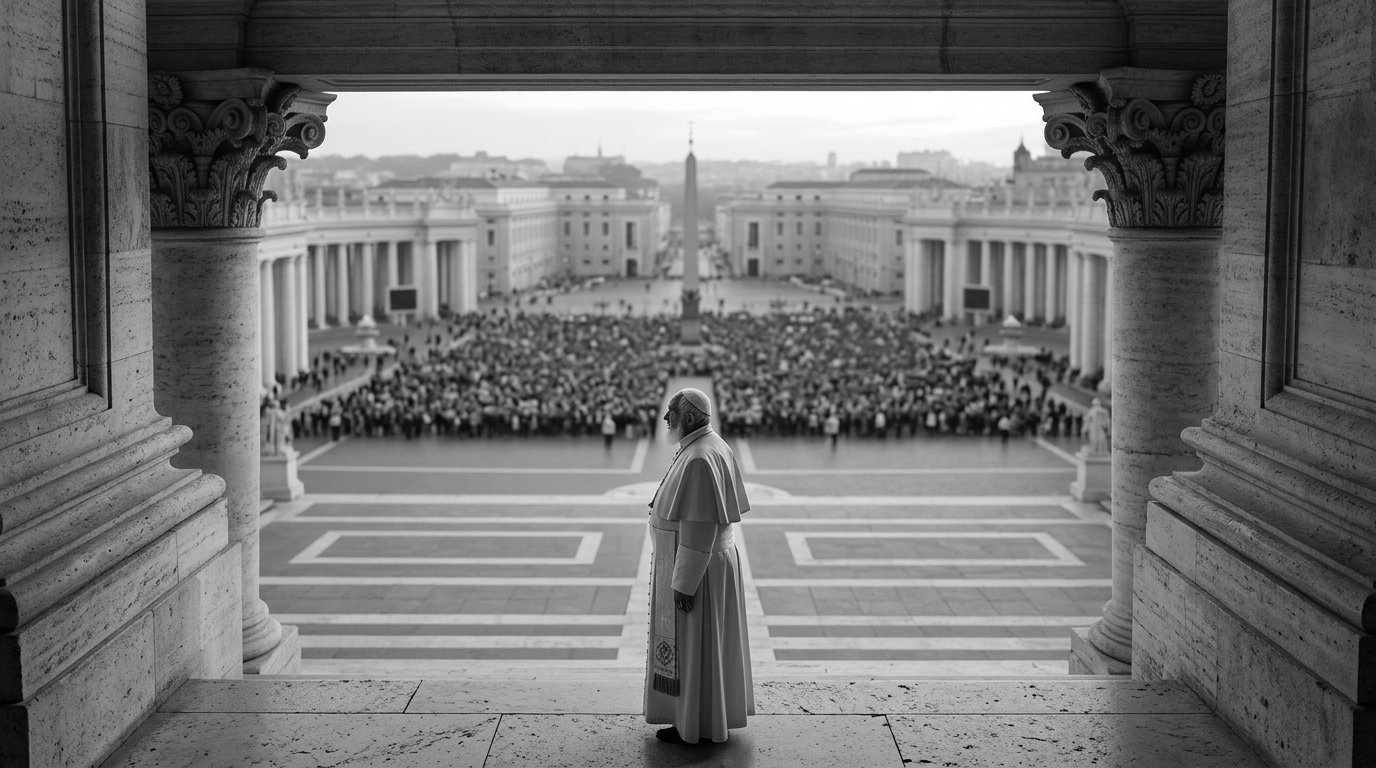
Pope Leo XIV on Tuesday, April 7, 2026, in Castel Gandolfo, Italy, publicly criticized U.S. President Donald Trump’s threat directed at Iran, calling it “truly unacceptable.” The pontiff’s remarks came after a social media post by Trump that said “a whole civilization will die tonight” in reference to Iran, a message that officials and observers said added to already heightened tensions tied to the ongoing U.S.-Israeli conflict with Iran.
Speaking as the leader of 1.4 billion Catholics worldwide, Pope Leo XIV framed the issue as a moral matter that, in his words, concerns the good of people everywhere and goes beyond questions of international law. He also pointed directly to the protection of civilians, saying that attacks on civilian infrastructure violate international law, and he referenced Trump’s threats to destroy Iranian bridges and power plants.
The Pope’s public rebuke of a sitting world leader was described as an unusual step, even as he has increasingly voiced concern about the conflict. In his comments, he emphasized the human cost of continued warfare, highlighting the suffering of innocent children, the elderly, and the sick as victims of the fighting.
Pope Leo XIV also appealed to the public to take action through political channels. He urged citizens around the world to contact their political representatives to advocate for peace and to push for an end to what he described as an expanding regional conflict.
In addressing how the conflict is being discussed, the pontiff noted that many refer to it as an “unjust war.” He linked that characterization to the Catholic Church’s pro-life teachings, presenting the protection of life and the avoidance of harm to non-combatants as central concerns in his appeal.
The episode places renewed attention on the intersection of global politics, public messaging by political leaders, and the role of religious authorities in international debates. While the Pope’s statement did not outline specific diplomatic steps, it underscored the importance he places on civilian protection and on public pressure for de-escalation.
Key uncertainties remain around how political leaders and governments will respond to the Pope’s call, and whether public appeals will translate into policy changes. The conflict’s trajectory, and the extent to which threats against infrastructure or broader civilian harm may be acted upon, were not addressed beyond the Pope’s condemnation and his appeal for peace.