U.S. Military Strikes Pacific Vessel, 3 Killed
U.S. military said an April 16, 2026 strike in the Eastern Pacific killed three accused narco-traffickers, drawing renewed rights criticism.
Lauren Collins ·
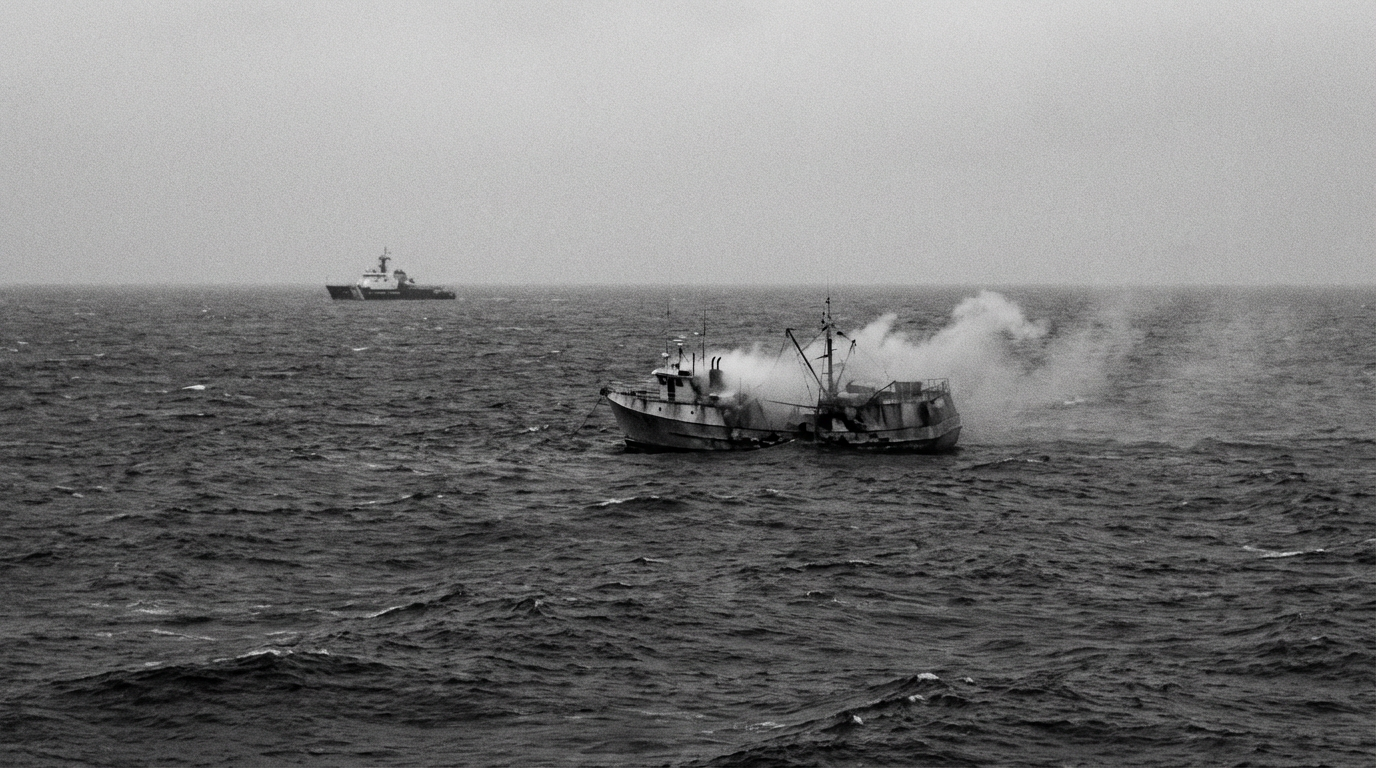
The United States military said on Wednesday, April 16, 2026, that it carried out an attack in the Eastern Pacific that left three people dead. Officials described the dead as individuals accused of narco-trafficking, in what the military framed as part of an ongoing campaign targeting suspected drug-smuggling activity at sea.
U.S. Southern Command said the vessel that was hit was being operated by unnamed “Designated Terrorist Organizations.” The command added that the operators were using established narco-trafficking routes in the region, and presented the strike as one of several actions aimed at disrupting maritime flows linked to drugs bound for the United States.
The April 16 operation followed two other strikes in the Eastern Pacific earlier in the same week, according to the military. Officials said those two incidents resulted in four deaths in one strike and two deaths in the other, underscoring what they described as a sustained tempo of operations in recent months.
Officials also pointed to a broader tally since September: U.S. attacks on vessels suspected of drug trafficking have resulted in at least 178 fatalities. The campaign was initiated under orders from then-President Donald Trump, according to the account provided, with the stated goal of countering Latin American cartels moving drugs toward the U.S.
Human rights organizations have criticized the strikes. Human Rights Watch and the American Civil Liberties Union described the operations as “extrajudicial killings” and “unlawful,” arguing that people suspected of drug trafficking should be handled through legal proceedings rather than lethal force.
Critics have also questioned the effectiveness of maritime strikes in addressing the drug flows that U.S. officials have highlighted, particularly fentanyl. They argue that fentanyl, a primary concern cited in the debate, is often trafficked overland from Mexico, raising questions about how much impact sea-based operations can have on that specific supply route.
What remains unclear from the military’s statement is the evidentiary basis used to identify the targeted vessel’s operators and the process used to determine that the individuals killed were involved in narco-trafficking. The identities of the “Designated Terrorist Organizations” referenced by U.S. Southern Command were not provided, and no additional details were included about the circumstances of the strike beyond the location and the reported deaths.