US-Iran War Deal Stalled, Hormuz Strait Risks Grow
US-Iran nuclear talks face significant hurdles as diplomacy stalls and regional tensions escalate, threatening a fragile ceasefire.
Lauren Collins ·
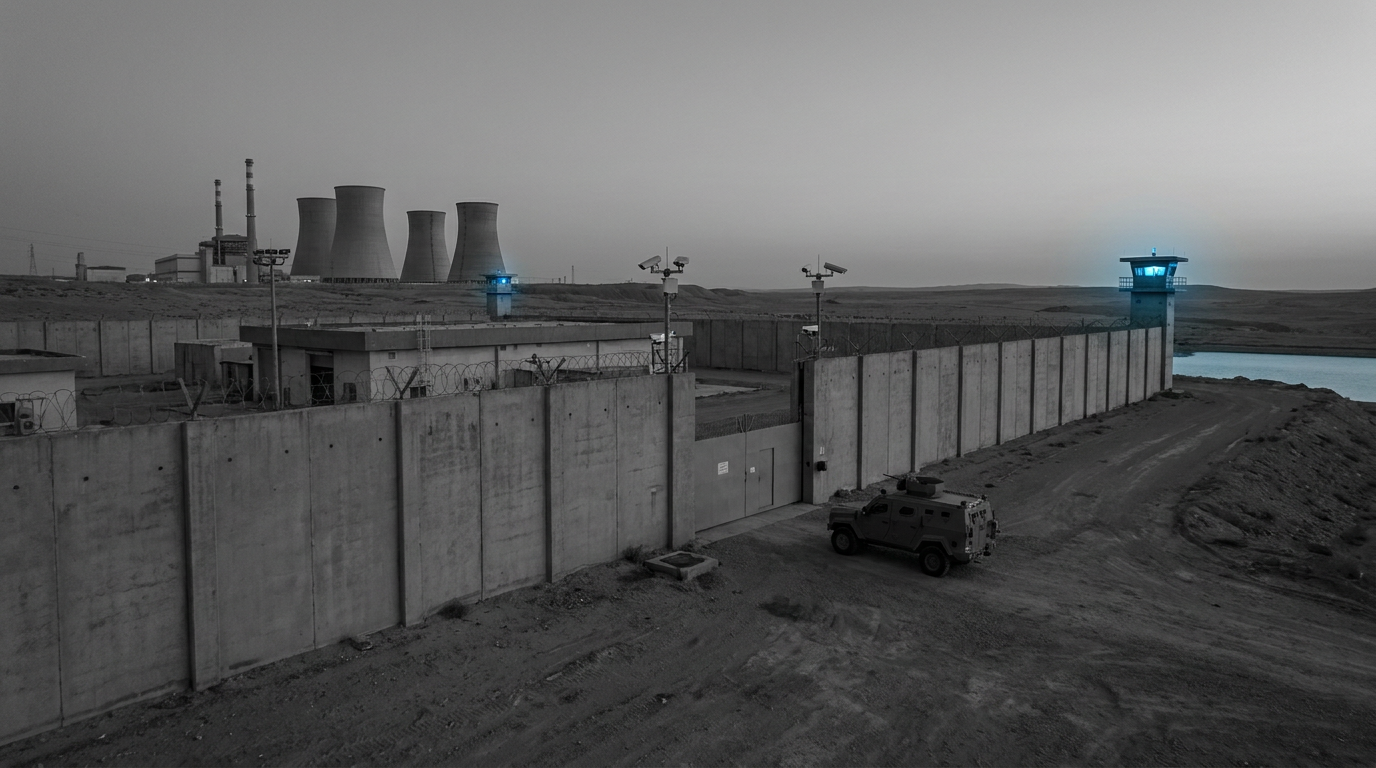
Diplomatic efforts to resolve the ongoing conflict between the United States and Iran have stalled, with both sides reportedly far from an agreement to end hostilities and ensure the security of the vital Strait of Hormuz. The critical juncture in negotiations follows a recent drone incident at a United Arab Emirates nuclear facility, which has sharply illuminated the potential for broader regional instability even as a ceasefire holds.
Stalemate in Diplomatic Channels
Reports suggest a significant gap remains between Washington and Tehran regarding the terms for a peace deal. While specifics remain unconfirmed, Iranian media cited by Fars News Agency indicated that the US has outlined key conditions for lifting sanctions and normalizing relations. These reportedly include the transfer of enriched uranium out of Iran and the unfreezing of a limited portion of Iranian assets held abroad.
Conversely, Iran's Mehr News Agency characterized the US proposals as lacking substantial concessions, suggesting that Washington is seeking to gain through diplomacy what it could not achieve through military pressure. This disparity in perceived demands has contributed to a deadlock in the current round of discussions, hindering progress toward a lasting resolution.
Mounting Pressure and Threat of Renewed Conflict
US President Donald Trump has publicly expressed growing impatience with the pace of negotiations. Trump conveyed a stern message, emphasizing that time is running out for Iran to meet US demands, implying severe consequences should an agreement not be reached promptly. He indicated his administration is awaiting a revised proposal from Iran, reiterating that failure to reach satisfactory terms could lead to intensified military action.
The administration has been actively engaged in high-level discussions concerning the conflict. President Trump convened meetings with key advisors, including Vice President JD Vance, envoy Steve Witkoff, Secretary of State Marco Rubio, and CIA Director John Ratcliffe, to assess the situation and strategize next steps. Further national security discussions are scheduled for Tuesday.
Regional Security Concerns Magnified
The fragility of the current situation was underscored by a recent drone attack that reportedly caused a fire at a nuclear power plant in the United Arab Emirates. Although the extent of the damage and the perpetrators remain under investigation, the incident serves as a stark reminder of the volatile security environment surrounding the Persian Gulf.
Such events heighten concerns over the potential for miscalculation and escalation, particularly impacting vital shipping lanes like the Strait of Hormuz.
Since the current ceasefire took effect on April 8, President Trump has repeatedly alluded to the possibility of resuming the bombing campaign that commenced on February 28. The persistent threat of renewed hostilities looms over the diplomatic process, creating a tense backdrop for ongoing efforts to de-escalate and achieve a peaceful resolution.