US-Iran Talks: Islamabad Eyed for Swift Restart
U.S.-Iran talks may resume in Islamabad within two days, Trump said, as Pakistan seeks a meeting before the April 22 ceasefire deadline.
Lauren Collins ·
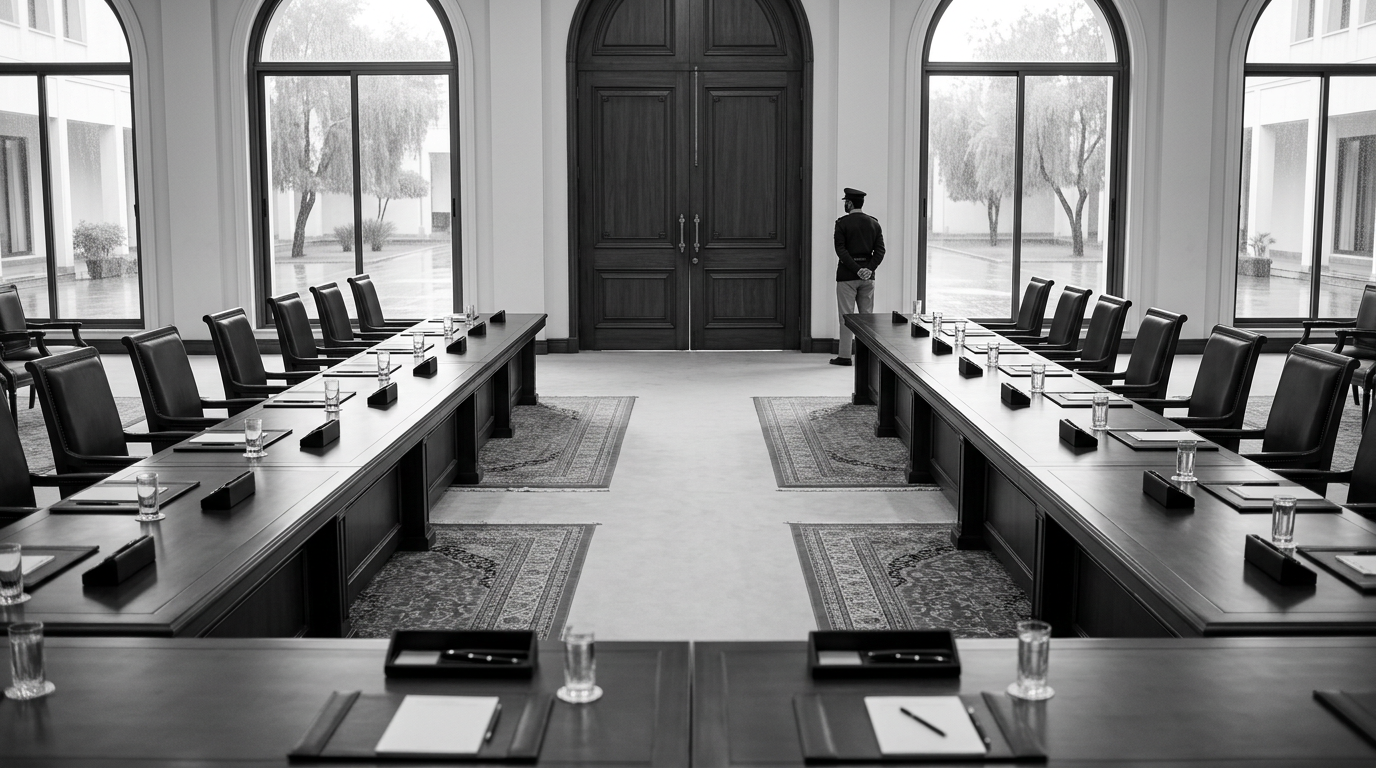
U.S. President Donald Trump said on Tuesday that peace talks between the United States and Iran could restart in Islamabad, Pakistan, within the next two days. The announcement follows an initial round of ceasefire negotiations held over the weekend that ended without a final agreement.
Trump pointed to Pakistan’s army chief, Field Marshal Asim Munir , as a key facilitator of the discussions. Pakistani officials also said they expect the talks to resume soon, potentially within a few days, as Islamabad works to set a meeting before a two-week ceasefire expires on April 22 .
The earlier negotiations ran for 21 hours and ended when U.S. Vice President JD Vance withdrew. Trump said Vance left after Iran did not provide an affirmative commitment that it would not pursue nuclear weapons, a point that became central to the breakdown.
After the talks collapsed, the United States imposed a naval blockade on ships using Iranian ports in the Gulf, according to the account provided. Iran, for its part, maintained a near-total closure of the Strait of Hormuz , a major maritime route for global energy shipments.
Officials described the main dispute in the weekend talks as the U.S. demand for a 20-year suspension of Iran’s uranium enrichment. Iran was reported to have offered a shorter pause of less than 10 years , leaving a wide gap between the two positions.
Another unresolved issue is the status of negotiations over Iran’s stockpile of highly enriched uranium . The source material describes this as a critical point still in question, alongside the broader disagreement over enrichment limits.
For markets and governments, the timeline is now tied to whether Islamabad can convene the parties before April 22 . The combination of a U.S. naval blockade affecting shipping linked to Iranian ports and Iran’s near-total closure of the Strait of Hormuz places immediate attention on maritime trade conditions in the Gulf while diplomatic efforts continue.
Key uncertainties remain, including whether Iran will provide the affirmative commitment sought by the United States regarding nuclear weapons, and whether the sides can bridge the gap between a 20-year enrichment suspension and a moratorium of under 10 years . It is also unclear how the issue of Iran’s highly enriched uranium stockpile would be handled if talks resume.