China role in Iran conflict flagged by U.S. intelligence
China role in Iran conflict is under scrutiny after U.S. officials cited intelligence on possible missile shipments and other support.
Lauren Collins ·
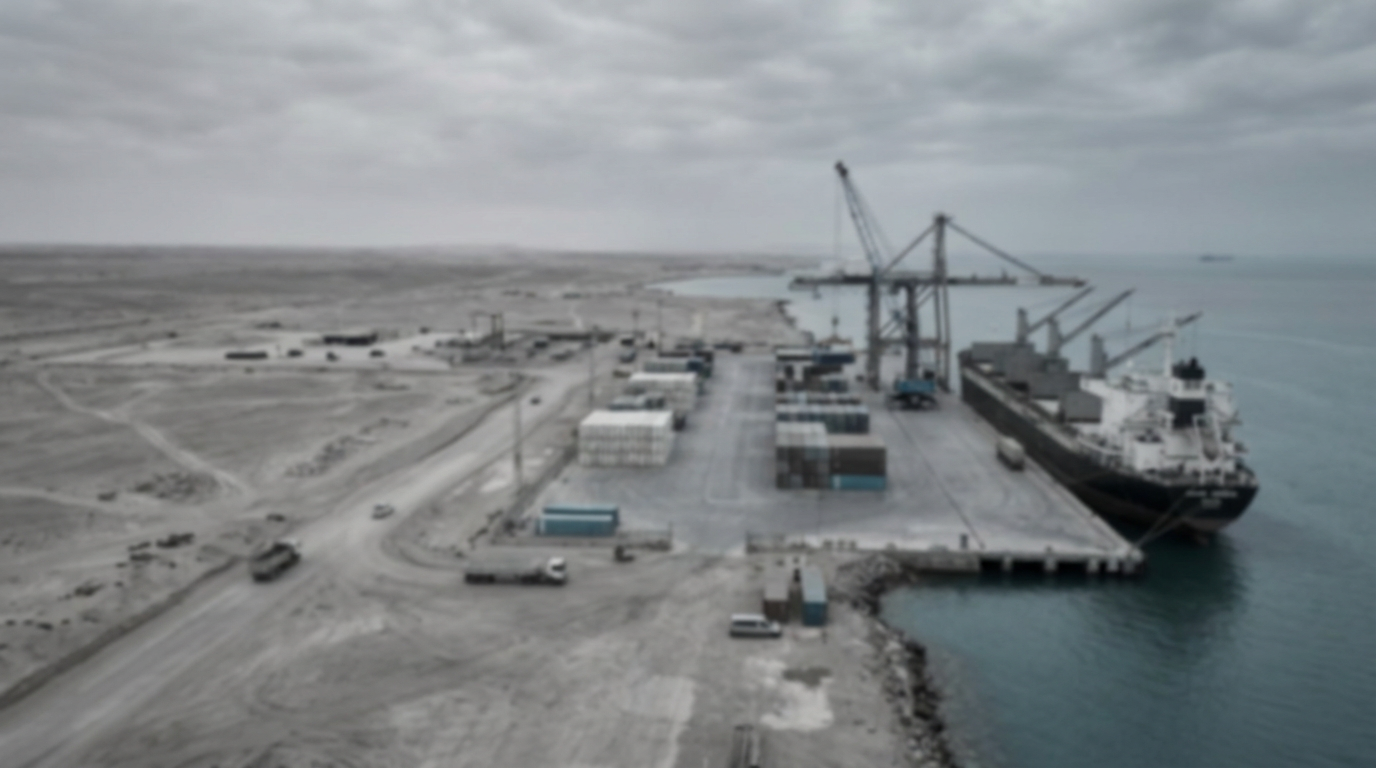
U.S. intelligence agencies have collected information indicating China may have recently shipped shoulder-fired missiles to Iran amid Iran’s ongoing conflict with the United States and Israel, according to U.S. officials. The officials described the reporting as a sign Beijing could be taking a more active role in the Middle East conflict than previously seen, after what they characterized as earlier reluctance to provide Iran with finished military equipment.
The intelligence, as described by U.S. officials, is not presented as conclusive on whether any shipment was completed or whether such missiles have been used. Even so, U.S. assessments cited by officials say China is covertly enabling transfers to Iran that include chemicals, fuel, and components used in military production. The officials framed these activities as part of a broader pattern of support that could affect the pace and scale of Iran’s capabilities during the conflict.
Separately, U.S. intelligence is also observing Russia providing satellite intelligence to Iran’s Islamic Revolutionary Guard Corps, U.S. officials said. The officials said this support is intended to help with targeting U.S. assets in the Middle East. Taken together, the reported intelligence points to a widening set of external inputs into the conflict environment, even as the specific details and operational outcomes described by officials remain uncertain.
The alleged Chinese support is emerging at a politically sensitive moment for U.S.-China relations, ahead of a planned summit between President Trump and Chinese President Xi Jinping. U.S. officials indicated the timing raises the stakes for diplomatic engagement, given that the intelligence touches on security issues involving U.S. forces and regional stability. The situation also intersects with broader U.S. concerns about the flow of military-related materials into active conflict zones.
China’s embassy in the U.S. has denied the claims, stating that China has not provided weapons to any party in the conflict. Publicly, China’s rhetoric on the conflict has largely remained neutral, according to the information provided, even as it maintains significant economic ties with Iran. Those ties include China purchasing approximately 90% of Iran’s exported oil, a relationship that links the dispute to energy trade and commercial interests.
What remains unclear, based on the information described by officials, is whether the reported missile shipment occurred, whether any such weapons reached operational units, and how the alleged transfers of chemicals, fuel, and components are being routed. Officials also did not present definitive details on the scope or duration of Russia’s satellite intelligence support beyond its stated purpose. S. officials and China’s embassy leave key elements dependent on further verification.