Pope Leo urges Trump to seek Iran war 'off-ramp'
Pope Leo urged Trump on April 1, 2026 to find an Iran war “off-ramp,” after months of restraint and a sharp warning two days earlier.
Lauren Collins ·
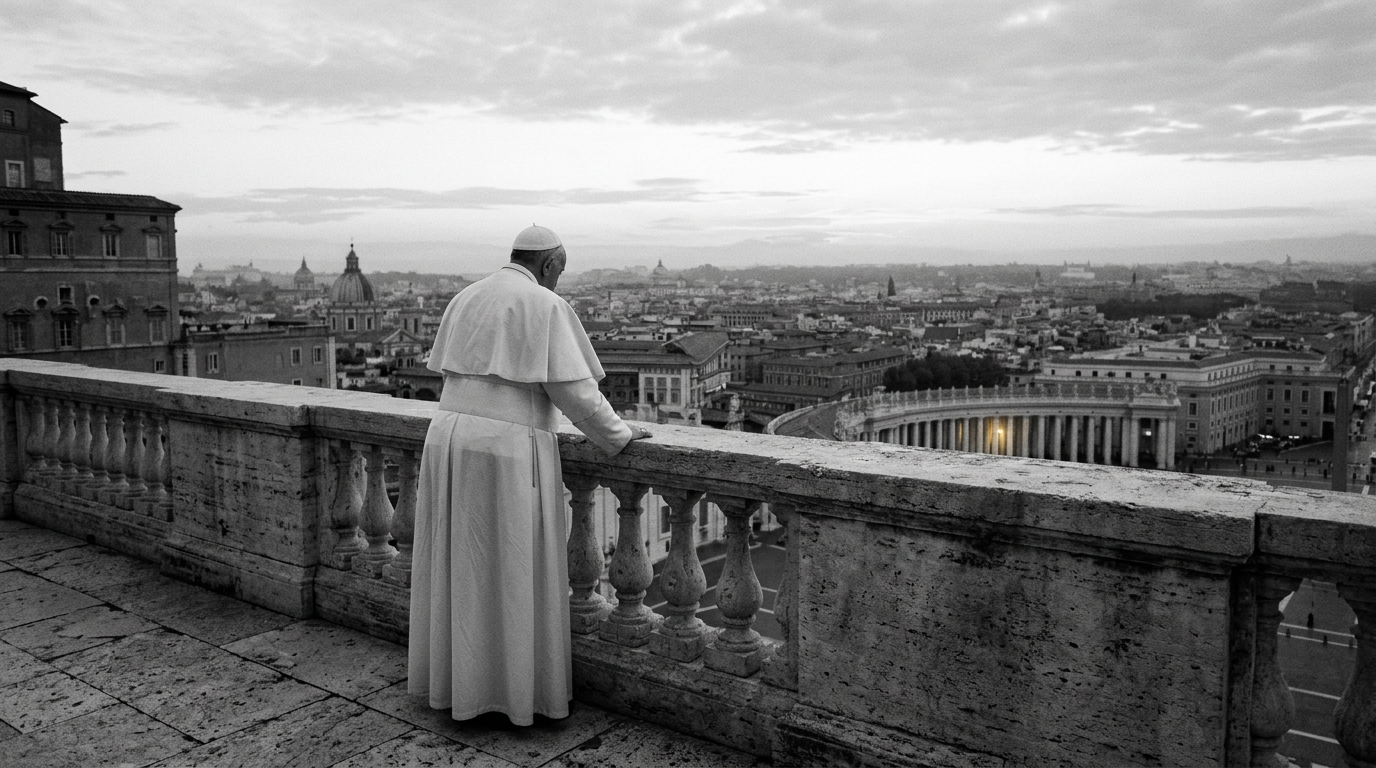
Pope Leo XIV , the first U.S. leader of the global Catholic Church, has publicly challenged U.S. President Donald Trump over the ongoing Iran war, in a move that marks a notable change in how he has addressed U.S. politics since becoming pontiff.
On Tuesday, April 1, 2026 , Pope Leo made a direct appeal to Trump to reduce tensions and look for an “ off-ramp ,” using a distinctly American expression. The intervention came after ten months in which the pope largely avoided commenting on U.S. domestic political debates or naming the president in public remarks.
Observers described the moment as a shift into a more openly engaged phase of Pope Leo’s papacy. Experts cited in the account said the pontiff appears to be positioning himself as a moral counterweight to Trump’s foreign policy approach as the conflict with Iran continues.
The pope’s direct message followed earlier, sharper language delivered two days before the April 1 appeal. In those remarks, Pope Leo said that God rejects the prayers of leaders who start wars and have “ hands full of blood .” Some listeners interpreted that statement as a rebuke aimed at U.S. Defense Secretary Pete Hegseth , who has used Christian rhetoric to defend joint U.S.-Israeli strikes on Iran .
The White House responded through spokesperson Karoline Leavitt , who defended the right of military leaders and the president to call for prayer for service members. The exchange placed the Vatican’s moral language alongside Washington’s defense of its leadership’s public religious appeals, underscoring how the war is reverberating beyond the battlefield into political and religious arenas.
Pope Leo’s latest comments also connect to earlier points of friction with Trump. The account notes that the pontiff previously criticized the administration’s hardline immigration policies, and that he oversaw a major change in U.S. Catholic leadership in December 2025 , including the replacement of conservative Cardinal Timothy Dolan as archbishop of New York.
While the pope’s language has been interpreted in different ways, the Vatican has not been described here as issuing a formal policy directive, and the White House has not indicated any change in course in response. What remains uncertain is whether this more direct papal engagement will continue as the Iran war persists, or whether it will remain limited to appeals for de-escalation and moral warnings directed at political leaders.