

Iraq Faces Critical Stability Crisis as Iran-Backed Militias Target State Infrastructure and Personnel Drug
Iraq stability risks rose after reported militia attacks and a March 13 Baghdad strike targeting KH leader al-Hamidawi, amid over 180 assaults since Oct 7.
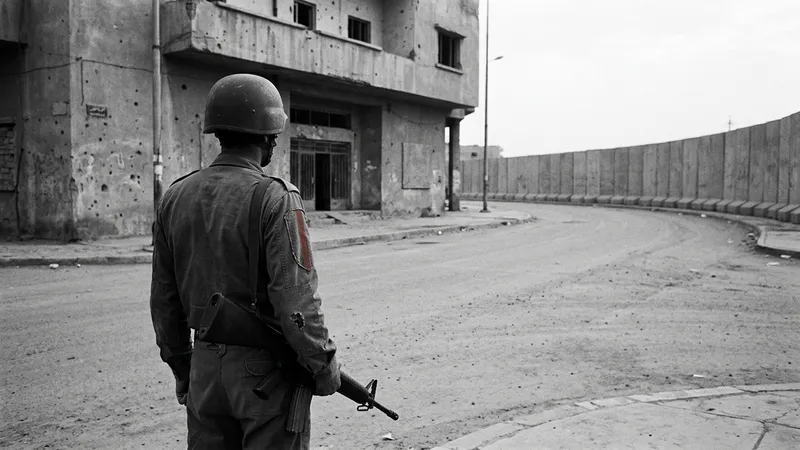
Iraq is facing a heightened stability challenge as Iran-backed militias expand attacks on both foreign forces and Iraqi state-linked targets, while the United States continues strikes on militia positions. A residential blast in Baghdad’s Karrada area on March 13, widely described in reports as a U.S. strike, was said to have targeted Abu Hussein al-Hamidawi, the leader of Kata'ib Hizballah (KH). Reports said three people were killed and that Hamidawi suffered minor injuries.
The March 13 incident came amid rising regional tensions and an uptick in militia activity inside Iraq. Since October 7, 2023, Iraqi militias including KH, Harakat al-Nujaba, and Kataib Sayyid al-Shuhada have carried out more than 180 attacks against U.S. personnel and military sites, according to the source material. The same groups, described as ideologically aligned with Tehran, have also struck Iraqi oil and gas infrastructure, military facilities, and civilian areas.
Reported targets have included airports in Baghdad and Erbil, underscoring the breadth of pressure on Iraq’s security environment and key transport nodes. Among incidents cited, a drone strike on March 12 killed a French military officer, and a separate strike killed a Kurdish security officer. On March 21, militias attacked the headquarters of the Iraqi National Intelligence Service, causing one death and damaging communications systems, according to the account.
The Iraqi government is described as caught between two high-risk options : attempting to absorb these armed groups into state structures, which could weaken central authority, or confronting them directly, which could trigger violent internal conflict. The source notes that some militias, including the Badr Organization, have become embedded in Iraq’s political and economic landscape.
More hardline factions, however, are portrayed as operating outside state control while maintaining strong ties to Iran.
In parallel, the United States has carried out regular strikes against militia sites as part of a broader campaign against Iran-supported groups. Those strikes have drawn criticism from the Iraqi government, particularly after an incident in which seven Iraqi army members were killed in a strike, according to the source material. The competing pressures highlight the difficulty for Baghdad in balancing sovereignty concerns, internal security, and relations with external partners.
On March 27, the United States and Iraq established a new High Joint Coordination Committee aimed at easing tensions. Officials have not determined whether the mechanism will reduce militia operations, and the source material says the ultimate impact on militia activity remains unclear. For markets and international stakeholders, the reported attacks on oil and gas infrastructure and airports keep attention on operational risk in Iraq and on the wider regional security backdrop.
More stories
- Burnham says Brexit vote faced Russian meddling in 2016
- Russian strikes hit Ukraine plants after Trump ceasefire statement
- Saudi flights divert after Dammam airport targeted
- US said to threaten Ukraine weapons, intelligence aid
- Riyadh airport hit again as Trump weighs US role
- Houthis hit Riyadh airport after 12 killed
- Pope Leo urges Trump to seek Iran war 'off-ramp'
- Hormuz Crisis: UK Leads 35-Nation Talks Without US
- One Month After Targeted Strikes, Iranian Regime Shows Resilience Despite Loss of Leadership
- Over 3,300 No Kings Rallies Sweep All 50 States Against Trump Administration Policies