

US households face Iran war costs as fuel bills stay high
AAA puts US gasoline prices 45% above their prewar level as the Iran war’s uneven costs weigh on households before midterm elections.
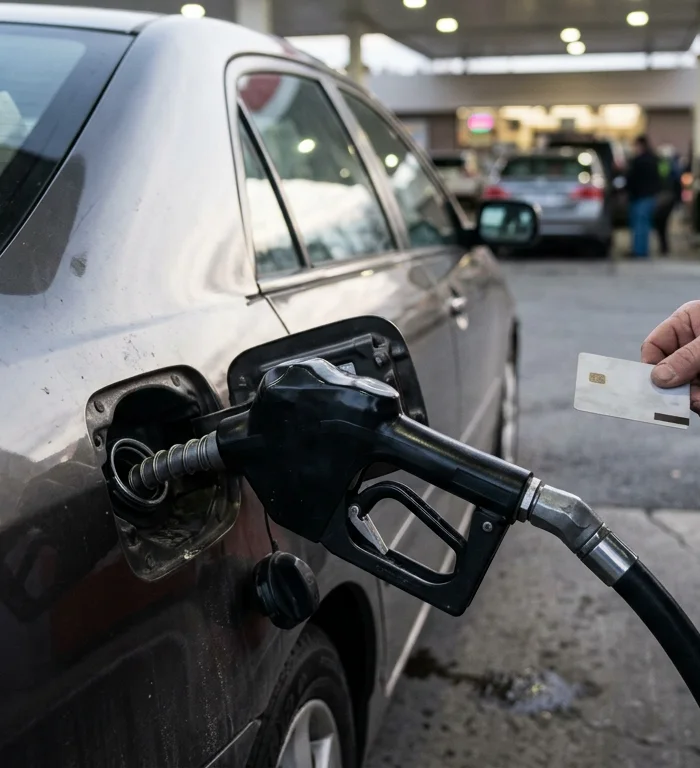
AAA puts US gasoline prices 45% above their prewar level as the Iran war's uneven costs weigh on households before midterm elections.
The difference between transport bills and store prices is central to the pressure facing consumers. Drivers and travelers have already paid more, while Cornell University economics professor Chris Barrett suspects grocers are accepting higher costs rather than passing them through fully.
Moody’s Analytics chief economist Mark Zandi estimated this week that war-related costs per household approach $2,000: $1,100 for energy, $540 from higher interest rates and $360 for military spending. His calculation puts the additional weekly energy burden at $50 if current fuel prices persist.
Fuel bills outpace store prices
AAA reported Friday that regular gasoline averaged $4.33 per gallon nationally, compared with $2.98 before hostilities. Diesel reached $6.33, up 68% from $3.76; its use in freight transportation extends the exposure beyond motorists.
Airlines face a similar cost increase: the International Air Transport Association put September’s global jet-fuel average near $195 per barrel, compared with $99 before fighting began. September’s consumer price index recorded airfares about 22% above their year-earlier level.
United Airlines has removed some flights from its December schedule and warned that additional reductions are possible in 2027. If those cuts reduce seat availability, passengers would have fewer alternatives when comparing fares, even if fuel becomes cheaper.
Grocers face costs beyond oil
The U.S. Department of Agriculture now forecasts grocery inflation of 2.4% for 2026, against its initial 1.7% projection. That revision does not isolate the war’s contribution: tariffs, weather and wages also affect food costs.
Barrett said the relatively limited grocery increases surprised him given rising expenses for diesel, fertilizer and refrigeration. Compared with earlier estimates, USDA increased projected fertilizer expenses for major crops by 9%–13% and estimates covering fuel, lubricants and electricity by 33%–41%.
Consumers nevertheless enter this period with little relief from previous increases: September grocery prices stood roughly 22% above their level five years earlier. The U.N. Food and Agriculture Organization warned that a strengthening El Niño could damage crops, although plentiful stocks and stronger harvests elsewhere could restrain the effect.
Oil exposure also reaches footwear through materials, not just shipping. Footwear Distributors and Retailers of America says approximately 70% of synthetic-shoe materials are petrochemical-based; consumer price data showed footwear prices increased 3.4% from a year earlier in September.
Delivery charges may resist cheaper fuel
September producer-price figures showed businesses paid 10.2% more for transportation and warehousing inputs than a year earlier. Those figures measure suppliers’ charges, however, not the portion ultimately included in shoppers’ bills.
The U.S. Postal Service increased base rates for several package services by 8% in April, citing transport expenses. UPS, FedEx and DHL also apply fuel-related surcharges to many deliveries, creating another route through which energy costs reach customers.
AFS Logistics and TD Cowen forecast record parcel expenses this quarter, alongside truckload rates unmatched since early 2022. AFS Logistics CEO Andy Dyer said: “We expect fuel to drive elevated transportation costs for the foreseeable future.”
If oil prices retreat, AFS says UPS and FedEx fuel surcharges could fall, but revised charging formulas, seasonal fees and limited trucking capacity could sustain total delivery costs. If fuel instead stays expensive, the unresolved issue is how much more businesses can absorb before raising consumer prices, extending pressure on household budgets and inflation.
More stories
- CoreWeave gains ARK backing as borrowing concerns persist
- Meta credits Apple for 816bn-parameter AI model on Mac Studio
- UBS raises Microsoft target to $675 before earnings
- Aemet warns of 300 l/m² from Storm Adam
- UN envoy presses Cyprus leaders on measures after two-year impasse
- European automakers face Chinese brands' 9.6% sales share
- Iran gas discovery adds 7.5 Tcf to strained supply system
- US debt puts Treasury yields beyond Bessent’s reach for now
Latest news
- Wall squats may lower blood pressure after four weeks
- 8-hour eating windows beat controls by 5 pounds in TRE trials
- Researchers link diabetic ulcers to stalled immune repair
- Loneliness and isolation linked to 5.8 fewer healthy years
- Weiss warns of breast cancer care gap after treatment
- DeepSeek updates AI model as speed and cost rivalry grows
- CoreWeave bond yields hit 15% as AI funding doubts deepen
- Egypt offers Saudi defense help, seeks parliament's role