US Farm Costs Climb, Squeezing Rural Economies
Rising US farm costs, fueled by a conflict in the Middle East, are pushing agricultural bankruptcies to new highs and creating political challenges.
Atlas Newsdesk ·
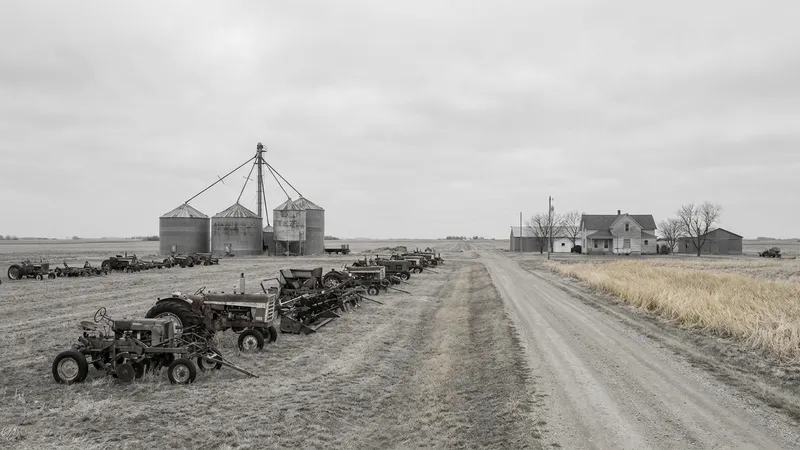
Rising US farm costs, fueled by a conflict in the Middle East, are pushing agricultural bankruptcies to new highs and creating political challenges in rural states.
The financial stability of the American agricultural sector is under significant strain as geopolitical events disrupt key supply chains. Farmers are facing a dual crisis of escalating fuel and fertilizer prices, threatening their operations during the critical planting season.
Fuel and Fertilizer Prices Soar
A recent conflict in Iran has had direct consequences for American agriculture, with the price of farm diesel increasing by 46% since the war began. This spike directly impacts the cost of fieldwork, irrigation, and the transportation of essential goods.
Compounding the issue, fertilizer prices have also climbed sharply. The Strait of Hormuz, a critical maritime chokepoint affected by the regional instability, is a transit route for nearly one-third of the world’s fertilizer supply.
This disruption is severely affecting farmers' ability to prepare for the growing season. A recent survey by the Farm Bureau revealed that approximately 70% of respondents cannot afford the quantity of fertilizer they require for their crops, signaling potential impacts on future yields.
A Rising Tide of Bankruptcies
The mounting economic pressure has led to a dramatic increase in farm bankruptcies across the United States. This trend has been accelerating over the past three years, pointing to a deepening crisis in the sector.
According to figures reported by The New York Times, farm bankruptcies rose by 55% in 2024 and saw a further 46% increase in 2025. The situation has worsened in 2026, with the rate climbing by another 70% as farmers grapple with unsustainable operational costs.
This pattern highlights the vulnerability of the agricultural economy to global market volatility and supply chain disruptions, which can quickly erase narrow profit margins.
Political Implications in the Heartland
The economic distress in rural America is creating a difficult political landscape for the Republican party, which traditionally relies on strong support from these communities. The rising costs are a central concern for voters in key agricultural states.
In response to the growing unease, Vice President JD Vance is scheduled to travel to Iowa. His visit is intended to support Representative Zach Nunn, who holds a competitive swing seat and faces pressure from constituents hit hard by the economic downturn.
The administration's handling of the agricultural crisis is expected to be a significant factor in upcoming elections. The situation underscores the direct link between foreign policy, global trade, and the domestic economic well-being of American voters.