US Islamophobia Complaints Hit Record High in 2025
US Islamophobia complaints reached a record 8,683 in 2025, the highest since 1996, driven by public rhetoric and policy shifts.
Cuneyd Erdogan ·
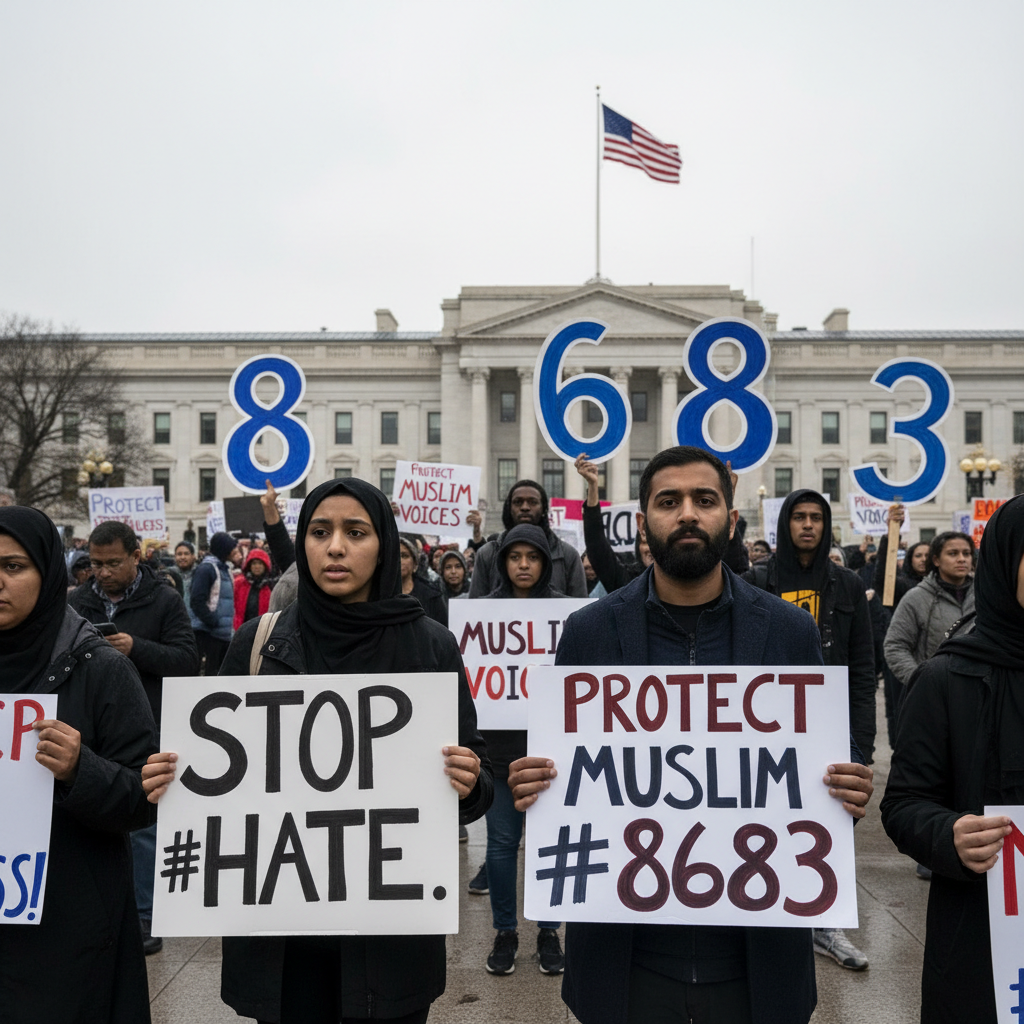
Complaints regarding anti-Muslim discrimination in the United States reached an unprecedented level in 2025, with 8,683 incidents reported. This figure represents the highest annual total since the Council on American-Islamic Relations (CAIR) began tracking such data in 1996. The organization released its annual civil rights report on Tuesday, March 10, 2026, detailing the significant increase.
Rising Discrimination Documented
The surge in reported incidents is linked to a perceived rise in anti-Muslim discourse from public figures and the implementation of policies deemed punitive. The report specifically points to the Trump administration's actions and rhetoric as contributing factors to this environment. This includes the scaling back of civil rights initiatives within federal agencies.
Official Rhetoric and Policy Shifts
Several Republican lawmakers, including Representatives Andy Ogles, Randy Fine, and Keith Self, were cited in the report for making anti-Muslim statements. Furthermore, the Trump administration's adjustments to civil rights operations within the Department of Homeland Security and the Department of Education were noted. Efforts to sanction pro-Palestinian student activism also contributed to the reported hostile climate.
Legislative and State-Level Actions
Federal legislative proposals aimed at restricting Islamic practices or limiting the entry of Muslim individuals into the country were highlighted. CAIR's report characterized the period as a "broad attack on Muslim life." This included the formation of a "Sharia-Free America Caucus" by Representatives Chip Roy and Keith Self, which reportedly comprises 45 members of Congress.
At the state level, the governors of Texas and Florida controversially designated CAIR as a "foreign terrorist organization." Additionally, federal immigration enforcement operations, such as "Operation Metro Surge" in Minnesota, were identified as targeting the Somali American community, following anti-Muslim rhetoric from the president. These actions collectively contributed to the record number of discrimination complaints.
Historical Context of Anti-Muslim Sentiment
The increase in Islamophobia complaints in 2025 builds upon a historical pattern of anti-Muslim sentiment that has seen spikes during periods of heightened geopolitical tension or domestic political shifts. Previous peaks in reported incidents often coincided with events such as the September 11th attacks or the implementation of travel bans targeting Muslim-majority countries. S.
Implications for Civil Liberties
The documented rise in discrimination complaints carries significant implications for civil liberties and religious freedom within the United States. Advocacy groups and civil rights organizations frequently monitor such trends as indicators of broader societal tolerance and the effectiveness of anti-discrimination protections. The sustained increase in reported incidents may prompt further scrutiny of public discourse and policy decisions impacting minority communities.
Implications
Country Impact: The record number of complaints indicates a deteriorating environment for Muslim communities in the U.S., potentially impacting social cohesion and civil liberties. This trend could lead to increased political activism and legal challenges from civil rights organizations.
Industry Impact: The heightened focus on anti-discrimination issues may influence corporate diversity and inclusion policies, particularly for companies operating in the U.S. or those with diverse workforces. Legal and compliance sectors may see increased demand related to discrimination cases.
Market Impact: While direct market impact is limited, sustained social unrest or perceived erosion of civil liberties can indirectly affect investor confidence and human capital flows. Companies might face reputational risks if associated with discriminatory practices or rhetoric.