Peruvian Author Alfredo Bryce Echenique Dies at 87
Peruvian author Alfredo Bryce Echenique, known for his ironic and melancholic narratives, died Sunday at 87, marking a loss for Latin American literature.
Cuneyd Erdogan ·
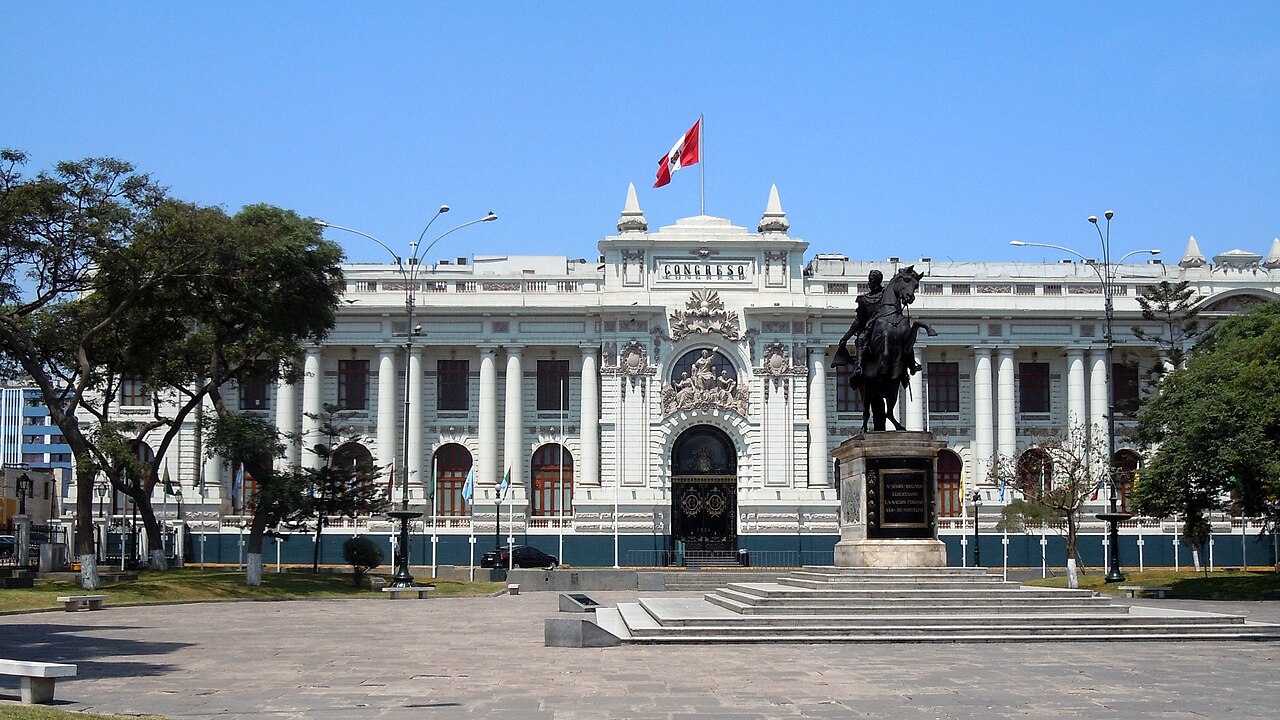
Alfredo Bryce Echenique, the distinguished Peruvian author celebrated for his ironic and melancholic narratives, passed away on Sunday, June 23, 2024, at the age of 87. His death marks the end of an era for Latin American literature, where he was a prominent figure known for his unique blend of humor, nostalgia, and social commentary.
### Literary Contributions and Style
Born in Lima, Peru, in 1939, Bryce Echenique gained international recognition for his distinctive literary voice. His works often explored themes of exile, identity, and the complexities of Peruvian society, frequently infused with a cosmopolitan perspective derived from his extensive time living abroad, particularly in France. His writing style was characterized by long, intricate sentences, a conversational tone, and a deep psychological insight into his characters.
### Notable Works and Recognition
Among his most acclaimed novels is "A World for Julius" (Un mundo para Julius), published in 1970, which is considered a classic of Latin American literature. This novel satirizes the Peruvian oligarchy through the eyes of a young boy, offering a poignant critique of class divisions. Other significant works include "The Many Deaths of Raúl Tristán" (La vida exagerada de Martín Romaña) and "Permiso para vivir" (Permission to Live), which further cemented his reputation as a master storyteller.
Throughout his career, Bryce Echenique received numerous accolades for his literary achievements. These included Spain's National Prize for Narrative in 1998 and the prestigious FIL Literary Award in Romance Languages (formerly the Juan Rulfo Prize) in 2012, recognizing his profound impact on Spanish-language literature. His contributions extended beyond novels to short stories and essays, all marked by his characteristic wit and humanism.
### Impact on Latin American Literature
Bryce Echenique's passing leaves a significant void in the literary landscape. He was part of a generation of Latin American writers who emerged after the "Boom" generation, offering a different narrative approach that moved away from magical realism towards a more introspective and often ironic realism. His influence can be seen in subsequent generations of authors who have adopted similar narrative techniques and thematic concerns.
His work resonated with readers globally, as it delved into universal human experiences while remaining deeply rooted in his Peruvian heritage. The author's ability to combine personal anecdotes with broader societal observations created a rich tapestry of narratives that continue to be studied and enjoyed. His legacy is expected to endure through his extensive body of work, which remains a vital part of contemporary literature.
### Legacy and Remembrance
His death has prompted tributes from fellow writers, cultural institutions, and political figures across the Spanish-speaking world. Many have highlighted his unique ability to capture the nuances of human emotion and social dynamics with both humor and profound sensitivity. Bryce Echenique's literary contributions have enriched the global understanding of Peruvian culture and the broader Latin American experience.
Implications
Country Impact: Peru loses one of its most internationally recognized literary figures, impacting its cultural representation on the global stage. His works provided critical insights into Peruvian society and history.
Industry Impact: The publishing industry and academic circles will continue to analyze and promote his extensive body of work. His passing may lead to renewed interest in his novels and essays, potentially boosting sales and critical re-evaluations.
Market Impact: While direct market impact is minimal, his death underscores the cultural value of literary works. It may influence the market for Latin American literature, encouraging further exploration of authors from the region.