Appeals Court Blocks Controversial White House Ballroom Expansion
A D.C. appeals court upheld an injunction blocking a White House ballroom, saying Congress must authorize it; a 14-day stay allows a Supreme Court bid.
Atlas Newsdesk ·
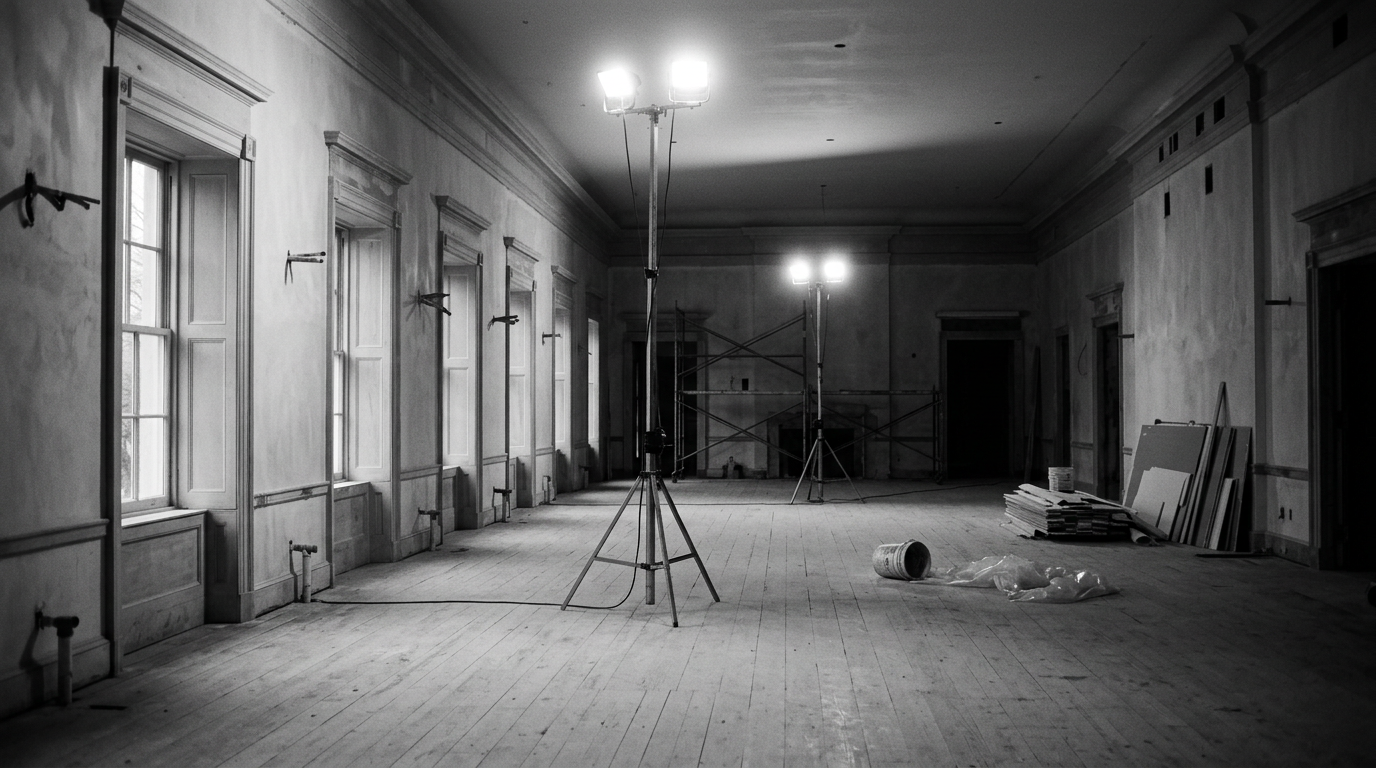
The United States Court of Appeals for the District of Columbia has left in place an injunction that stops construction of a proposed ballroom at the White House, finding the project cannot proceed without clear authorization from Congress. The decision, issued Friday, keeps the central legal obstacle intact while the underlying lawsuit continues.
In a 2-1 ruling, the court agreed with the lower court that President Donald Trump does not have unilateral power to demolish historic parts of the executive residence or to make major alterations to federal property without legislative approval. The panel’s majority described the plan as an extraordinary expansion of executive authority beyond what the law permits.
Congressional approval requirement stands
The majority opinion was written by Judges Patricia Millett and Bradley Garcia. They concluded that statutory authorization is required before the executive branch can pursue the type of structural change at issue, particularly where it involves demolition and long-term alteration of a nationally significant federal site.
The court also underscored that the White House is maintained on behalf of the public, framing the president as a temporary occupant rather than an owner with unrestricted control. On that view, the ruling said there is no constitutional basis for a president to independently remake the structure when Congress has not approved it.
East Wing demolition cited as lasting harm
As part of its reasoning, the court pointed to demolition of the century-old East Wing last October, which the judges said was undertaken to enable a planned 90,000-square-foot expansion. The majority said that work created permanent damage to the site’s architectural integrity, supporting the case for court intervention to prevent further irreparable change while legal requirements remain unresolved.
The United States Court
The litigation was brought by Trust for Historic Preservation and remains active. For now, the lower court’s condition—explicit statutory authorization—continues to function as the main barrier to any further development tied to the proposal.
14-day stay opens window for Supreme Court petition
Although the injunction was upheld, the appeals court granted a 14-day stay. The pause is designed to give the administration time to seek review at the Supreme Court before the injunction fully resumes effect.
President Trump has confirmed he intends to appeal. He has said national security needs are the primary reason for pursuing the project, an argument that is expected to be central to the administration’s next legal steps.
The immediate next phase will depend on whether the Supreme Court is asked to intervene within the 14-day period, and how the ongoing case proceeds under the standing requirement for congressional authorization.