Hormuz Strait: US-Iran Tensions Escalate Over Closure Threat
U.S.-Iran threats intensified Saturday as the Strait of Hormuz stayed effectively closed, pushing Brent from $73 to above $100 per barrel.
Lauren Collins ·
The United States and Iran traded warnings of major retaliation on Saturday as military activity intensified and a search continued for a missing U.S. airman in southern Iran. U.S. President Donald Trump said Iran would face significant consequences if it did not negotiate a deal or reopen the Strait of Hormuz within 48 hours. Iranian military officials issued their own warning, saying the region would become “hell” if the confrontation escalated further.
The latest exchange came after a U.S. F-15 fighter jet was shot down over southern Iran on Friday, according to the account in the source material. One pilot was rescued, while efforts were still underway to locate a missing crew member. An A-10 Warthog participating in the search operation was also reported damaged.
At the same time, Iran launched missiles toward Gulf States, Iraq, and Israel, with damage reported from debris after interceptions. The United States and Israel continued strikes on Iranian military, energy, and industrial targets. The source material also described an attack near Iran’s Bushehr nuclear power plant that resulted in one fatality and led Russia to evacuate staff.
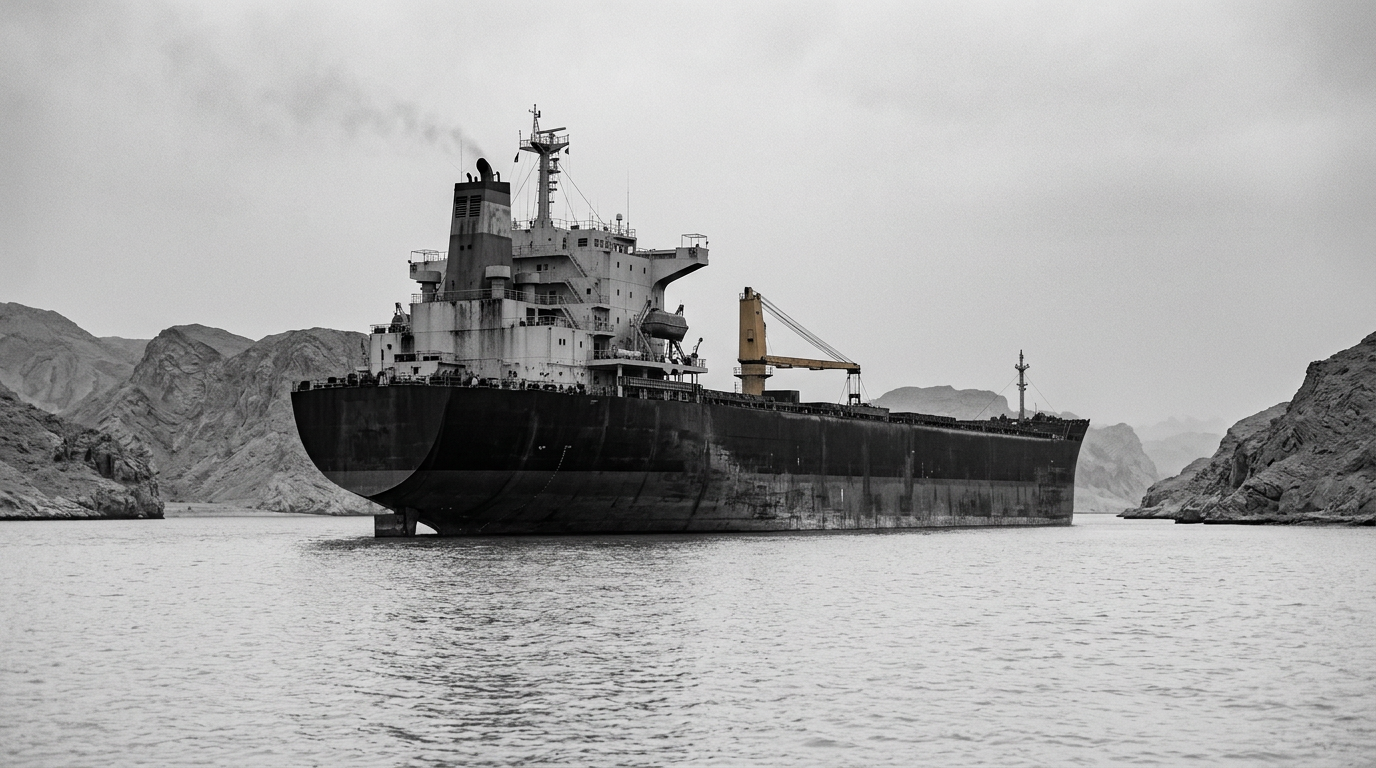
The conflict began on February 28 and has effectively shut the Strait of Hormuz, a key maritime corridor for energy shipments. The source material said the strait is critical for about one-fifth of global oil and gas supplies. Although Iran has stated that vessels it does not consider hostile can use the passage, ongoing attacks have stopped normal transport activity.
Market effects have been immediate, with the source material reporting that Brent crude rose from $73 to above $100 per barrel as the disruption persisted. The source also noted that a French-owned carrier became the first major Western European ship to transit the strait since the conflict began, highlighting how limited traffic has become even as some movements resume.
Key uncertainties remain, including whether the Strait of Hormuz will reopen within the 48-hour window referenced by Trump and whether further military actions will expand beyond the current pattern of strikes and missile launches. The search for the missing U.S. crew member in southern Iran was also ongoing as of Saturday, and the operational risks around rescue efforts were underscored by the reported damage to the A-10 involved in the mission.