Congo Ebola Outbreak: WHO Raises Global Alert
WHO raises Ebola risk in DR Congo to "very high" due to spreading Bundibugyo strain, prompting intensified public health measures and international response.
Ayla Demirhan ·
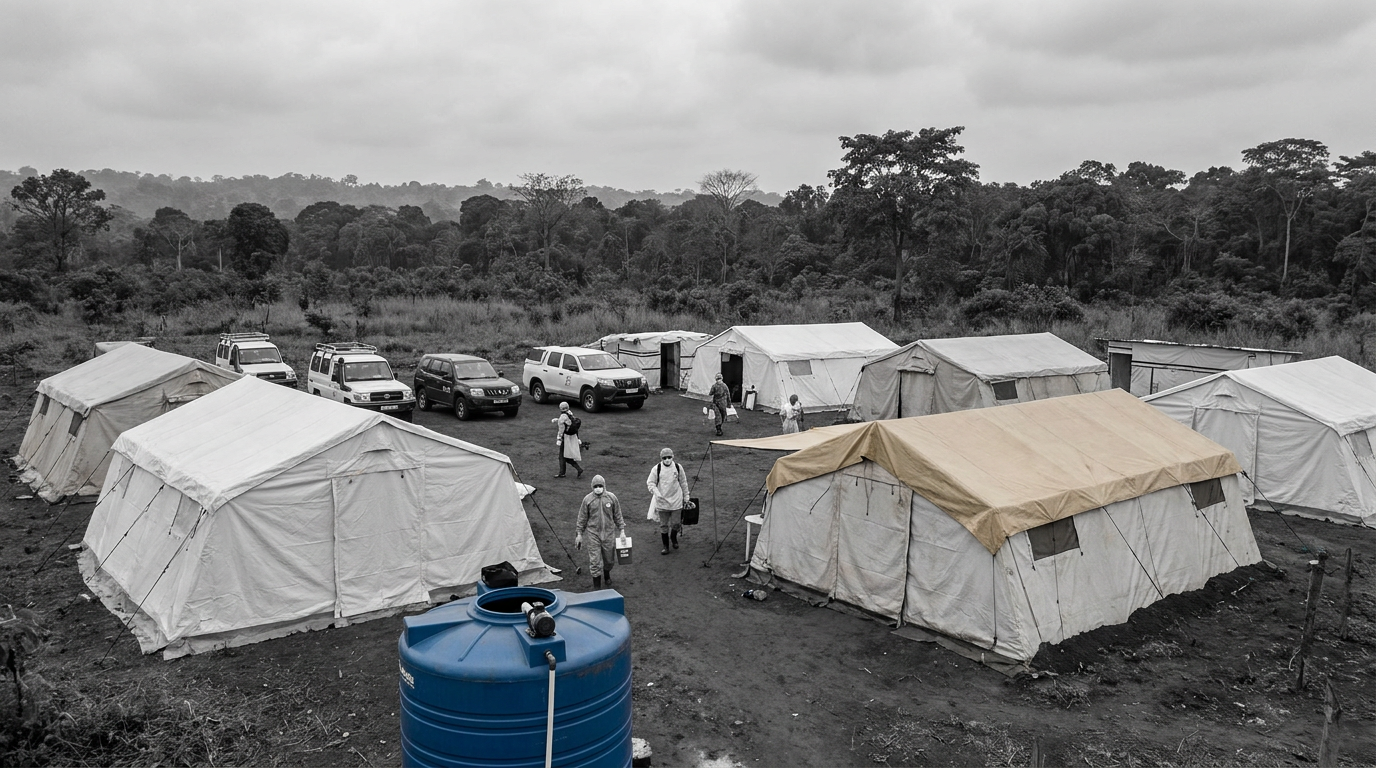
The World Health Organization (WHO) on Friday elevated the public health risk of Ebola in the Democratic Republic of Congo (DRC) from high to “very high” at level, citing the continued spread of the Bundibugyo strain. This assessment follows the confirmation of 82 cases and seven deaths, alongside nearly 750 suspected cases and 177 suspected deaths, primarily concentrated in Ituri province.
The Bundibugyo strain currently lacks an approved vaccine or treatment, prompting the WHO to declare the outbreak an emergency of international concern.
In response to the escalating situation
In response to the escalating situation, the WHO has deployed additional personnel to Ituri province. Local authorities in Ituri have implemented stringent public health measures, including restricting funerals to specialized teams, prohibiting non-medical transport of deceased individuals, limiting public gatherings to 50 people, and suspending the local football league.
These measures follow an incident where residents in Rwampara town torched an Ebola treatment center and clashed with police.
The World Health Organization
The International Federation of Red Cross and Red Crescent Societies (IFRC) is conducting door-to-door campaigns to counter misinformation and educate communities on protective measures. Concurrently, the U.S.
Centers for Disease Control and Prevention (CDC) is actively evaluating potential therapeutics for the Bundibugyo strain and leveraging its integrated laboratory network for testing. The WHO has emphasized the high potential for rapid spread of this virus, urging global attention despite the relatively stable situation in neighboring Uganda and isolated cases involving international nationals transferred for care in Germany and the Czech Republic.