Iran Displacements Surge Amid Regional Tensions
Up to 3.2 million people are reportedly displaced across Iran amid regional instability, according to UN reports, highlighting a growing humanitarian crisis.
Cuneyd Erdogan ·
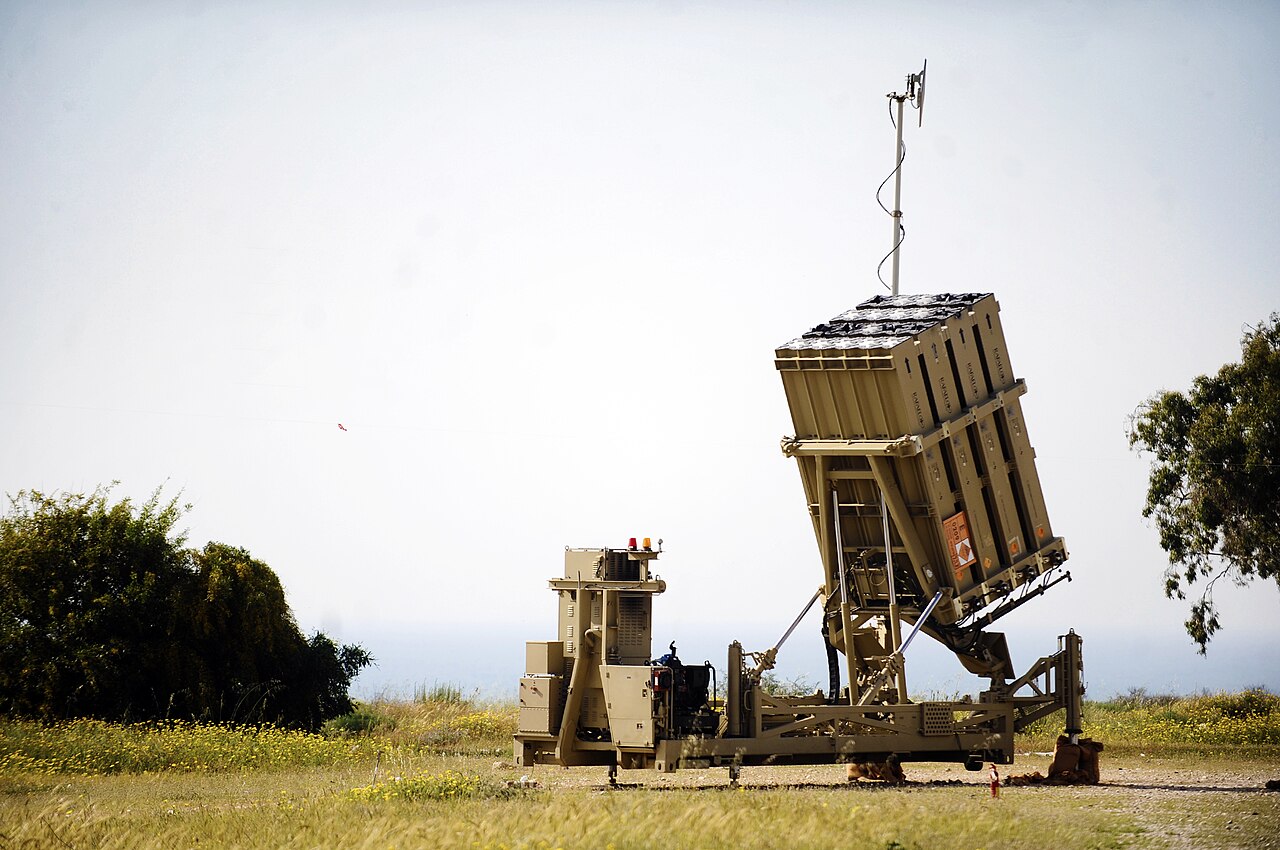
Recent reports indicate a significant internal displacement of up to 3.2 million individuals across Iran. This internal migration is attributed to escalating regional instability, particularly in areas bordering conflict zones. The United Nations has highlighted the humanitarian challenges arising from these population movements, emphasizing the need for international attention and support.
Humanitarian Crisis Unfolds
The displacement figures underscore a growing humanitarian crisis within Iran. While specific details regarding the exact nature and timing of the "US-Israeli attacks" mentioned in the original headline are not publicly confirmed by official sources, the broader context points to heightened geopolitical tensions in the Middle East. These tensions often lead to population movements as communities seek safety and stability.
Regional Geopolitical Context
Iran has been a focal point of regional geopolitical dynamics for decades. The country shares borders with nations that have experienced significant conflict, including Iraq and Afghanistan. Furthermore, its involvement in proxy conflicts and its nuclear program have led to ongoing friction with the United States and Israel, contributing to an environment of instability.
Economic and Social Strain
The large-scale displacement places considerable strain on Iran's economic and social infrastructure. Providing shelter, food, and medical aid to millions of internally displaced persons (IDPs) requires substantial resources. This situation is compounded by existing economic pressures on Iran, including international sanctions, which limit its capacity to address humanitarian needs effectively.
International Response and Concerns
International organizations, including various UN agencies, are monitoring the situation closely. Their primary concern is the welfare of the displaced populations, who often face precarious living conditions and limited access to essential services. The lack of comprehensive, independently verified data on the precise causes and scale of displacement remains a challenge for humanitarian planning.
Outlook for Stability
The ongoing regional tensions, coupled with internal displacement, suggest a complex and challenging outlook for Iran. The potential for further escalation of conflicts in the broader Middle East could exacerbate the humanitarian situation. Diplomatic efforts aimed at de-escalation and addressing the root causes of instability are crucial for mitigating future displacements and ensuring regional peace.
Implications
Country Impact: Iran faces significant internal humanitarian challenges, including providing resources for displaced populations. Economic strains, exacerbated by sanctions, limit the government's capacity to respond effectively.
Industry Impact: The humanitarian aid sector will likely see increased demand for resources and support within Iran. Regional instability could also impact energy markets and supply chains.
Market Impact: Geopolitical tensions in the Middle East, contributing to such displacements, often lead to increased volatility in global oil prices and can affect investor confidence in regional markets.