US-Israel Strikes on Tehran: Regional Tensions Rise
US-Israeli military actions targeting Tehran signal potential escalation in Middle East tensions, with significant geopolitical and economic implications.
Cuneyd Erdogan ·
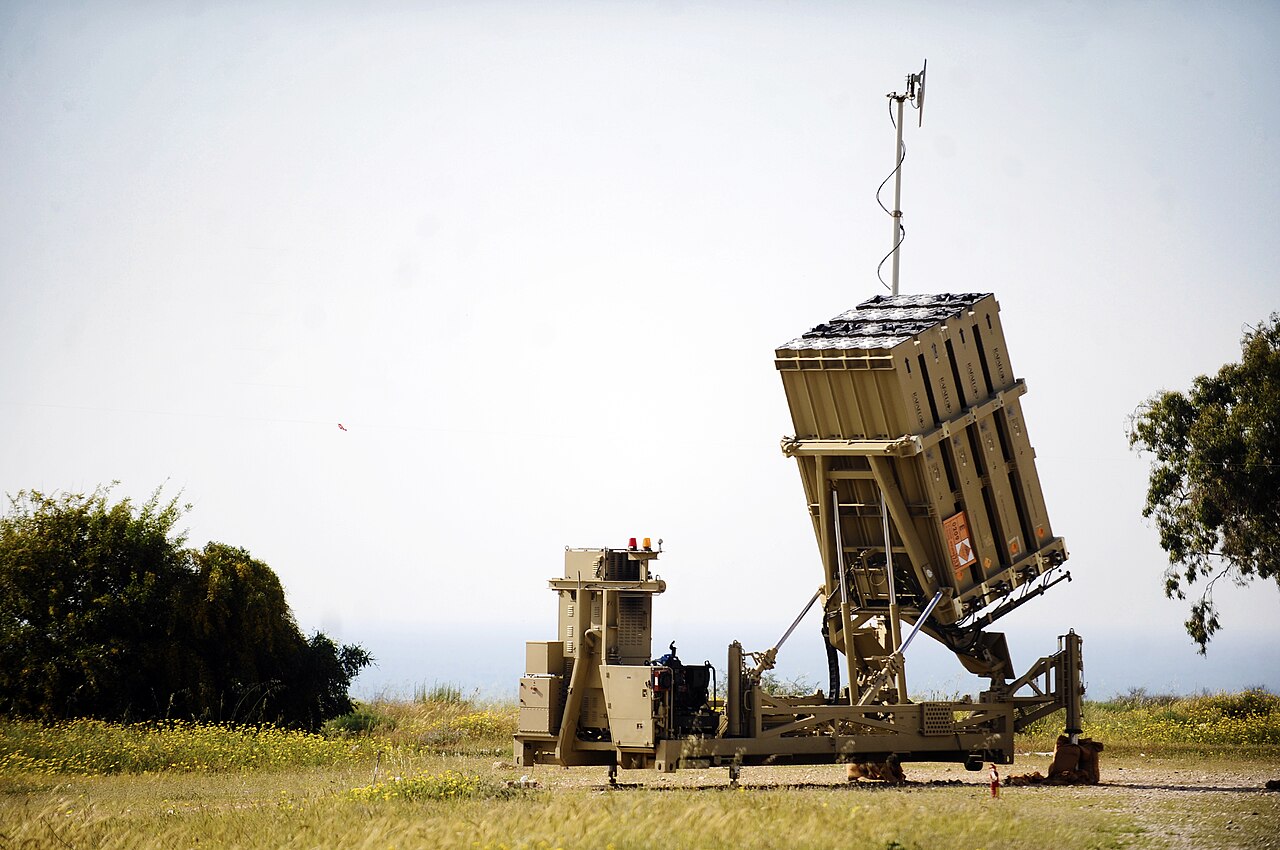
Reports of joint US-Israeli military actions targeting Tehran have emerged, signaling a significant escalation in regional hostilities. While specific details regarding the nature and extent of these alleged attacks remain unconfirmed by official sources, the implications for Middle Eastern stability and global energy markets are substantial. Such operations, if verified, would represent a direct confrontation with Iran, a nation central to the geopolitical landscape of the Persian Gulf.
Unconfirmed Reports of Joint Operations
Initial reports circulating in various media outlets suggest coordinated military actions by the United States and Israel against targets within the Iranian capital, Tehran. These accounts lack official confirmation from either Washington or Jerusalem, leading to speculation and heightened uncertainty across the region.
Historical Context of Tensions
Relations between the United States, Israel, and Iran have been characterized by decades of deep-seated animosity and strategic competition. Iran's nuclear program, its support for regional proxy groups, and its ballistic missile development have consistently been points of contention, leading to numerous sanctions and covert operations. Israel views Iran as its primary existential threat, while the U.S. has sought to contain Iranian influence in the Middle East.
Potential Motivations and Objectives
The rationale behind any such alleged strikes would likely stem from a perceived need to degrade Iran's military capabilities, deter further regional aggression, or respond to specific provocations. Past escalations have often involved responses to attacks on shipping, drone incursions, or actions by Iranian-backed militias against U.S. interests or allies.
Regional Geopolitical Implications
An overt military engagement involving the U.S. and Israel against Iran would dramatically reshape the geopolitical dynamics of the Middle East. It could trigger retaliatory actions from Iran, potentially involving its extensive network of proxy forces in Iraq, Syria, Lebanon, and Yemen, leading to a broader regional conflict. Neighboring states, particularly those in the Gulf Cooperation Council, would face immediate security concerns.
Economic and Market Repercussions
The global economy, particularly energy markets, would likely experience significant volatility following any confirmed military action against Iran. The Strait of Hormuz, a critical chokepoint for global oil shipments, could be disrupted, leading to sharp increases in crude oil prices. International trade routes and supply chains would also face considerable risks, impacting global economic stability.
International Response and Diplomacy
Should these reports be substantiated, the international community would face immense pressure to de-escalate the situation. Diplomatic efforts, potentially led by the United Nations or major global powers, would be crucial in preventing a full-scale war. However, the deep divisions among permanent members of the UN Security Council could complicate a unified response.
Outlook on Future Stability
The current situation underscores the fragile security environment in the Middle East. The absence of official confirmation regarding the alleged strikes keeps the region on edge, with global observers closely monitoring developments. Any verified military action would necessitate a reassessment of regional security architectures and international diplomatic strategies.
Implications
Country Impact: Regional countries, particularly Gulf states, would face heightened security risks and potential spillover from any conflict. Iran's internal political stability could also be impacted.
Industry Impact: The global energy sector would experience significant disruption, with potential for oil price spikes and supply chain interruptions. Defense industries might see increased demand.
Market Impact: Global financial markets would likely react with increased volatility, particularly in oil futures and equity markets. Investor confidence in emerging markets could decline.