Starmer heads to Gulf for Strait of Hormuz reopening
Starmer will visit the Gulf on April 9, 2026, after a U.S.-Iran ceasefire, to push for a permanent Strait of Hormuz reopening.
Lauren Collins ·
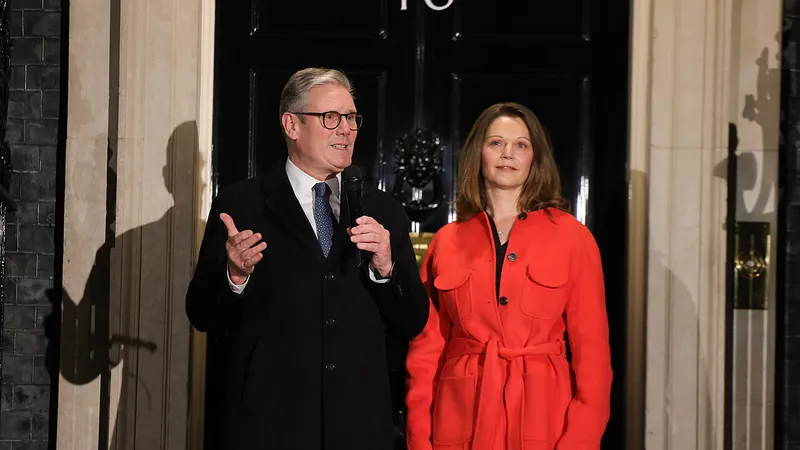
British Prime Minister Keir Starmer is due to travel to the Gulf on Wednesday, April 9, 2026 , to meet regional leaders as diplomacy intensifies around the permanent reopening of the Strait of Hormuz . Officials said the trip will centre on how to support and sustain a ceasefire and convert it into a durable arrangement that enables the full restoration of traffic through the waterway.
The visit comes after a U.S.-Iran ceasefire agreement was reached overnight. Starmer welcomed the development, describing it as a moment of relief for both the region and the wider world. His planned meetings are expected to focus on reinforcing the ceasefire and ensuring it holds long enough to underpin a lasting agreement tied to reopening the strait.
Officials noted that Starmer’s Gulf travel was arranged before the ceasefire was announced, highlighting the level of international concern that had already built up over the strait’s status. The Strait of Hormuz is a key route for global oil and gas trade, and its closure has been described as carrying serious economic risks.
The UK government has framed the reopening effort as a priority because of the waterway’s role in energy flows and the potential for disruption to ripple across global markets.
Starmer has previously hosted multinational meetings aimed at coordinating allied support for reopening the strait. Separately, British Foreign Secretary Yvette Cooper spoke on Tuesday with her U.S. counterpart, Marco Rubio , according to officials. The discussion covered diplomatic steps, including a recent UK-led meeting involving over 40 countries focused on the Strait of Hormuz issue.
For governments and market participants, the immediate focus is on whether the ceasefire can be maintained and translated into a longer-term framework that allows the strait to reopen permanently. The UK’s engagement, including Starmer’s trip and Cooper’s talks with Rubio, reflects efforts to align partners behind a coordinated approach and to keep diplomatic channels active with regional stakeholders.
Key uncertainties remain around how quickly the ceasefire can be stabilised and what steps will be required to move from a pause in hostilities to a lasting agreement that supports uninterrupted maritime passage. Officials have not detailed the specific commitments that might be sought from the parties involved, or the timeline for achieving a full reopening. Starmer’s meetings in the Gulf are expected to address these practical questions as the ceasefire takes hold.