Ukraine drones hit Russian oil targets up to 2,000 km
Ukraine has expanded long-range drone strikes on Russian oil export-linked sites and frontline troops, with reach cited up to 2,000 km.
Lauren Collins ·
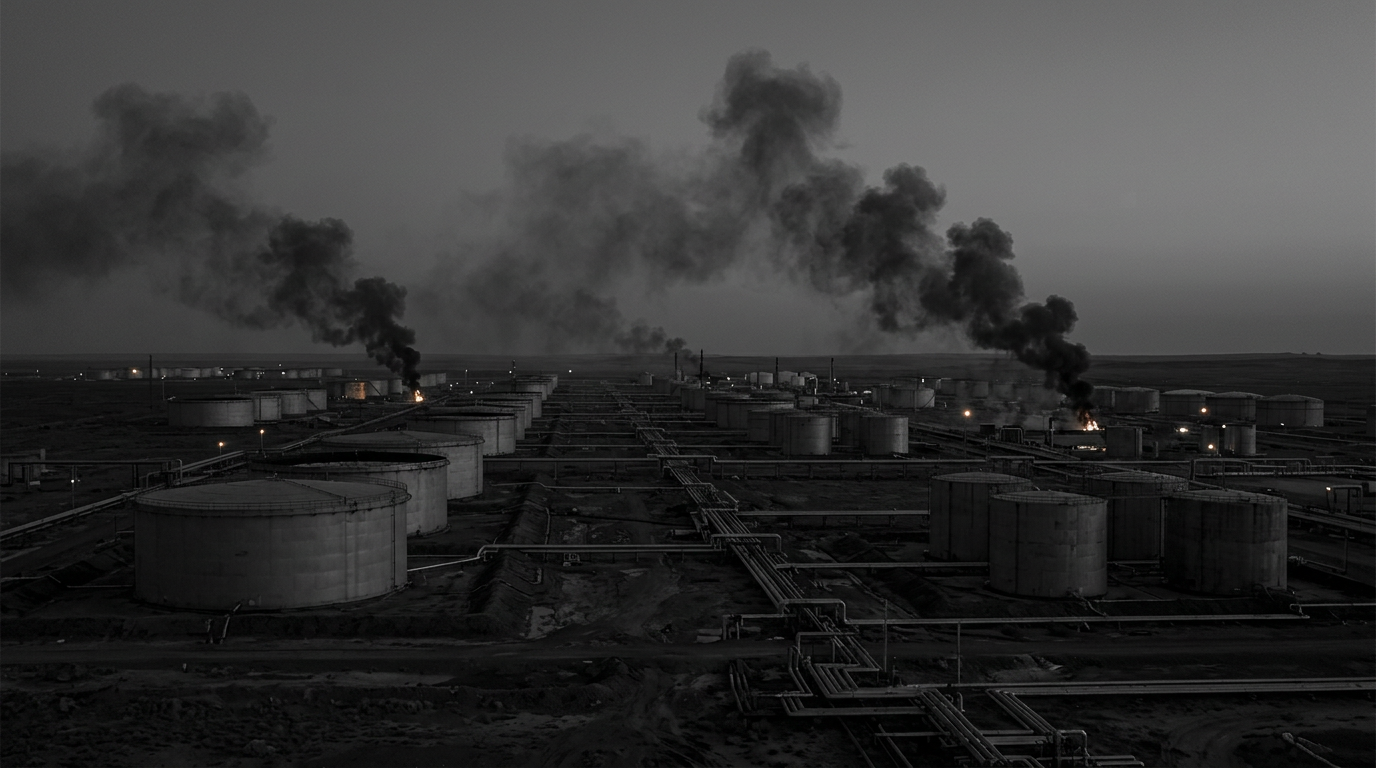
Ukraine has stepped up long-range drone operations aimed at Russian oil export infrastructure and Russian military personnel, according to Robert Brovdi, the commander of Ukraine's unmanned systems. Brovdi described the campaign as a growing effort intended to disrupt Russia’s energy-derived revenue and affect battlefield activity.
Brovdi said the strikes have reached as far as 2,000 kilometers (1,240 miles) inside Russian territory. He linked the recent increase in deep strikes over several weeks to drones produced domestically in Ukraine.
Longer-range drones and deeper strikes
According to Brovdi, Ukraine’s domestically made drones can now fly more than 1,000 kilometers, and some models can reach roughly twice that distance. He said the expanded range has enabled attacks on facilities connected to Russia’s oil exports, which he identified as a main focus of the campaign.
Brovdi framed the deep-strike effort as both a military and economic tool. He said the intent is to apply pressure by targeting assets tied to energy exports while also seeking effects on the battlefield.
Energy infrastructure framed as a wartime target
Brovdi said the objective is to reduce Russia’s ability to finance its war by striking energy-related assets. He argued that oil refineries should be treated as legitimate military targets when they contribute to funding the conflict.
He presented this approach as a way to impose economic costs alongside direct operational impact. The emphasis on oil export-linked facilities, as described by Brovdi, highlights the role Ukrainian officials attribute to energy infrastructure in wartime financing.
Frontline targeting and manpower pressures
Beyond infrastructure, Brovdi said drone activity also targets Russian military personnel along the front lines. He reported that his forces are responsible for a significant number of Russian soldier fatalities, which he said is slowing Russian advances.
He described the combined focus on infrastructure and personnel as a method to impose costs and counter Russia’s numerical advantage in manpower. Brovdi also tied the operational emphasis to Ukraine’s broader challenges with troop mobilization, describing drones as a way to offset manpower pressures.
Claims on effectiveness and remaining unknowns
Brovdi provided figures on the scale of his units within the Ukrainian armed forces, saying drone forces make up 2% of Ukraine’s military but account for one-third of all destroyed targets. He also said his units have an annual casualty rate of less than 1%.
Separately, attacks on energy-export infrastructure can draw attention in global energy markets given the importance of Russian oil flows to international supply. Uncertainties include whether Ukraine continues to prioritize oil export facilities as outlined by Brovdi, whether reported drone ranges and strike distances change beyond the figures he cited, and how the balance between deep strikes and frontline targeting evolves amid mobilization constraints.