Iran Seizes Ships, Challenges US in Hormuz
Iran seizes ships in the Strait of Hormuz as the U.S. reports tanker boarding and mine risks, lifting oil to about $100 per barrel.
Lauren Collins ·
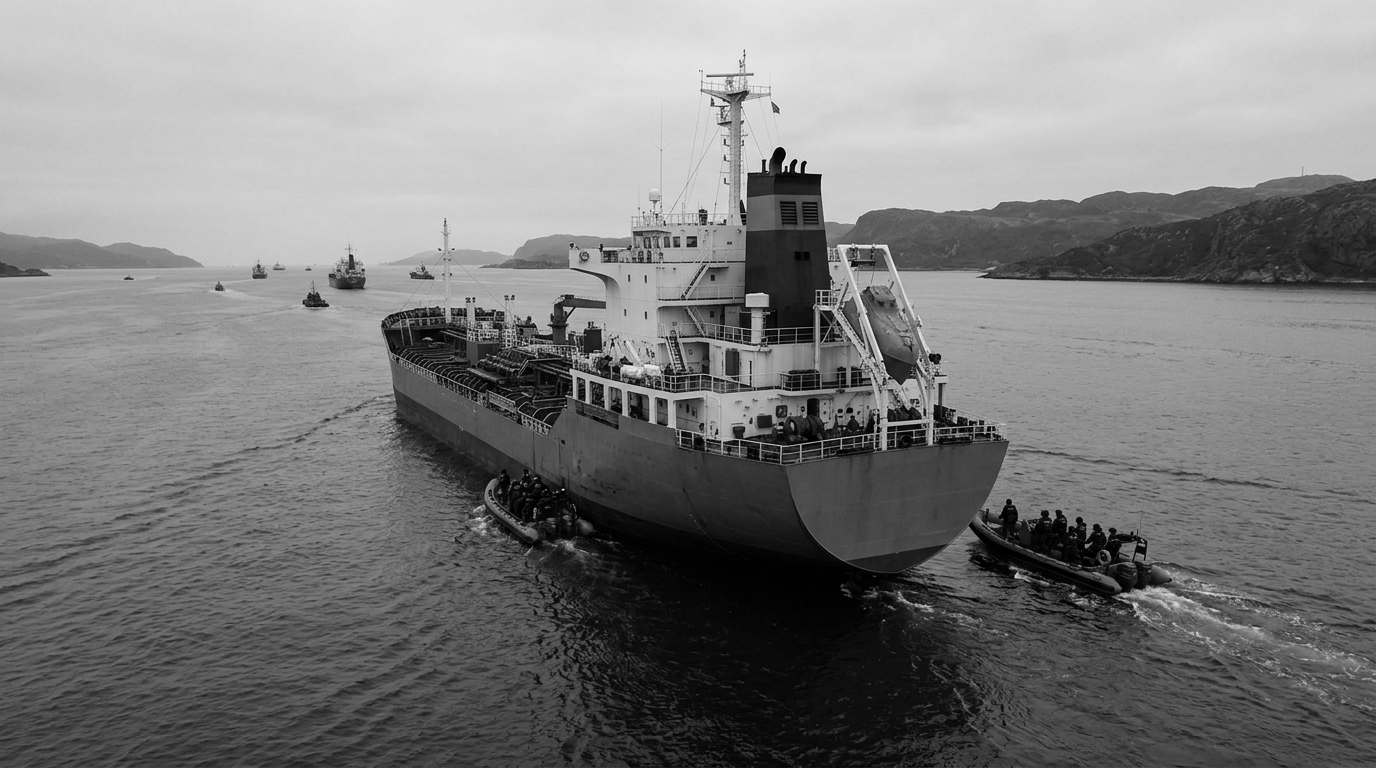
Iran’s Revolutionary Guards seized two container ships in the Strait of Hormuz on Thursday, April 23, 2026, as former U.S. President Donald Trump said the United States has “total control” over the strategic waterway. The developments unfolded alongside reports that the U.S. military boarded a stateless oil tanker in the Indian Ocean that was suspected of transporting Iranian crude oil.
The incidents come amid rising maritime friction in and around the Strait of Hormuz, a key route for global oil and liquefied natural gas shipments. The source material describes “dual blockades” and the presence of sea mines, conditions that have pushed global oil prices to about $100 per barrel. Officials have warned that the situation is intensifying concerns over energy security beyond the region.
According to the account, a Pentagon briefing to Congress indicated that mine clearance could take as long as six months. The same briefing suggested the number of mines involved is estimated at 20, underscoring the scale of the challenge described by U.S. defense officials. Trump, in the source material, is also described as having ordered naval action against vessels involved in mining activity, while still asserting U.S. dominance over the passage.
The source material says the United States has shown an ability to interdict vessels originating from Iranian ports, but has struggled to guarantee unimpeded transit for ships linked to allied Gulf states. That gap, as described, highlights the operational difficulty of maintaining open shipping lanes during a period of heightened confrontation. The Strait of Hormuz’s role as a chokepoint means disruptions can quickly translate into broader market moves.
International energy officials have also weighed in. Fatih Birol, head of the International Energy Agency, described the current environment as “the biggest energy security threat in history,” according to the source material. The statement reflects the wider alarm that shipping interference and mine risks can create for import-dependent economies and for global trade flows tied to energy.
Diplomatic efforts referenced in the source material remain contested. Trump said Iran’s decision not to attend peace talks in Pakistan was due to divisions within Iran’s leadership. Iran, however, cited U.S. violations of a Pakistani-brokered ceasefire and naval blockades as its reasons for not participating.