Ukraine: Oil Strikes Hinge on Western Aid
Ukraine signals oil strikes could pause if Russia stops attacks on Ukraine’s civilian energy infrastructure, amid reports of major export disruption.
Lauren Collins ·
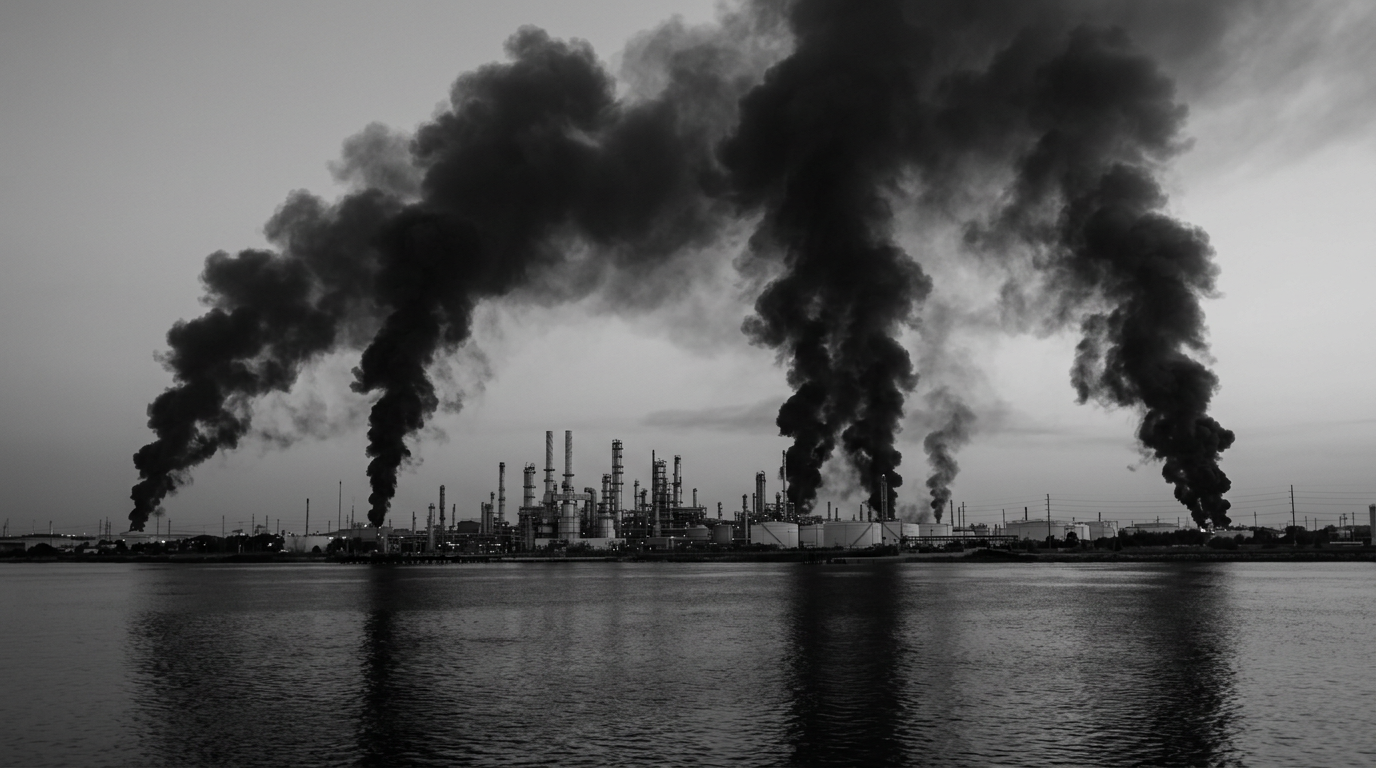
Ukraine’s president set out a conditional offer on attacks tied to Russia’s energy sector. On Monday, Ukrainian President Volodymyr Zelenskyy said Kyiv would consider stopping strikes on Russia’s oil industry if Moscow ends attacks on Ukraine’s civilian energy infrastructure. The statement framed Ukraine’s long-range campaign as linked to the protection of domestic power and heating systems rather than as an open-ended escalation.
The comments came as Ukraine’s long-range operations were reported to have sharply constrained Russia’s export capacity. Reports said Ukraine’s strikes have cut Russia’s oil export capacity by at least 40 percent. The same reports said some international partners have urged Ukraine to reduce these operations as global energy prices rise.
Recent drone strikes have focused on key export nodes on the Baltic Sea. Ukraine’s attacks have targeted Russia’s main oil export terminals on the Baltic Sea, with reports describing significant damage and disruption. Those terminals are portrayed as a major economic channel for the Kremlin, and the disruptions are presented as directly affecting Russia’s ability to move oil to global markets.
The timing overlaps with a period of higher oil prices linked to wider regional conflict and shipping constraints. The source material ties the price environment partly to the ongoing Iran War and the closure of the Strait of Hormuz. In that context, higher prices could otherwise increase Russia’s revenue from oil exports, even if volumes are pressured.
Kyiv’s stated objective is to reduce Russia’s capacity to finance its war effort by hitting export infrastructure. The campaign is described as a strategic bombing effort aimed at limiting the funds available to Russia by targeting critical oil export facilities. The source material presents this as part of a broader attempt to weaken Russia’s economic base and increase pressure on Moscow.
Ukraine’s ability to carry out these strikes is linked to expanding domestic long-range capabilities. The source material cites the growth of Ukraine’s long-range strike toolkit, including drones and cruise missiles, as enabling the campaign. It also notes that former Russian defense minister Sergei Shoigu acknowledged that no Russian region is now safe from attack.
Risks and unknowns remain around the durability of the damage and the political response. The source material does not specify how quickly affected export capacity could be restored or how partners’ concerns might translate into policy pressure. It also does not detail what verification or enforcement mechanism would apply to Zelenskyy’s condition regarding attacks on civilian energy infrastructure.