UK Declassifies Mandelson Ambassador Appointment Files
UK National Archives declassified files on March 8, 2026, detailing Peter Mandelson's 2006 ambassadorial appointment to the US.
Lauren Collins ·
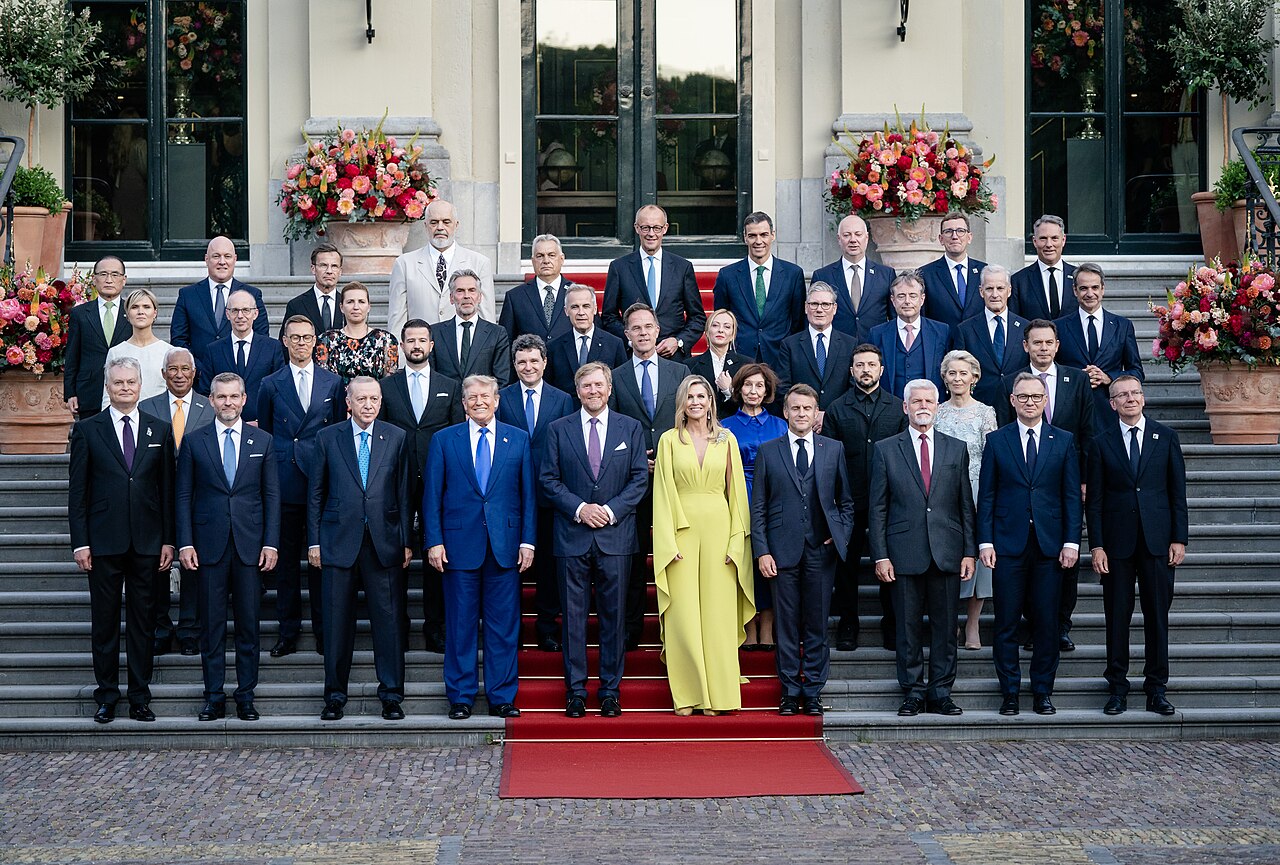
The British government recently declassified documents pertaining to the 2006 appointment of Peter Mandelson as the United Kingdom's ambassador to the United States. These files, released by the National Archives on Friday, March 8, 2026, offer a historical perspective on the internal deliberations that shaped this significant diplomatic posting. The disclosure falls under the standard 20-year rule for government records, providing transparency into past governmental decisions.
Background to the Appointment
Peter Mandelson, a prominent figure in the Labour Party, had previously held several high-profile ministerial positions within the UK government. His potential appointment to such a critical diplomatic role would have been a subject of considerable internal discussion given his political stature and the importance of Anglo-American relations. The declassified records are expected to shed light on the specific considerations and challenges faced by the government at that time.
Details of the Declassification
Under the UK's Public Records Act, government documents are typically released to the public after a period of 20 years. This statutory provision ensures that historical governmental processes and decisions eventually become accessible for public scrutiny and academic research. The release of these particular files aligns with this established legal framework, offering a glimpse into the mechanics of high-level diplomatic selections.
Significance for UK-US Relations
The ambassadorial role in Washington D.C. is consistently regarded as one of the most crucial diplomatic assignments for the United Kingdom. The individual holding this position acts as a primary conduit for communication and negotiation between two of the world's closest allies. Understanding the internal processes behind such appointments can illuminate the strategic priorities and political considerations of the British government regarding its transatlantic partnership.
Historical Context and Precedent
Past ambassadorial appointments have often been subjects of public and political interest, particularly when they involve figures with significant domestic political careers. The declassification of these files allows historians and political analysts to examine the interplay between domestic politics and foreign policy decisions. It also provides a case study for understanding how the UK manages its diplomatic corps and its relationships with key international partners.
Implications for Future Transparency
This release underscores the UK government's commitment to eventual transparency regarding its historical operations. While the immediate impact is historical, it reinforces the principle that governmental decisions, even those involving sensitive diplomatic roles, will eventually enter the public domain. This practice contributes to a more informed understanding of political history and governmental accountability.
Implications
Country Impact: The declassification offers historical insight into the UK's diplomatic decision-making processes, particularly concerning its relationship with the United States. It provides a clearer understanding of the internal political considerations influencing key foreign policy appointments.
Industry Impact: This event primarily impacts historical research and political analysis, offering new primary source material for scholars studying UK foreign policy and transatlantic relations. It also sets a precedent for future transparency in government records.
Market Impact: There are no direct market implications from the historical declassification of these diplomatic appointment files. The information is retrospective and does not affect current economic or financial conditions.