UK Home Secretary Bans London Al-Quds Day March
The UK Home Secretary has banned the annual Al-Quds Day march in London following a Metropolitan Police request, citing public order concerns.
Cuneyd Erdogan ·
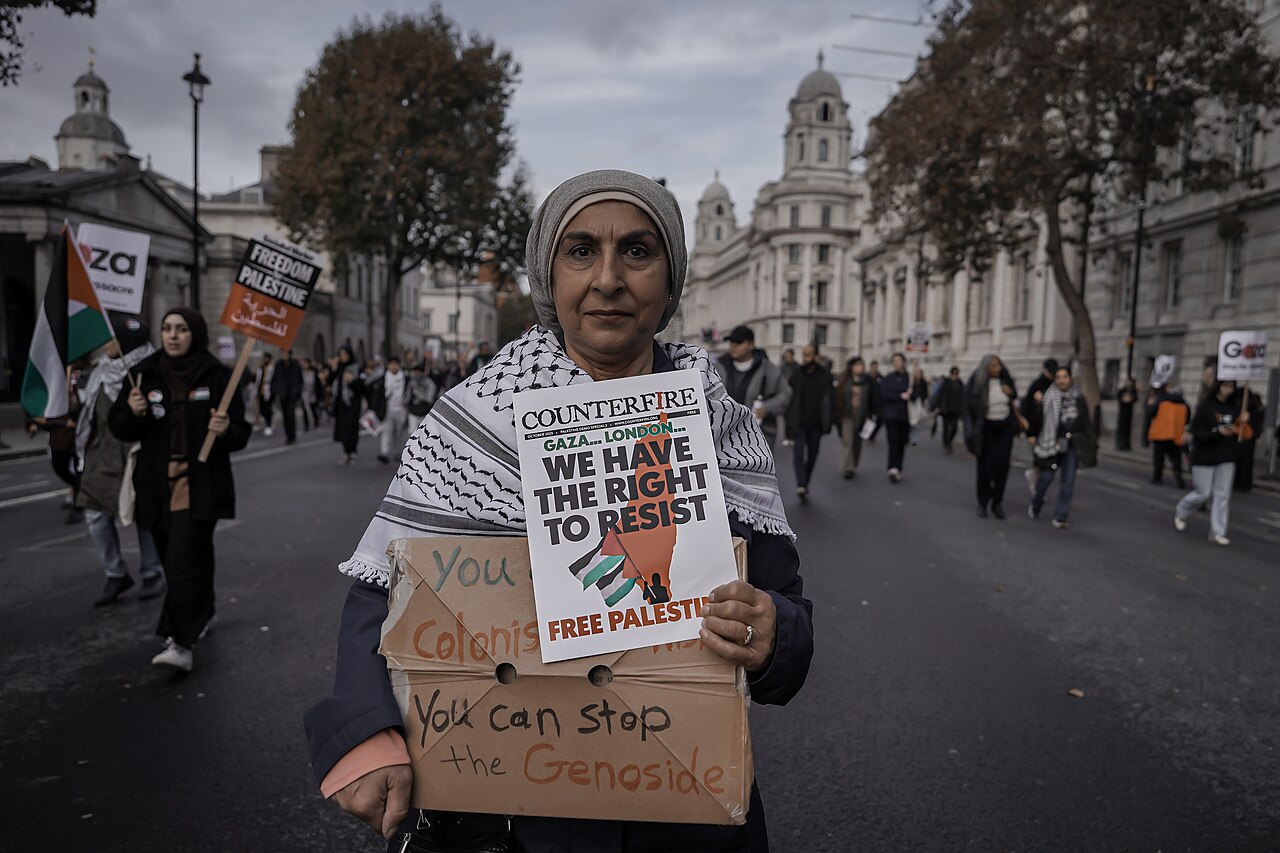
The UK Home Secretary has prohibited the annual Al-Quds Day march from taking place in London, following a formal request from the Metropolitan Police. This decision marks a significant intervention by the government into public demonstrations, citing concerns over public order and potential hate speech.
The ban specifically targets the march, which traditionally occurs on the last Friday of Ramadan and has historically drawn both supporters and counter-protesters. The Metropolitan Police's request underscored their assessment of the risks associated with the event.
Background of Al-Quds Day
Al-Quds Day, or Jerusalem Day, was initiated in 1979 by Iran's Ayatollah Ruhollah Khomeini. It is observed annually on the last Friday of the Islamic holy month of Ramadan, expressing solidarity with Palestinians and opposition to Israeli control over Jerusalem. Demonstrations are held in various cities globally, often drawing criticism for their anti-Zionist rhetoric.
In London, the march has been a recurring event for decades, frequently leading to confrontations with counter-demonstrators, particularly pro-Israel groups. Previous marches have seen arrests and accusations of antisemitic chanting, although organizers have consistently denied these allegations.
Metropolitan Police Concerns
The Metropolitan Police cited intelligence and previous experiences as the basis for their request to the Home Secretary. Their primary concerns revolved around the potential for serious public disorder, the strain on policing resources, and the risk of hate crimes, particularly antisemitic incidents. The police assessment likely weighed the balance between the right to protest and the need to maintain public safety and order.
This type of ban is not unprecedented in the UK, though it is relatively rare for specific, recurring demonstrations. The Public Order Act provides the Home Secretary with powers to prohibit marches under certain conditions, typically when there is a high likelihood of serious public disorder that cannot be managed by imposing conditions on the march itself.
Political and Public Reaction
The Home Secretary's decision has been met with varied reactions. Supporters of the ban, including some Jewish community groups and political figures, have welcomed the move, arguing it protects vulnerable communities from hate speech and intimidation. They often point to past incidents and the perceived antisemitic nature of some slogans used during the march.
Conversely, civil liberties advocates and some pro-Palestinian organizations have criticized the ban as an infringement on the right to peaceful protest and freedom of expression. They argue that imposing conditions on a march, rather than an outright ban, would be a more proportionate response. The debate highlights the ongoing tension between security concerns and democratic freedoms in the UK.
Implications for Future Protests
This prohibition sets a precedent for how the UK government and police might handle future demonstrations deemed high-risk. It signals a potentially stricter approach to protests that are perceived to pose significant public order challenges or involve contentious geopolitical issues. The decision could influence the planning and execution of other large-scale demonstrations in London, particularly those with a history of controversy or counter-protest activity.
The ban underscores the complex challenges faced by authorities in balancing the right to protest with the imperative to prevent disorder and protect communities from hate speech. The long-term implications for protest culture in the UK will likely be observed in subsequent public demonstrations.
Implications
Country Impact: The ban reflects a stricter stance by the UK government on public demonstrations, particularly those with potential for disorder or hate speech. It could lead to increased scrutiny of future protests and a re-evaluation of public order policing strategies.
Industry Impact: While not directly impacting a specific industry, the decision could influence event management and security sectors involved in large public gatherings. It may also affect organizations focused on civil liberties and human rights, prompting legal challenges or advocacy efforts.
Market Impact: The direct market impact is minimal. However, heightened political tensions around public order and freedom of expression could indirectly affect investor confidence in the UK's stability, particularly if such bans become more frequent or lead to widespread unrest.