Iran Claims Civilian Impact in US, Israel Conflicts
Iran claims its civilian infrastructure, including hospitals, has been affected during conflicts with the US and Israel, raising international law concerns.
Cuneyd Erdogan ·
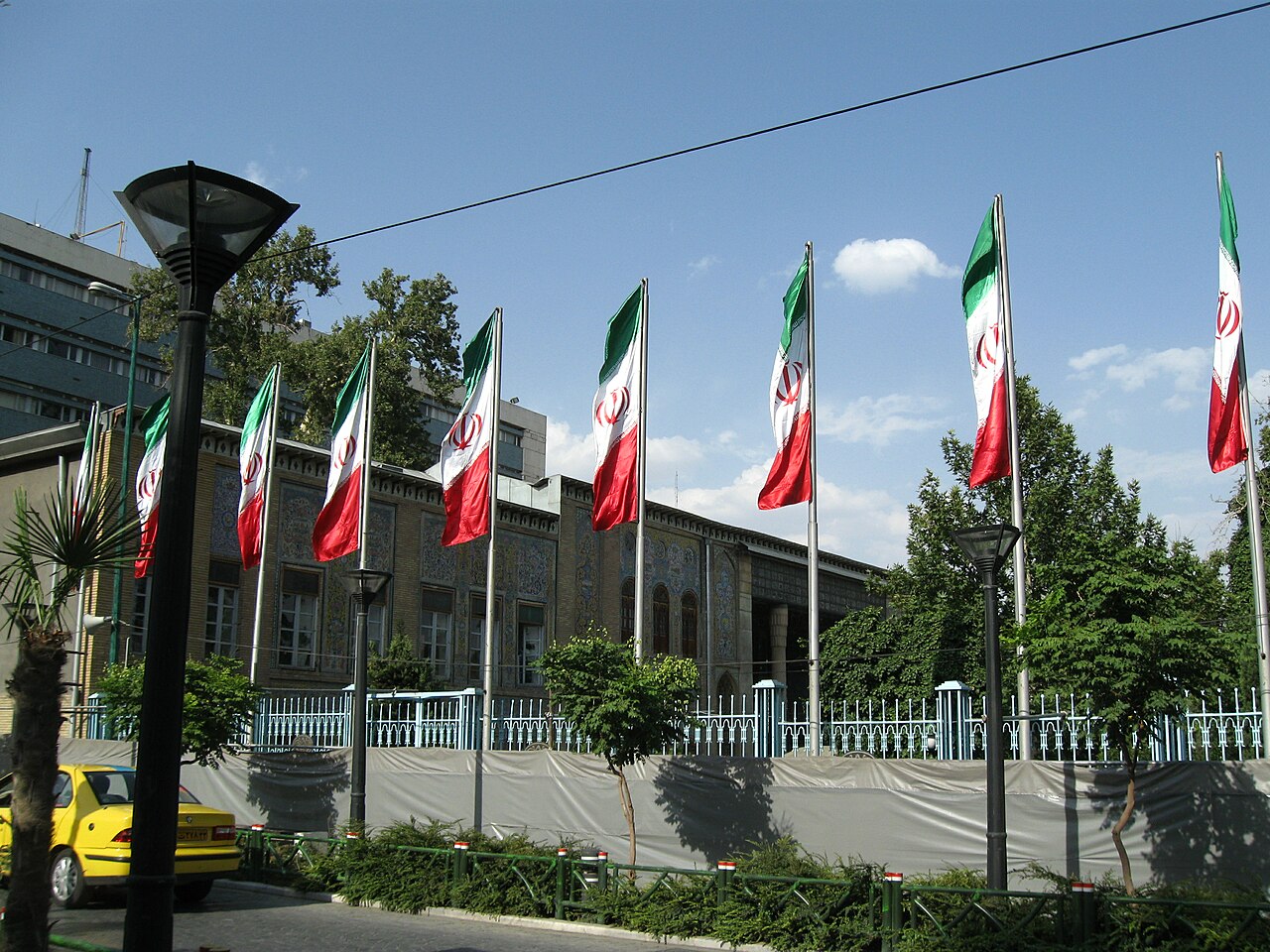
Iran has recently asserted that its civilian infrastructure, including hospitals, has been negatively affected during past and ongoing conflicts involving the United States and Israel. These claims frequently emerge within the broader context of regional tensions and proxy engagements that characterize the geopolitical landscape of the Middle East.
Historical Context of Regional Tensions
Iran's strategic doctrine often emphasizes its defensive capabilities and its right to respond to perceived aggressions. The country has frequently accused both the U.S. and Israel of engaging in covert operations, cyberattacks, and targeted assassinations on its soil, which it claims have broader societal impacts.
Allegations of Civilian Harm
Such allegations typically arise in the aftermath of events like missile strikes, drone attacks, or cyber warfare campaigns attributed to its adversaries. For instance, Iran has previously linked disruptions in its critical infrastructure, including healthcare systems, to cyberattacks it attributes to state-sponsored actors.
International Law and Conflict Zones
However, the application and enforcement of these laws in complex, often undeclared, conflicts remain contentious. Accusations of violations are common from all sides in the region, with each party typically denying responsibility or justifying actions as legitimate self-defense.
Geopolitical Implications
The United States and Israel consistently deny targeting civilian infrastructure intentionally, asserting that their operations are precision-based and aimed solely at military targets. They often counter by accusing Iran and its proxies of using civilian areas for military purposes, thereby blurring the lines of distinction.
Outlook on Future Engagements
Implications
Country Impact: Iran's claims aim to bolster domestic support and project an image of victimhood on the international stage, potentially influencing public opinion and diplomatic relations. This narrative can also justify its own military and security postures.
Industry Impact: Sustained regional instability and the threat of infrastructure damage can deter foreign investment in critical sectors within Iran and neighboring countries. Healthcare and technology sectors are particularly vulnerable to cyber warfare and conflict-related disruptions.
Market Impact: Geopolitical tensions in the Middle East, exacerbated by such claims, often lead to increased volatility in global energy markets, particularly oil prices. Investor sentiment towards the region remains cautious, impacting sovereign bonds and equity markets.