Allies Reject US Naval Force in Strait of Hormuz
Key U.S. allies have rejected a request to deploy naval forces to the Strait of Hormuz amid heightened Middle East tensions, impacting global oil transit.
Lauren Collins ·
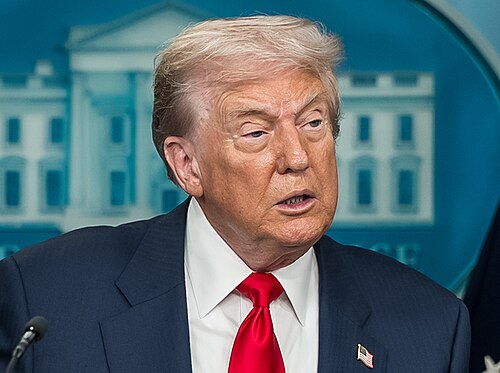
Key international partners have declined a United States request to deploy naval assets to the Strait of Hormuz, a critical maritime chokepoint. The rejection, reported on March 16, 2026, comes amidst heightened tensions in the Middle East following recent military actions. The U.S. had sought to establish an international naval presence to safeguard commercial shipping through the strait, which Iran has threatened to close.
This development follows a significant escalation in the region, specifically after U.S. and Israeli military operations against Iran on February 28. These strikes reportedly resulted in the death of Iran's Supreme Leader, Ali Khamenei. In response, Iran's Khatam al-Anbiya Central Headquarters issued a declaration, stating that any vessel or oil cargo associated with the United States, Israel, or their allies would be considered a legitimate target within the strait.
The United Kingdom, a close U.S. ally, has indicated its unwillingness to commit warships to the contested waterway. British Prime Minister Keir Starmer's administration is reportedly exploring alternative measures, such as the deployment of unmanned systems for mine detection, as confirmed by UK Energy Secretary Ed Miliband. However, a direct commitment of naval vessels has not been made.
Other significant U.S. allies, including France, Germany, and South Korea, have also reportedly declined the request for naval contributions. Their reluctance stems from concerns regarding the potential for a protracted conflict in the strategically vital region. The Strait of Hormuz is a crucial conduit for global energy markets, with approximately one-fifth of the world's oil output transiting through its waters daily.
The U.S. initiative aimed to secure this vital shipping lane, which has been subject to Iranian threats of closure. The refusal by multiple allies underscores a divergence in strategic approaches to regional security and highlights the complexities of forming multinational military coalitions in volatile geopolitical environments. The situation poses significant implications for global energy security and international maritime trade.
Geopolitical Context and Regional Tensions
The current situation in the Strait of Hormuz is directly linked to the broader geopolitical landscape in the Middle East. The February 28 strikes on Iran represent a major escalation, fundamentally altering the regional power dynamics. Iran's subsequent threats to maritime navigation are a direct response to these actions, aiming to leverage its strategic geographical position.
Economic Implications for Global Markets
The Strait of Hormuz's role as a primary oil transit route means that any disruption carries substantial economic consequences. A closure or significant impediment to shipping would likely trigger a sharp increase in global oil prices, impacting energy-dependent economies worldwide. This risk contributes to the cautious stance adopted by several nations regarding military intervention.
Allied Divergence on Military Strategy
The decision by the UK, France, Germany, and South Korea to withhold naval support indicates a preference for de-escalation or non-military solutions. This divergence from the U.S. position suggests a reluctance to be drawn into a direct military confrontation with Iran, potentially reflecting concerns about the broader stability of the region and the global economic fallout from an expanded conflict.
Implications
Country Impact: The allied refusal highlights a potential rift in strategic alignment between the U.S. and its traditional partners regarding Middle East security. This could lead to a reassessment of diplomatic and military cooperation in the region, with individual nations potentially pursuing independent approaches to de-escalation.
Industry Impact: The energy sector faces significant uncertainty due to potential disruptions in the Strait of Hormuz. Oil and gas companies may need to re-evaluate supply chain resilience and contingency plans, while the shipping industry faces increased insurance costs and security risks for vessels transiting the area.
Market Impact: Global financial markets are likely to react to increased geopolitical risk, particularly in energy commodities. Oil prices could experience upward pressure, impacting inflation and economic growth forecasts. Investor confidence may be dampened by the prospect of prolonged instability in a key economic region.