Trump Travel Restrictions Impact African Travelers
Trump administration travel restrictions, implemented in 2026, have significantly impacted African nationals seeking U.S. entry for various purposes.
Lauren Collins ·
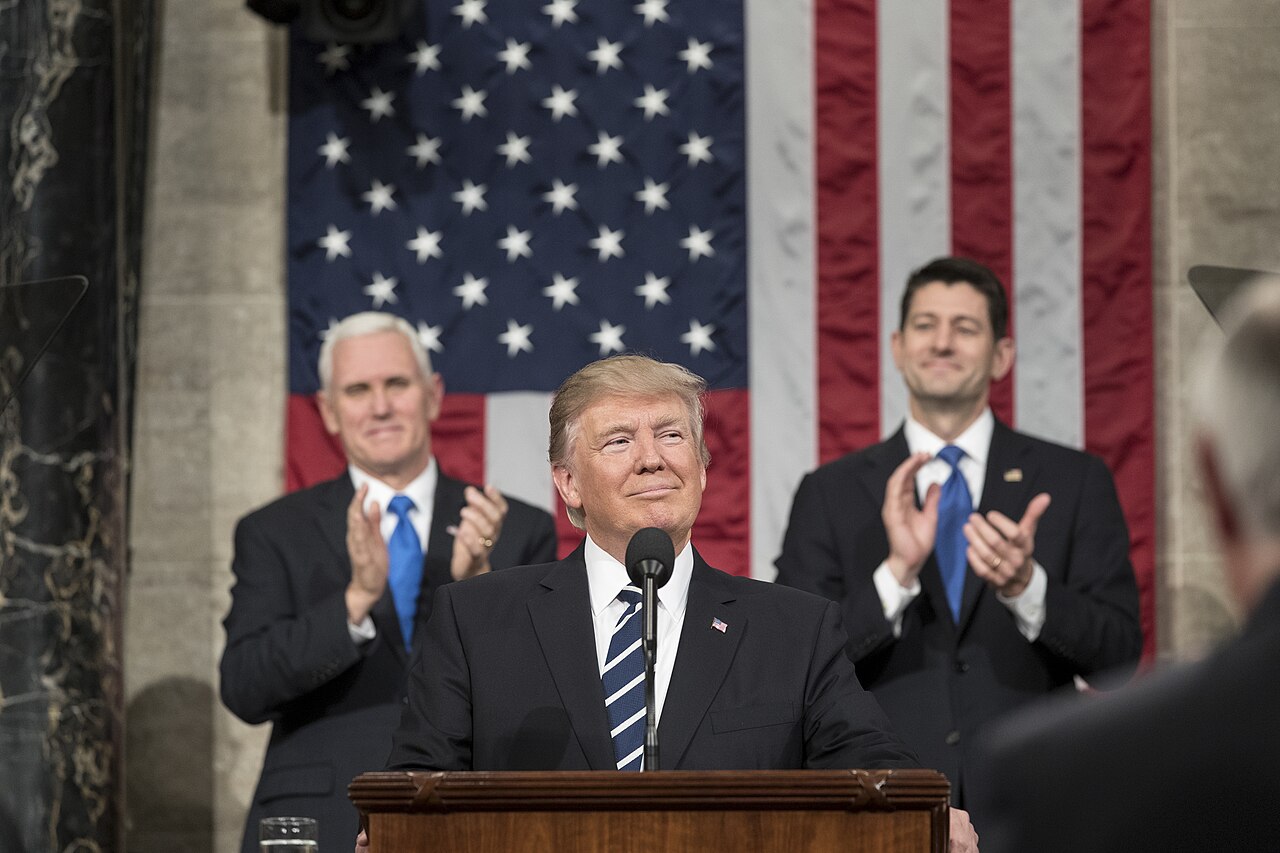
Trump Administration's Travel Restrictions Affect African Nationals The United States, under the Trump administration, implemented travel restrictions and bans affecting 36 countries, with 29 of these located in Africa. These policies, initiated in 2026, have significantly impacted individuals seeking legal entry to the U.S. for tourism, education, and professional engagements, leading to increased visa rejections and cancellations of planned visits.
The Department of Homeland Security cited national security concerns as the basis for these restrictions, aiming to prevent what it termed "foreign invaders." However, the policy has affected a broad spectrum of African professionals, including businesspeople, students, and artists. For instance, a Senegalese tech entrepreneur canceled his planned trip, and a rock band from Niger had to cancel a 55-show U.S. tour, resulting in an 80% loss of income. Individuals from restricted nations face higher rejection rates or requirements for bonds up to $15,000, while those from banned countries cannot enter at all.
Beyond travel, the Trump administration also suspended the approval of immigrant visas for individuals from 75 countries, impacting nearly 90% of African immigrant visa applicants, according to the Cato Institute. While the administration justified these measures by citing vetting difficulties and high overstay rates, critics, including South African President Cyril Ramaphosa, have suggested a "racist demeanor" underlies the policy. African immigrants in the U.S. have higher labor force participation and college education rates compared to other foreign-born groups, as per the Migration Policy Institute.