Dubai Airport Flights Halted After Drone Incident
Dubai Airport flights were temporarily suspended on March 16 after a drone incident caused a fire, highlighting escalating regional tensions.
Lauren Collins ·
Dubai International Airport (DXB) experienced a temporary suspension of air traffic on Monday, March 16, following a drone-related incident. The disruption occurred after a fire erupted near the airport premises, specifically impacting a fuel tank. Authorities in Dubai confirmed that the blaze was brought under control without any reported casualties.
Emirates airline, a major operator at DXB, acknowledged the temporary halt in its flight operations, affecting both arrivals and departures. This event marks another instance of drone activity impacting critical infrastructure within the Gulf region, which has seen an increase in such incidents since late February.
Regional Security Concerns Intensify
The incident at Dubai's airport unfolds against a backdrop of heightened regional tensions. Since February 28, the broader Middle East has witnessed a significant escalation in drone and missile attacks. These actions have targeted various sites across Gulf Arab nations, including essential infrastructure, diplomatic facilities, and military installations.
Over 2,000 such attacks have been documented across the region, indicating a persistent and widespread threat. The United Arab Emirates, which established diplomatic ties with Israel in 2020, has been among the countries frequently affected by these security challenges.
Impact on Gulf Infrastructure
The ongoing regional conflict has led to a broader targeting of key infrastructure assets throughout the Gulf. This includes not only airports but also oil facilities, seaports, hotels, and residential areas. The economic and logistical implications for these vital hubs are considerable, given their role in global trade and energy markets.
All Gulf Arab states have collectively condemned the actions attributed to Iran in connection with these hostilities. The repeated targeting of civilian and economic infrastructure underscores the volatile security environment and the potential for wider disruption across the Arabian Peninsula.
Economic and Geopolitical Implications
The temporary closure of a major international aviation hub like Dubai International Airport highlights the vulnerability of global transport networks to regional conflicts. Such disruptions can have ripple effects on international travel, cargo logistics, and investor confidence in the stability of the region.
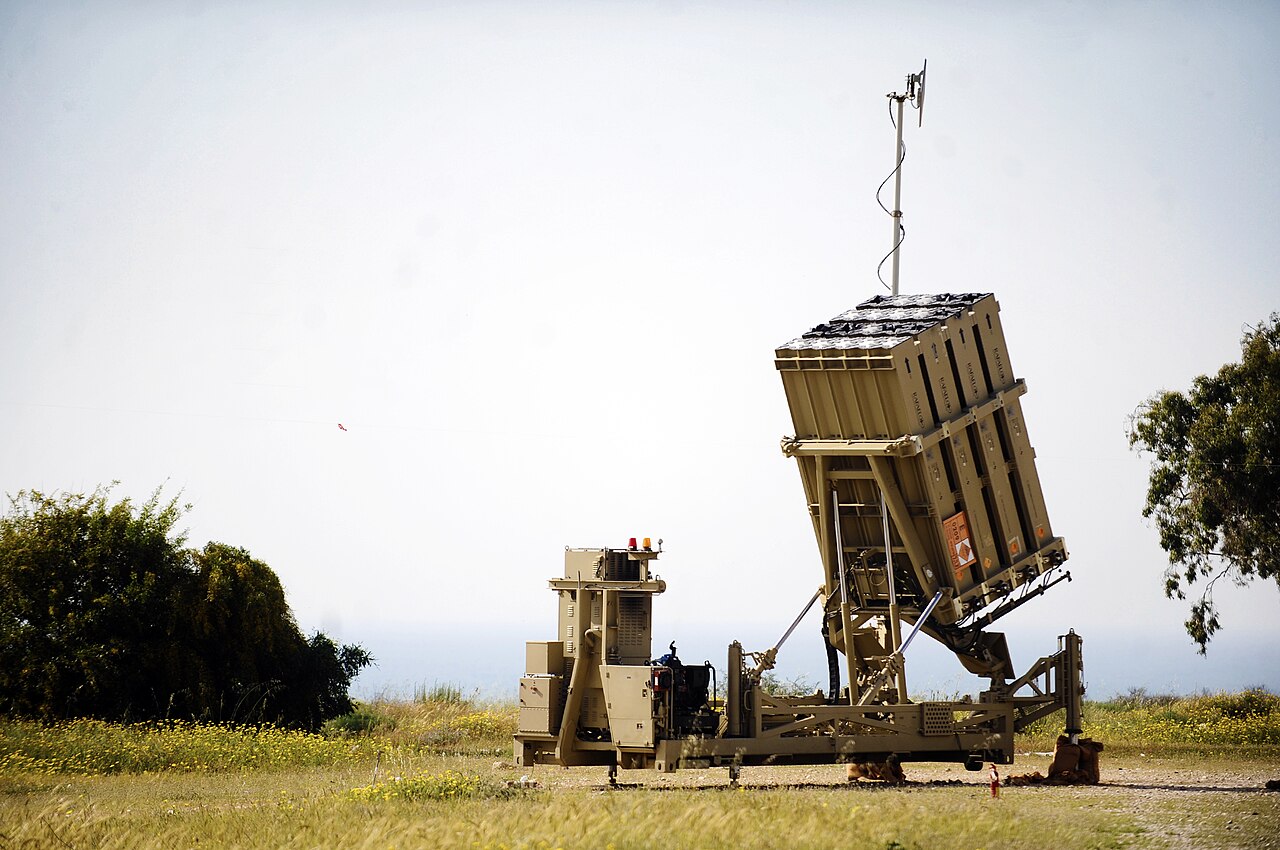
Governments and international bodies are closely monitoring the situation, as continued instability could impact oil prices, supply chains, and diplomatic efforts to de-escalate tensions. The incident reinforces the need for enhanced air defense systems and regional security cooperation to safeguard critical assets and ensure the continuity of global commerce.
Implications
Country Impact: The United Arab Emirates faces ongoing security challenges, particularly concerning its critical infrastructure. The incident at Dubai Airport underscores the vulnerability of key economic hubs to regional conflicts, potentially impacting tourism and foreign investment.
Industry Impact: The aviation industry, particularly airlines operating through Dubai International Airport, experiences direct operational disruptions and potential financial losses from flight suspensions. The broader energy sector also faces risks due to targeted attacks on fuel facilities.
Market Impact: Global markets may react to increased geopolitical risk in the Middle East, potentially leading to volatility in oil prices and impacting investor sentiment towards regional assets. Supply chains reliant on Gulf shipping and air routes could also face disruptions.