Trump Calls for Hormuz Reopening Amid Oil Price Rise
Former U.S. President Trump urged international naval deployment to the Strait of Hormuz to reopen it amid rising oil prices.
Lauren Collins ·
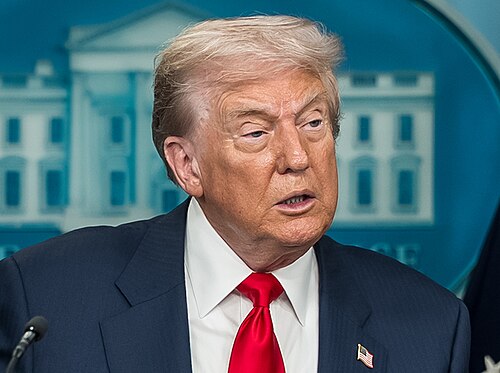
Former U.S. President Donald Trump recently advocated for an international naval deployment to the Strait of Hormuz. His statement, made on Saturday, called for global partners to send vessels to the strategic waterway, with the objective of pressuring Iran to facilitate its reopening. This proposal comes amidst increasing global oil prices and heightened regional instability.
Simultaneously, the U.S. State Department reissued a travel advisory for American citizens in Iraq. This advisory urged immediate departure from the country following an overnight incident where the U.S. Embassy in Baghdad sustained damage. The renewed warning highlights escalating security concerns for U.S. personnel and citizens within Iraq, directly correlating with broader regional tensions.
Strategic Importance of Hormuz
The Strait of Hormuz is a vital maritime chokepoint connecting the Persian Gulf to the open ocean. Approximately one-fifth of the world's total oil consumption, and a significant portion of global liquefied natural gas (LNG) shipments, transit through this narrow passage daily. Disruptions in the Strait can have immediate and substantial impacts on international energy markets and global trade.
Regional Geopolitical Context
The call for naval action and the updated travel warning are set against a backdrop of persistent geopolitical friction in the Middle East. Tensions between the United States and Iran have been a recurring feature of regional dynamics for decades, often manifesting in proxy conflicts and maritime incidents. The U.S. maintains a significant military presence in the region, including naval forces in the Persian Gulf, to safeguard international shipping and deter aggression.
Economic and Security Implications
Rising oil prices, a key concern cited by Trump, directly affect global economic stability. Any perceived threat to the flow of oil through the Strait of Hormuz typically triggers an immediate market reaction, leading to price volatility. The security situation in Iraq, particularly attacks on diplomatic facilities, underscores the complex challenges faced by international actors operating in the region and the potential for broader escalation.
International Response and Outlook
While the former President's statement outlines a specific approach, the implementation of such a strategy would require significant international coordination and diplomatic efforts. The U.S. has historically worked with allies to ensure freedom of navigation in critical waterways. Future developments will likely depend on the evolving security landscape in the Gulf, the trajectory of U.S.-Iran relations, and the responses of other international stakeholders to the proposed naval deployment.
Implications
Country Impact: The U.S. travel advisory for Iraq indicates heightened security risks for American citizens and personnel, reflecting ongoing instability in the country. Regional tensions could further destabilize Iraq's political and security environment.
Industry Impact: Disruptions or threats to the Strait of Hormuz directly impact the global energy industry, particularly oil and gas markets. Increased geopolitical risk in the region typically leads to higher crude oil prices and increased shipping insurance costs.
Market Impact: Global oil markets are highly sensitive to developments in the Strait of Hormuz, with any perceived threat potentially causing price spikes. Broader market sentiment could be affected by escalating geopolitical tensions in the Middle East, leading to increased risk aversion.